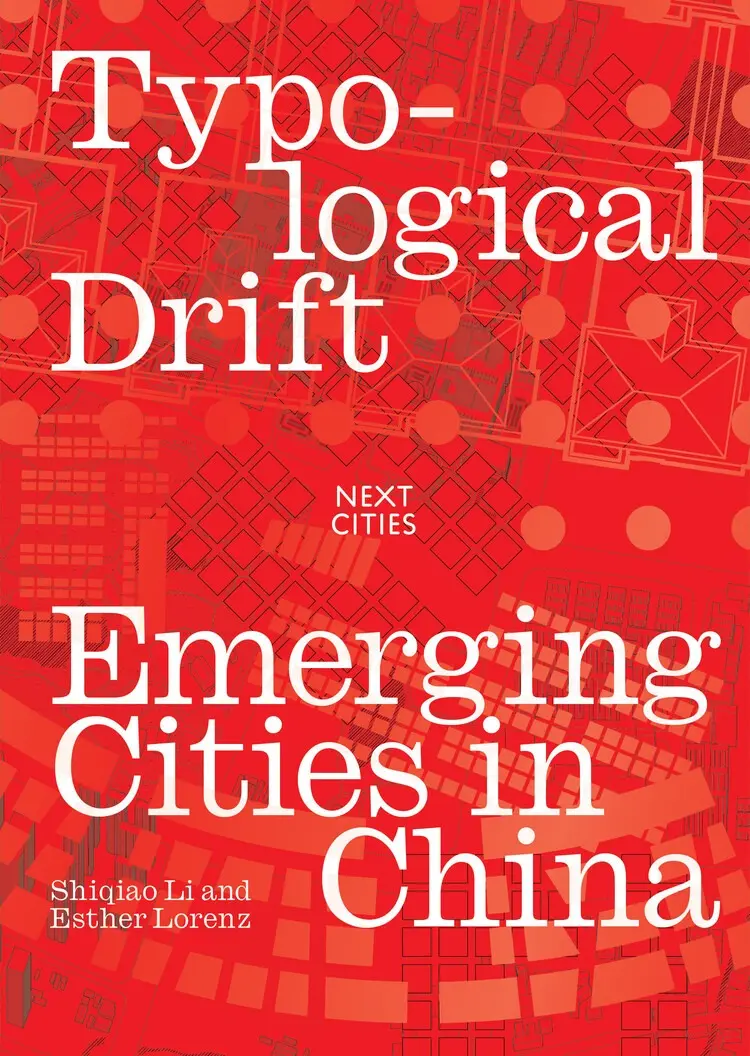
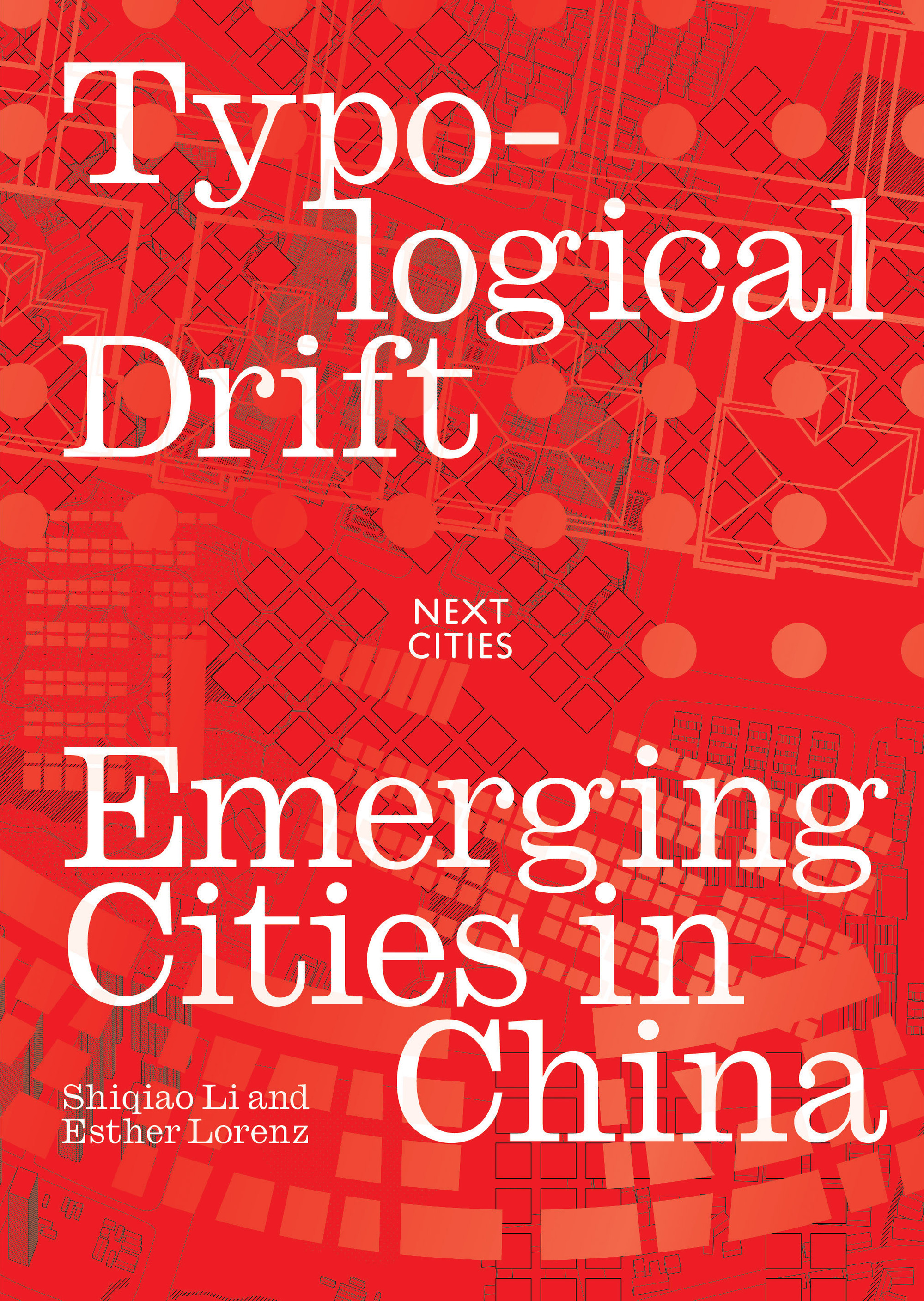
Published on October 15, 2026, a comprehensive new publication titled Typological Drift: Emerging Cities in China documents the profound impact of Chinese culture on the development of city types over the past four decades, charting surprising urban realities that frequently evade normative urban theories. Authored by Shiqiao Li and Esther Lorenz, the book is the culmination of a decade of meticulous research conducted across two of China’s most dynamic and expansive city-regions: the Pearl River Delta and the Yangtze River Delta. By examining these rapidly transforming urban landscapes, the authors offer fresh analytical frameworks for understanding China’s contemporary urban realities from within the internal logic of Chinese thought and language.
At the core of the publication is the concept of "drift," a term that parallels one of the four rudimentary patterns of biological change alongside mutation, adaptation, and migration. In evolutionary biology, the drift of phenotypes occurs when chance events randomly terminate certain features while allowing other traits to flourish in ways entirely unrelated to other evolutionary patterns. Over the past forty years, Chinese culture has exerted a complex set of forces that can be understood as functioning akin to "unexpected events" within the normative, predictable processes of standard urban change.
To frame this phenomenon both theoretically and through empirical examination, the book identifies three primary "drift triggers": the ten thousand things, figuration, and group action. These distinct conceptual drivers help explain how unconventional urban morphology has taken root. The volume ultimately concludes with a deep reflection on the current state of China’s architectural profession, which has served directly on the frontline of the nation’s historic wave of urbanization. Through thirteen detailed case studies, the book reveals how a thing-based conception of quantity, an unwavering enthusiasm for figuration, and an innate instinct for collective group action have collectively given rise to distinctive and unprecedented Chinese urban formations.
The depth of the research is underscored by extensive photographic documentation alongside more than 60 original maps and technical drawings. Notably, many of these visual assets chart places that have never been mapped or drawn before. Each of the thirteen case studies is unpacked through a dedicated essay that frames the development within specific aspects of Chinese culture. To provide broader context, these local explorations are deliberately set against how the same spatial conditions would typically be understood, conceptualized, and constructed within European and American cultural traditions.
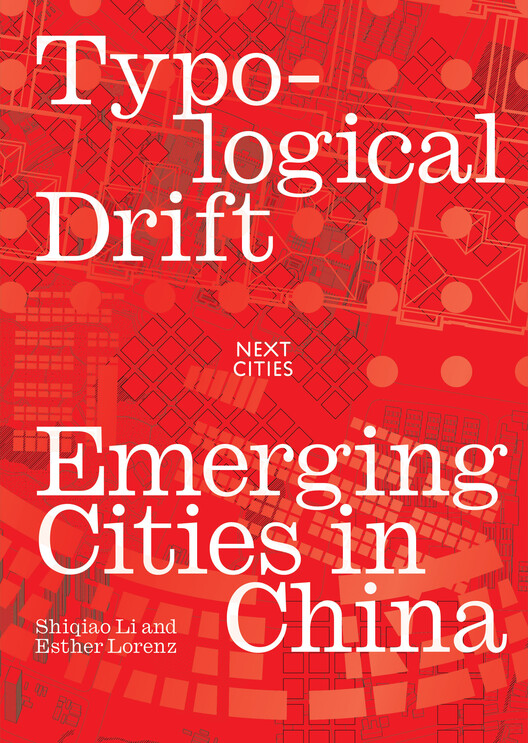
Following each explanatory essay, the book introduces a dedicated "typology page" designed to visually display important parallel or contrasting examples side by side. Original axonometric drawings and detailed photographic documentation further expand upon the unique architectural and spatial features characterizing each case study. At a contemporary historical moment when globalization frequently perpetuates extreme forms of spatial sameness and cultural fundamentalism, this book seeks to recalibrate cultural understanding in the field of urbanism. By making both Chinese and Western urban principles simultaneously feel "indigenous," the publication injects a much stronger sense of critical reflexivity into the discipline.
Crucially, this comparative framework is executed not in a spirit of simply relativizing cultural practices in city-making, but rather in pursuit of a genuine dialogue "in-between" different urban traditions, actively suspending their divergence in a state of productive tension.