When a gardener recently reached out with a dilemma concerning two identical shrubs growing on opposite sides of a property, the situation highlighted a common misconception in landscape maintenance. Although the plants were the exact same species and cultivar and grew under similar environmental conditions, one was thriving while the other was clearly struggling. Convinced that a drastic solution was the answer, the gardener assumed that a hard cutback of the sick-looking specimen would instantly resolve all of his problems.
That inquiry touches on a broader question frequently faced by horticulturists and landscape designers: When is extreme pruning an appropriate remedy, and when is it a mistake? While renewal pruning, also frequently referred to as rejuvenation pruning, offers numerous benefits for woody plants, "it just looks sick" is never a valid justification for the technique. As with any corrective horticultural work, diagnosing the underlying cause of a plant’s decline must always serve as the first step toward formulating a proper solution. Not every plant will respond favorably to an extreme makeover, particularly if the specimen is suffering from an underlying pathology, root damage, or an unresolved pest infestation.
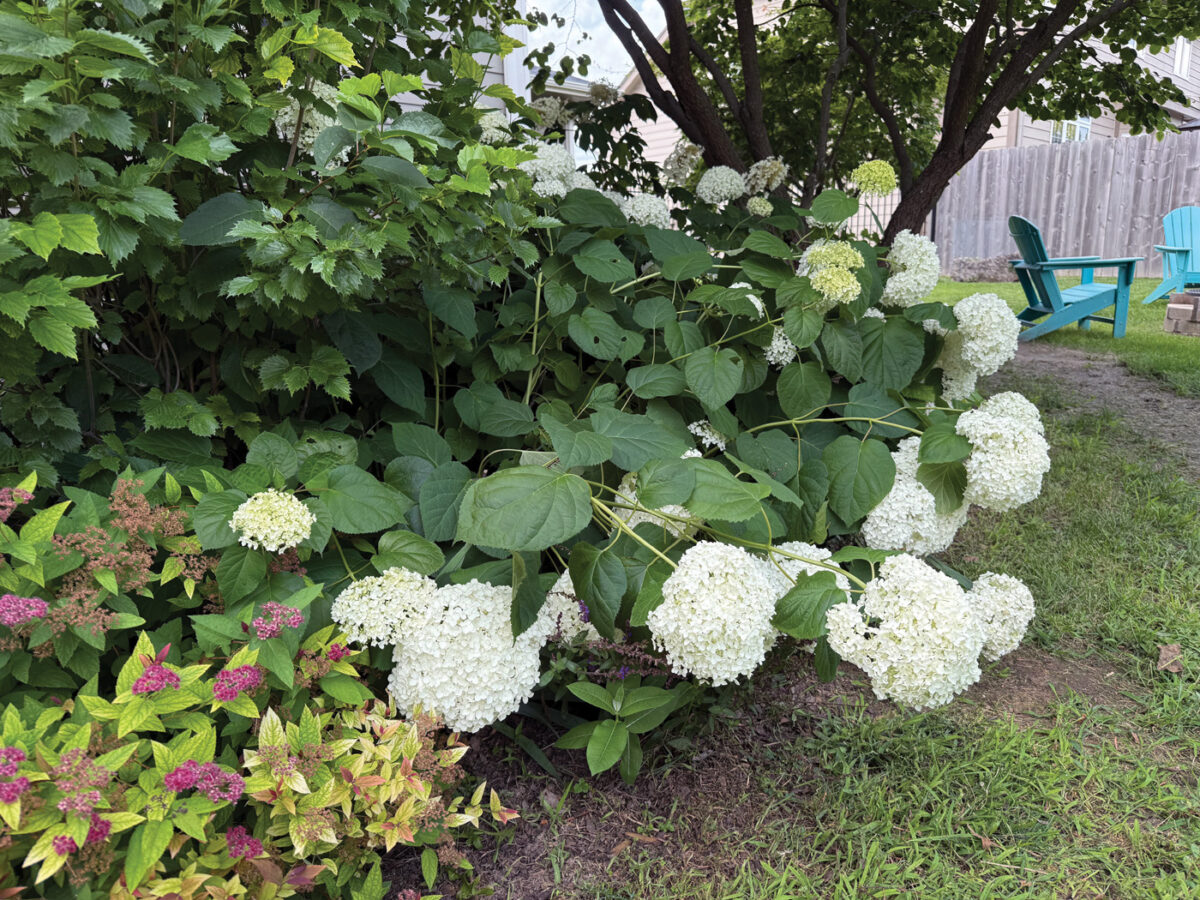
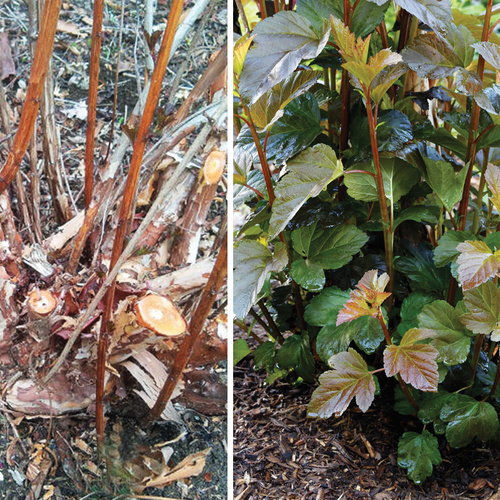
Nevertheless, renewal pruning remains an exceptionally useful tool for those who understand the mechanics of when and why to apply it. Rejuvenation generally yields the best results when performed on established, multi-stem, woody plants that naturally respond to severe cutbacks by pushing out vigorous new growth from dormant buds residing on remaining stems or directly from the root system. The ultimate objective is frequently to encourage the plant to regenerate a healthier, more visually appealing, or more appropriately sized canopy. This intensive work is typically scheduled for late winter, a period when the plant is fully dormant and possesses the highest stored energy reserves of any point in the year. Whether property owners are considering renewal pruning as a routine component of a long-term management strategy or deploying it strictly as a corrective measure, examining the mechanics, motivations, and appropriate plant candidates is essential for success.
Renewal Pruning As Regular Maintenance
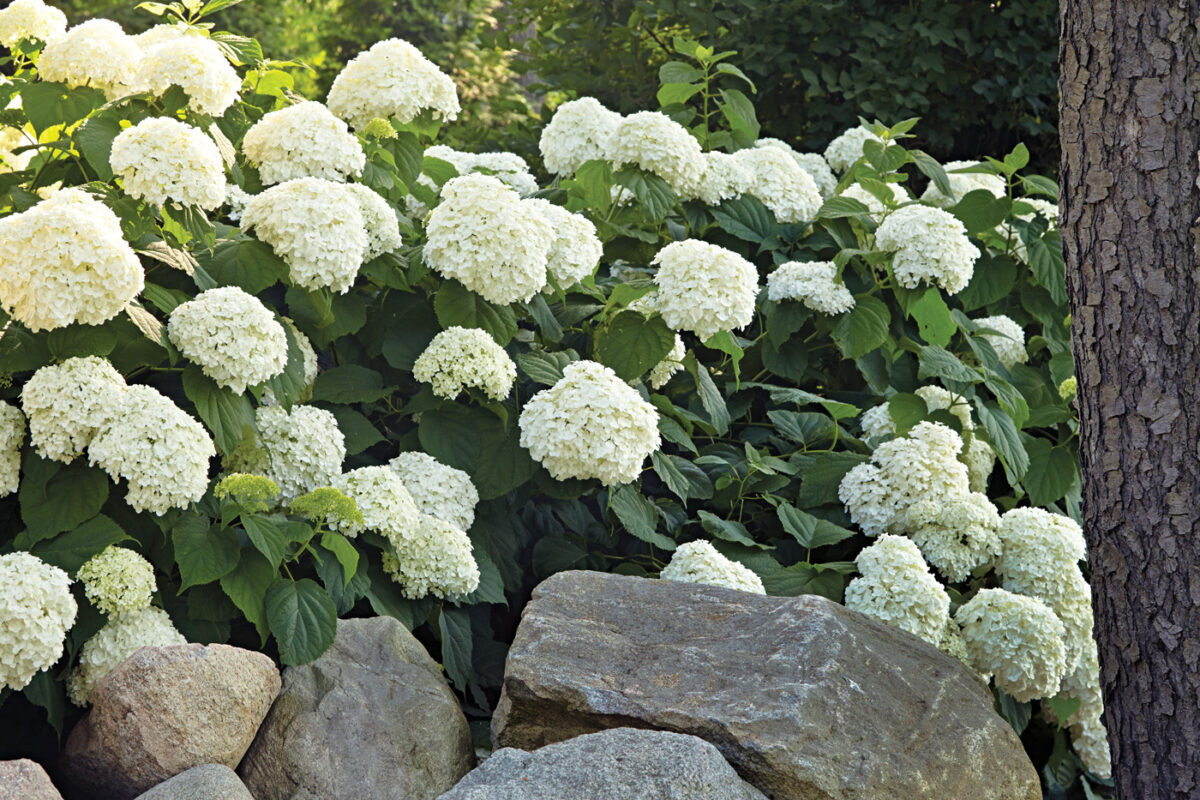
For landscapes with limited space or for gardeners looking to maximize the visual impact of fast-growing shrubs, executing a hard cutback every year or two can effectively serve as a seasonal reset. In general, vigorous shrubs characterized by a suckering growth habit can take regularly scheduled renewal pruning entirely in stride.
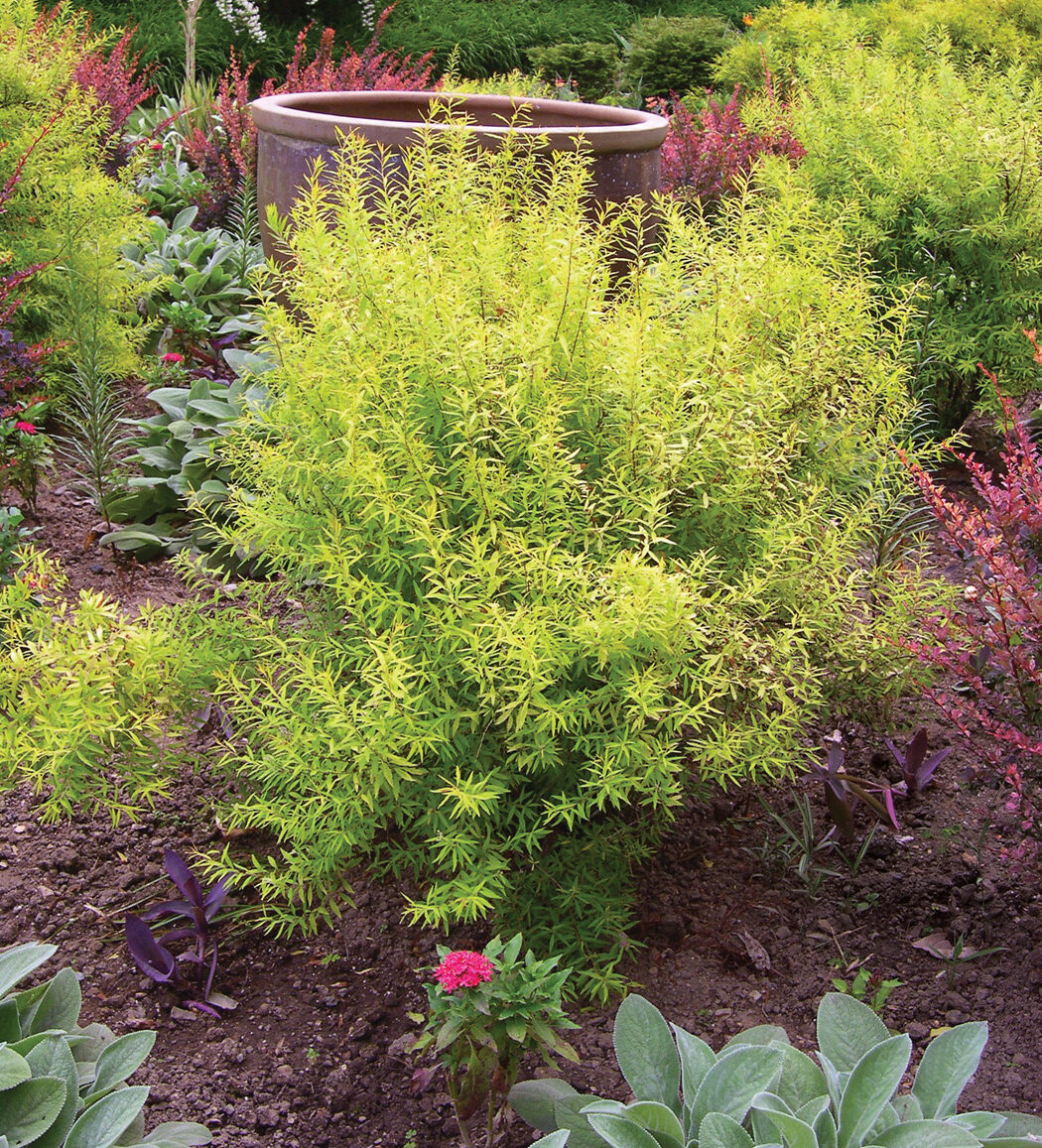
Certain species simply perform better as landscape specimens when cut directly to the ground on an annual or biannual basis. For instance, many professional gardeners provide their smokebushes with a heavy haircut during late winter to encourage a vibrant display of brilliant new foliage the following season. While plants subjected to such rigorous annual pruning will generally forgo flowering, the compensation comes in the form of larger, significantly more colorful leaves that emerge closer to eye level, avoiding the rangy, sparse growth habit typical of mature specimens left to grow unchecked.
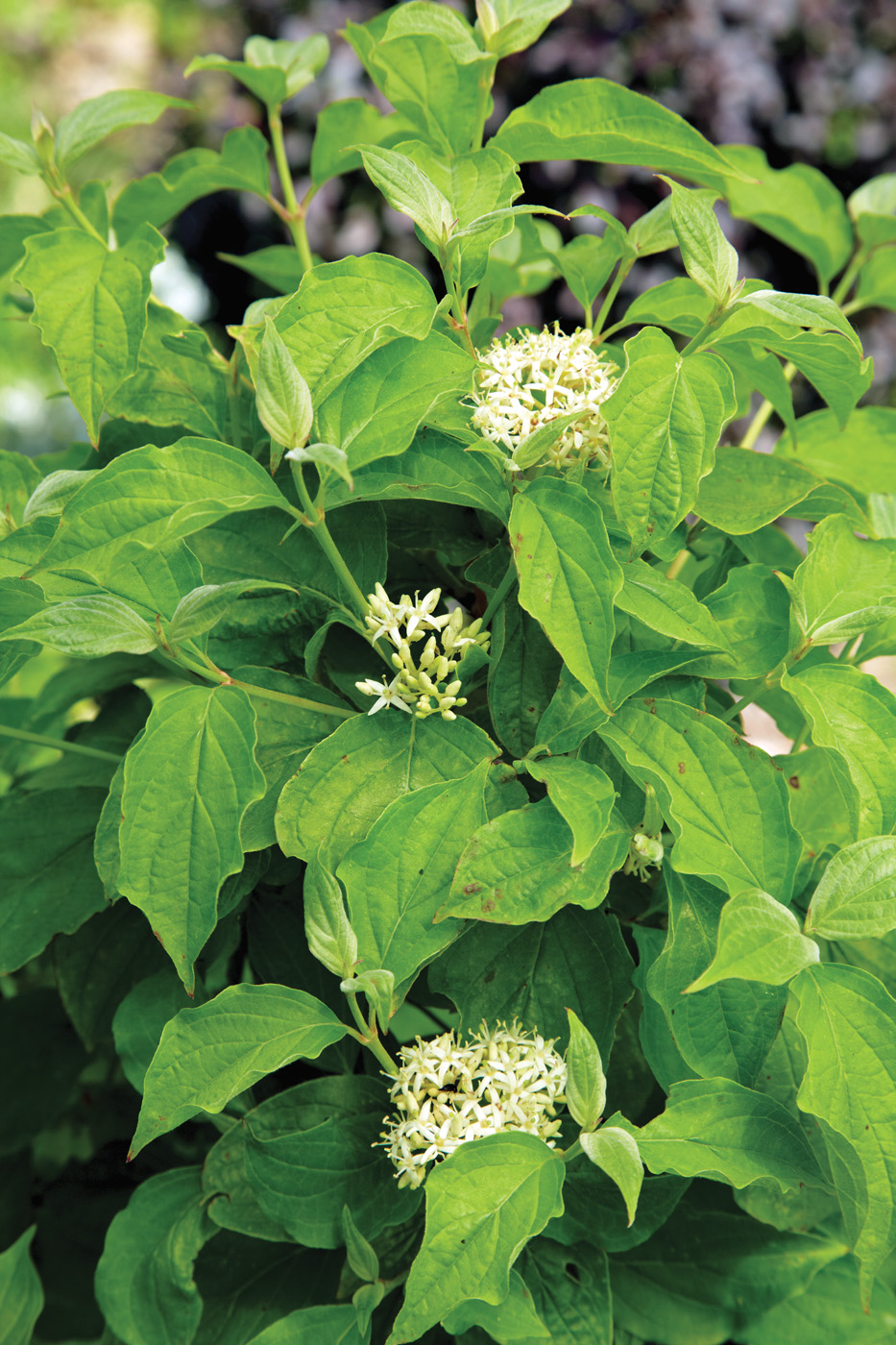
Similarly, ‘Ogon’ spirea stands out as an early-spring-blooming favorite known for its delicate white flowers and fluffy chartreuse summer foliage. Older plants of this cultivar often have a natural tendency to sprawl and become leggy. Because standard winter renewal pruning would inadvertently remove the flower buds that form on the previous season’s wood, an alternative approach is often required. Many horticulturists prefer to let the shrub bloom through early spring, then cut it hard to the ground as soon as the flowers fade. This harsh treatment is rewarded with dense, vigorous growth that maintains an attractive appearance all summer, while the plant still manages to set next year’s flower buds by autumn. The frequency of this major spring chop depends largely on personal preference, spatial constraints, or surrounding landscape adjustments.
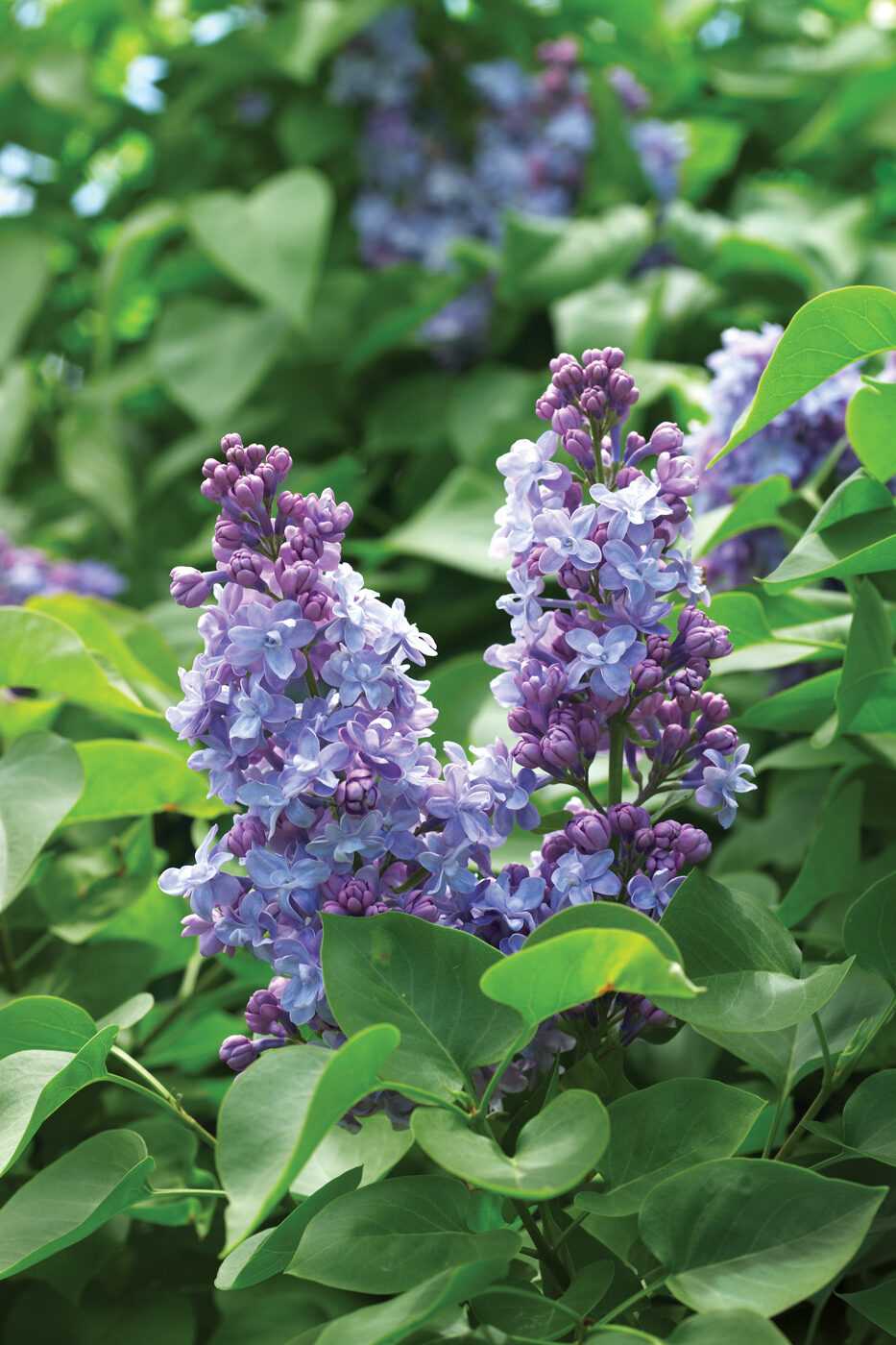
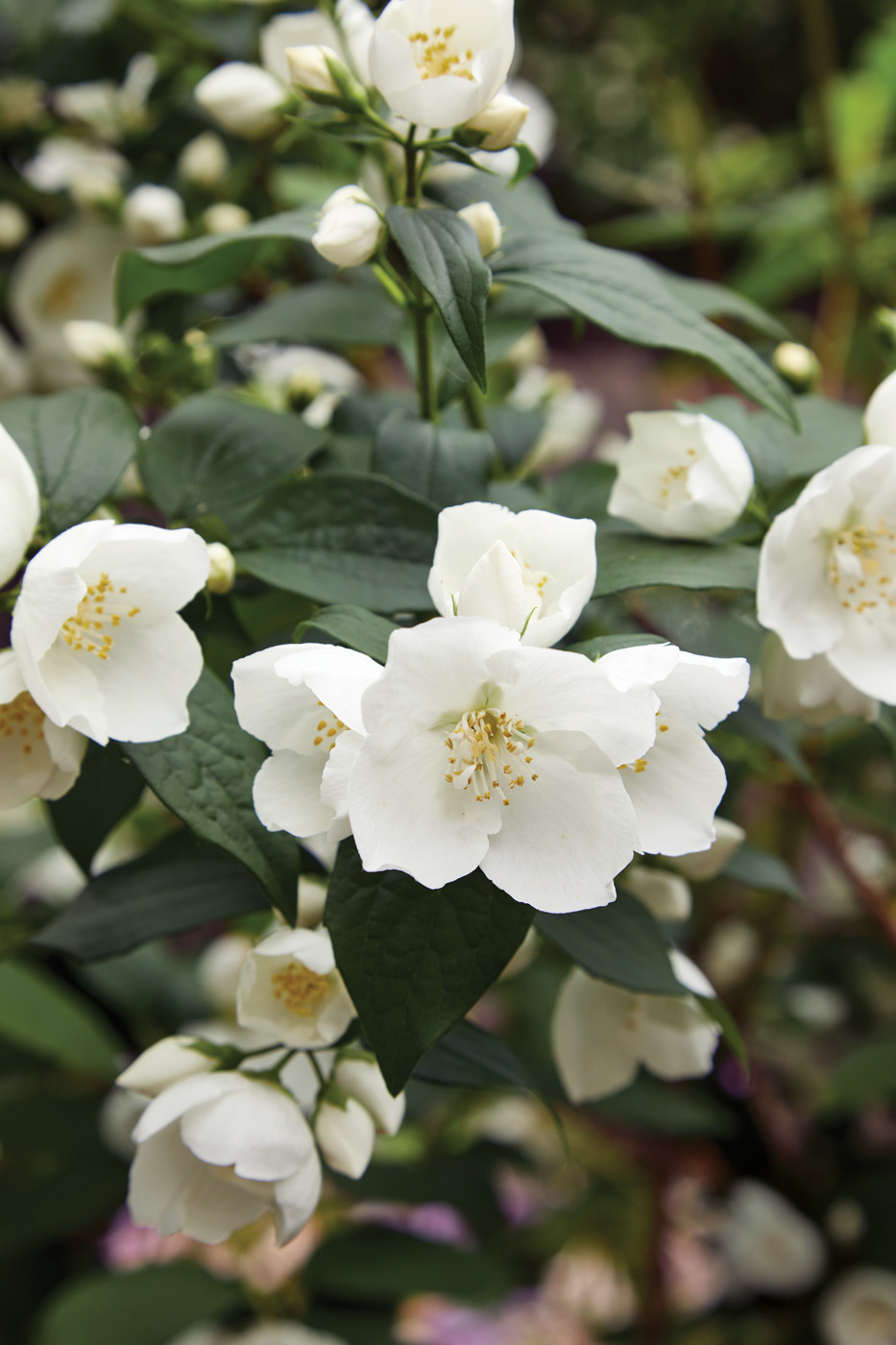
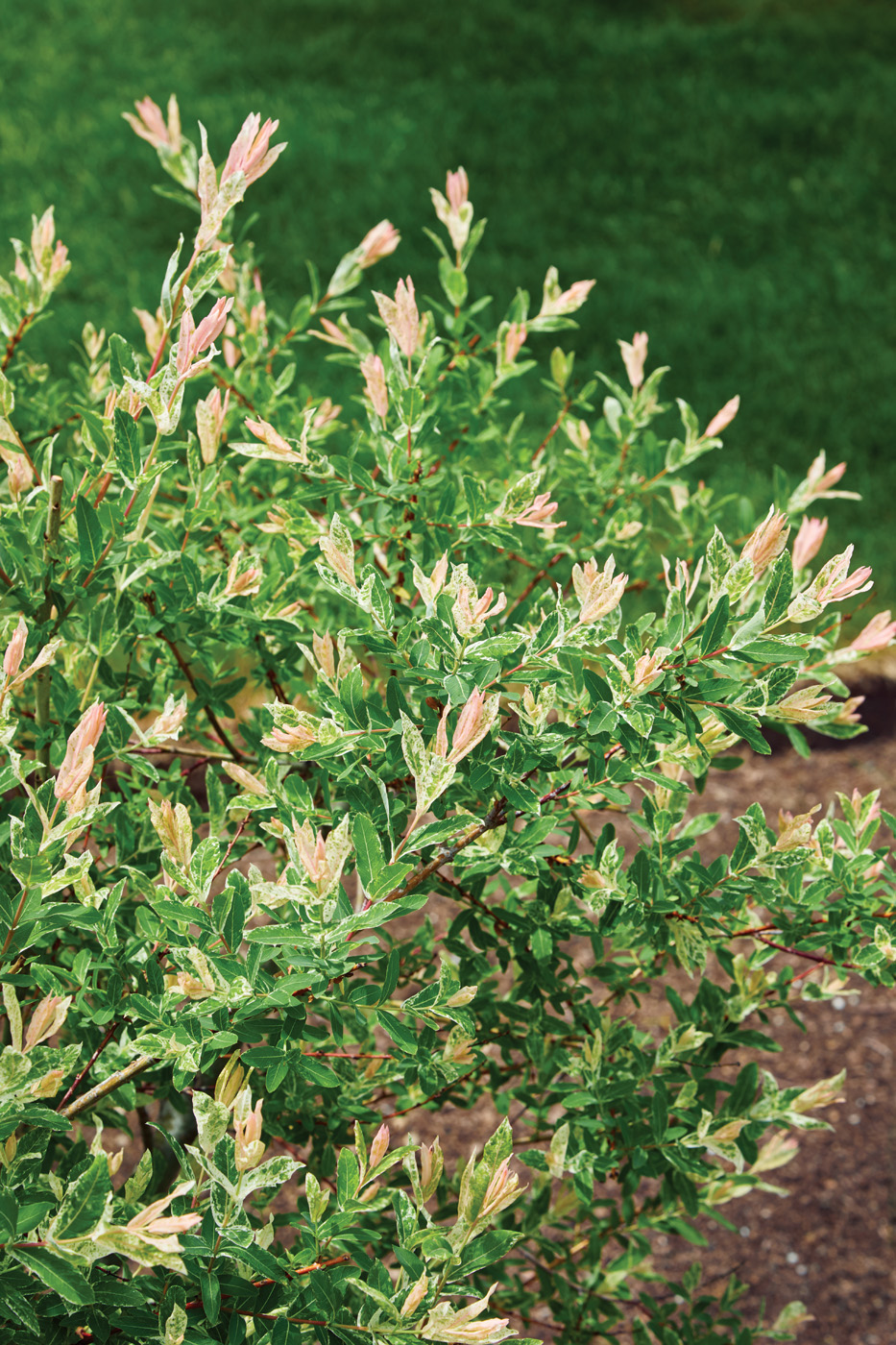
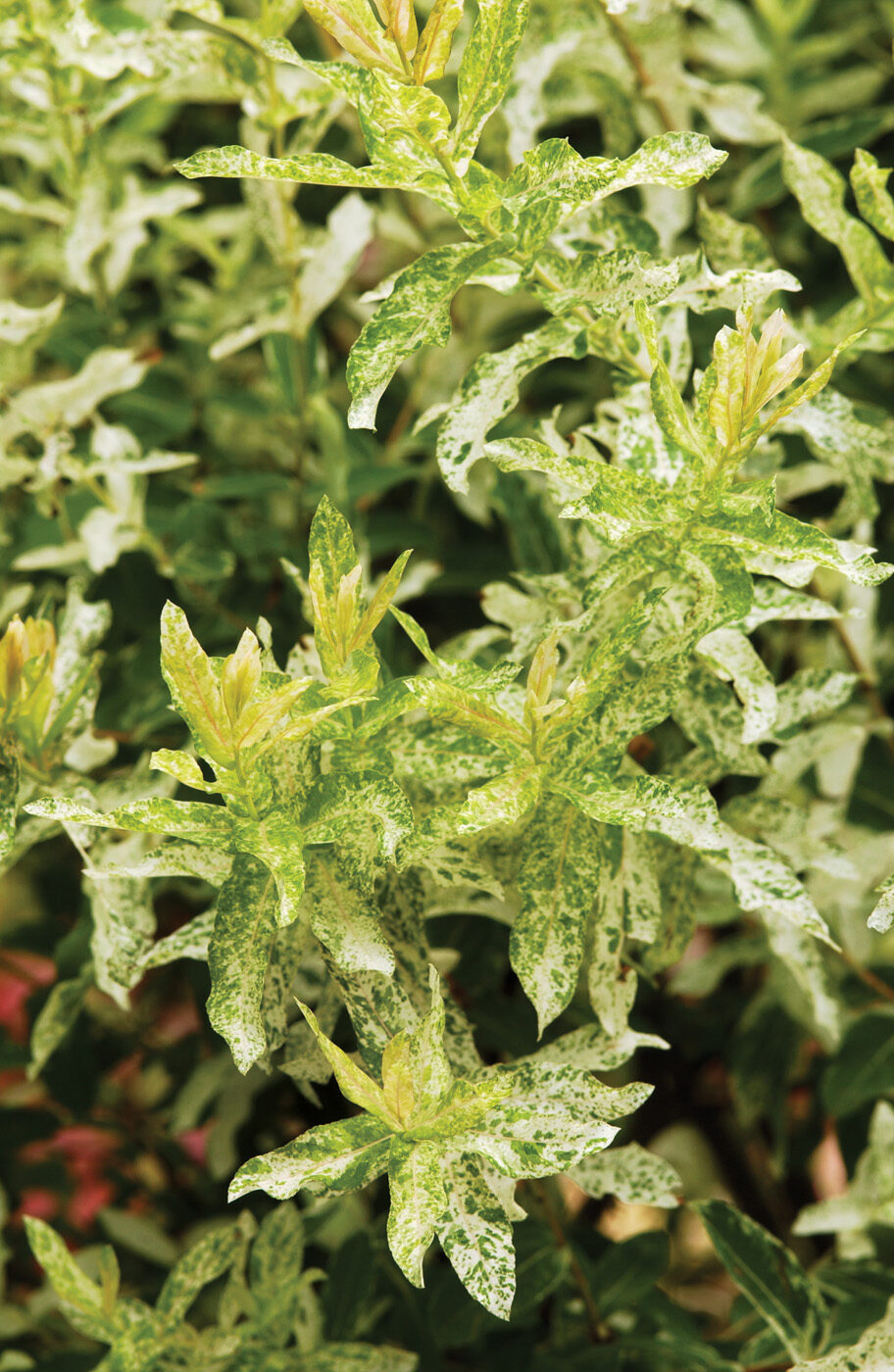
For dedicated plant collectors operating within the confines of a modest residential garden, renewal pruning can provide the necessary spatial accommodation to fit in additional specimens. For example, vigorous cultivars like the ‘Hartlage Wine’ sweetshrub naturally expand to reach heights and widths of up to 12 feet, dimensions that many home gardens cannot accommodate. By cutting the plant down to the ground annually after it completes its early-summer flowering cycle, the gardener can constrain its size while still enjoying its seasonal performance. By the end of the growing season, the plant routinely pushes out three- to four-foot-tall shoots equipped with next year’s flower buds, establishing a functional equilibrium that makes growing large-scale shrubs manageable in tight quarters. Other popular species that handle regular renewal pruning effectively include red osier dogwood, common lilac, mock orange, and dappled willow.
Renewal Pruning As a Corrective Measure
Older shrubs occasionally become long in the tooth and experience a noticeable decline in vigor. For gardeners contemplating a hard reset on an overgrown, neglected, or improperly pruned shrub, timing is critical. Deciduous plants should generally be pruned while dormant, whereas evergreens are best addressed in mid-spring, once the risk of frost has passed and the plant has entered a phase of active growth.
Any professional who has maintained a formally sheared hedge recognizes the classic signs of structural decline: empty centers, a lack of side growth, and only a thin veneer of living foliage remaining at the very top. Shrubs that are continuously sheared into strict vertical walls are far more susceptible to this hollowed-out aesthetic than those maintained with a natural, tapered profile that is wider at the base and narrower at the crown.
Before committing to a rejuvenation strategy on a tired, worn-out shrub, it is vital to confirm that the specimen retains the biological capacity to sprout new growth from internal, older wood. Yews and certain rhododendrons frequently prove to be exceptional candidates for judicious renewal pruning, whereas most coniferous evergreens lack this capability and will not recover from severe cutting.
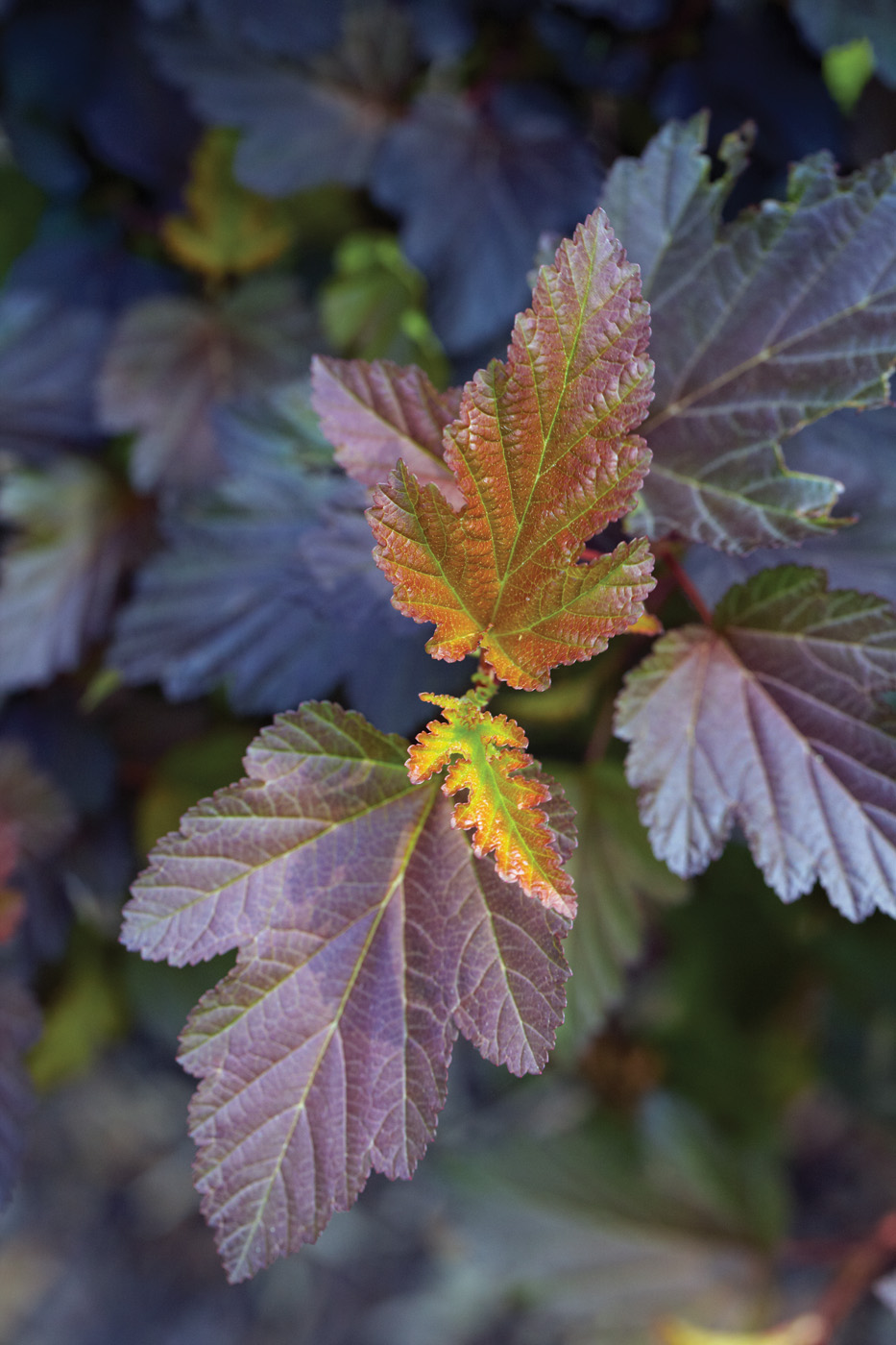
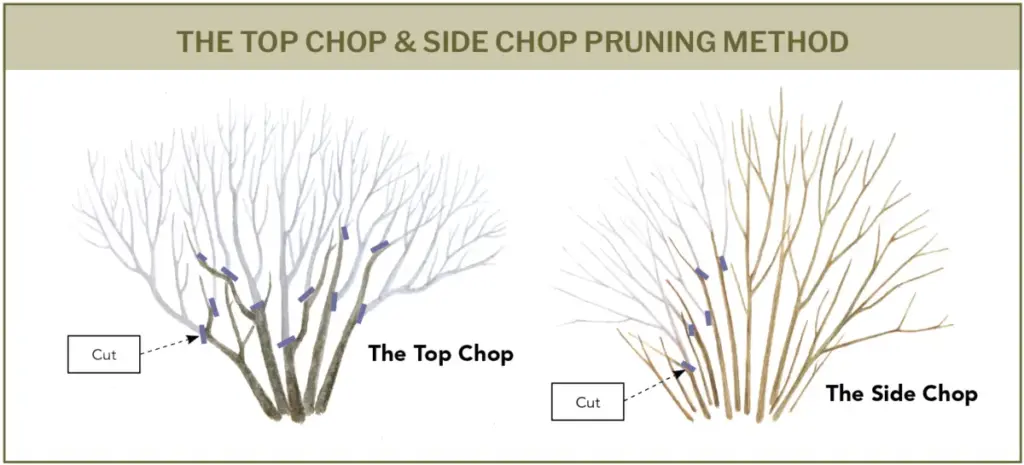
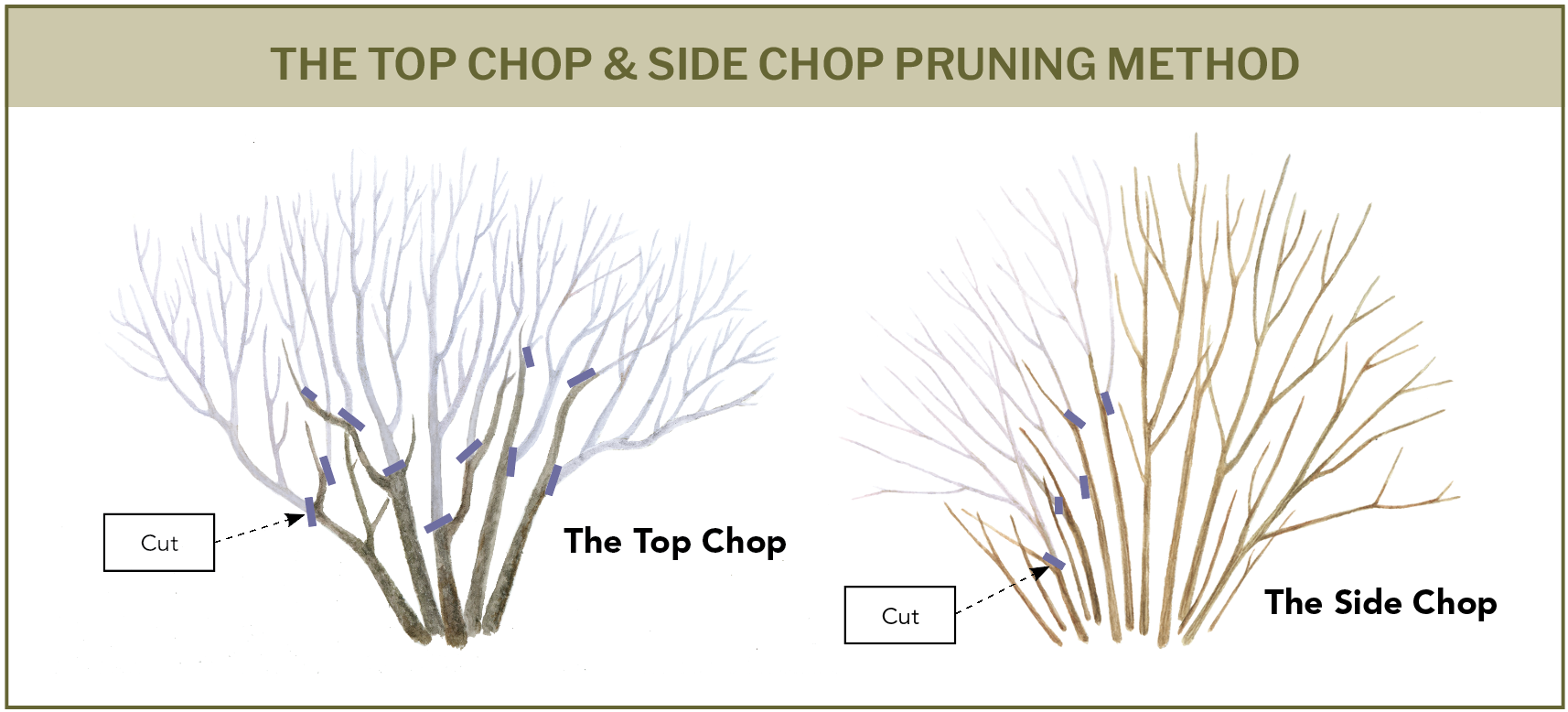
While the immediate visual aftermath of heavy pruning can appear stark, the interventions often succeed in revitalizing aging specimens. One primary approach involves the top chop, wherein a gardener cuts away a substantial portion of the shrub’s upper canopy to directly expose the bare interior to sunlight. Provided the root system and lower framework remain healthy, the influx of light stimulates dormant interior buds, leading to a much fuller and more balanced plant structure within a few years.
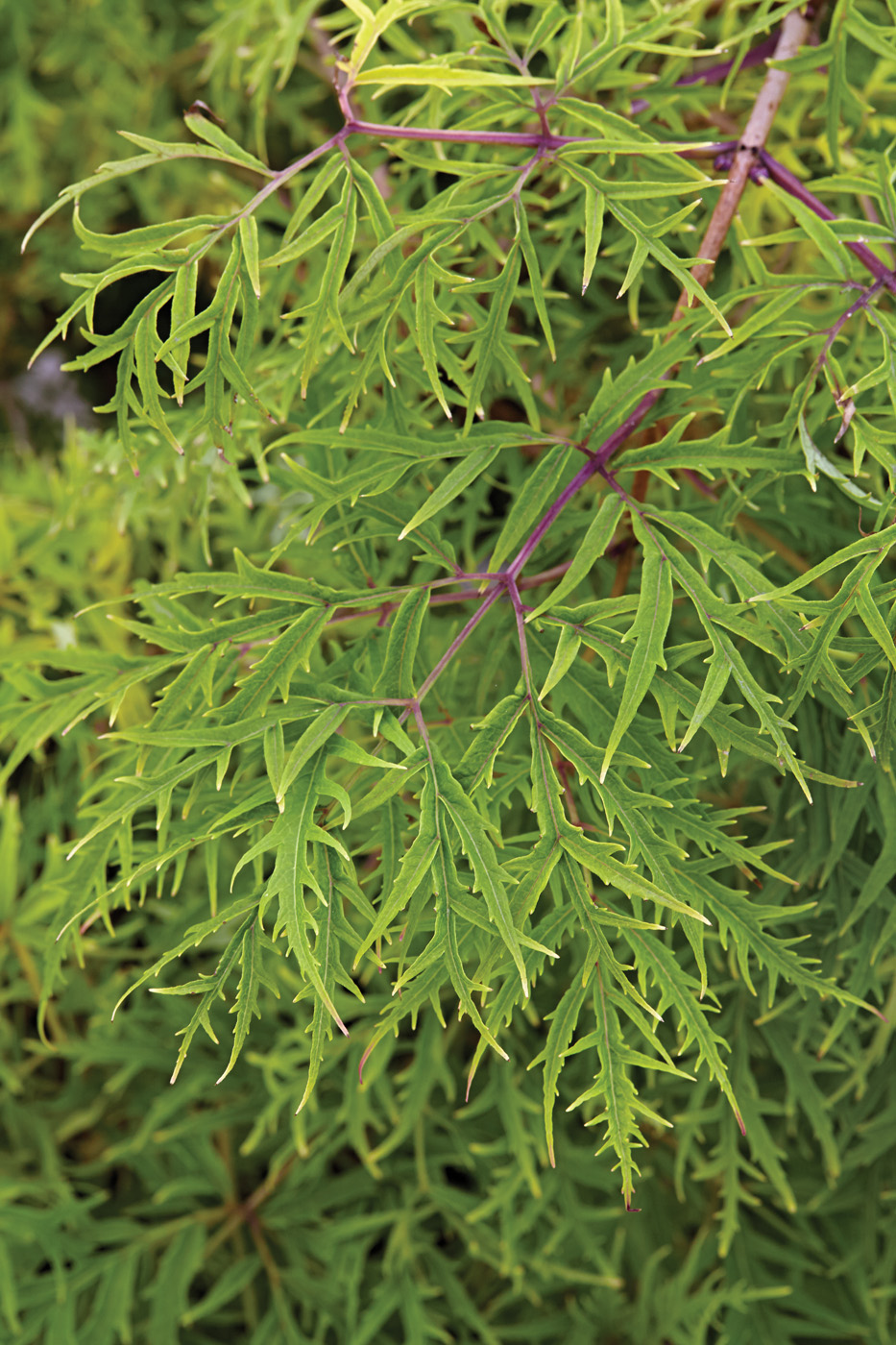
Alternatively, gardeners can utilize a side chop technique. Rather than removing the top all at once, this method addresses the problem one side at a time. Trimming the upper branches on a single flank stimulates internal growth similarly to a top chop, but it allows for a gradual reshaping of the plant over multiple seasons. This phased approach is particularly valuable for prominent specimens or hedges utilized for visual screening. Attempting to cut both sides hard in a single growing season places excessive stress on the plant; leaving the top and one intact side untouched provides the necessary green foliage to fuel the recovery process. Robust growers that tolerate heavy cuts on old wood, such as ninebark, elderberry, holly, and willow, are prime candidates for these top and side chop methods.
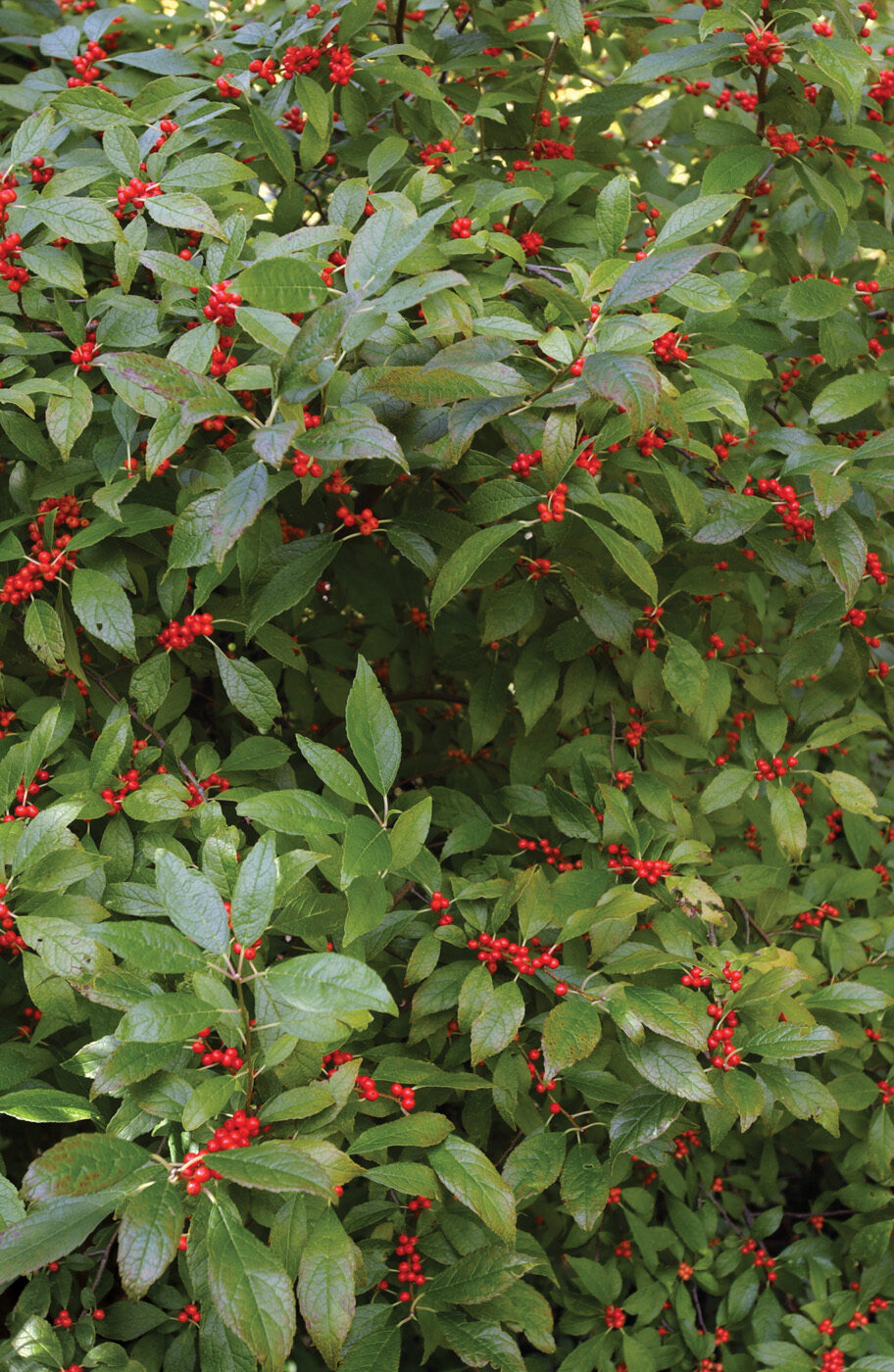
For those seeking a gentler transition away from formal shearing or severe hedging, the selective snip offers a middle ground. By putting away hedge shears and utilizing hand pruners to remove selected branches entirely back to their point of origin deep within the canopy, the gardener effectively creates light penetration holes through the dense foliage shell. Removing roughly one-third of the oldest and largest mature branches over the course of three or more years is a conservative method of restoring vitality to shrubs that might struggle with a sudden, drastic cutback. Species such as shrub roses, abelia, mahonia, ribes, camellia, hebe, and multi-stem magnolias often respond well to this gradual rejuvenation process.
Regardless of whether a gardener is cutting a lilac to the ground, executing a top chop, or selectively thinning a hedge over several seasons, proper timing remains paramount. Executing these intensive pruning techniques during the plant’s dormant off-season ensures that stored energy reserves are fully mobilized to support a vigorous and complete recovery.