When it comes to backyard structures, the secret to a long-lasting and resilient garden shed lies entirely beneath the floorboards. Recognizing that a sturdy and level base is paramount for any successful outdoor building project, Outdoor Living Today has rolled out a comprehensive advisory outlining best practices for shed foundation preparation. Designed to eliminate the confusion and guesswork often associated with DIY construction, the initiative aims to guide property owners—ranging from seasoned contractors to first-time builders—through the critical preliminary phases of installation.
A proper foundation prevents structural shifting, door misalignment, and premature wear, ensuring that a backyard investment withstands the elements for years to come. According to the outdoor building specialists, achieving this durability begins long before the shed kit ever arrives on a homeowner’s property. The preparation process starts with meticulous site selection and clearing, setting the stage for a stable installation.
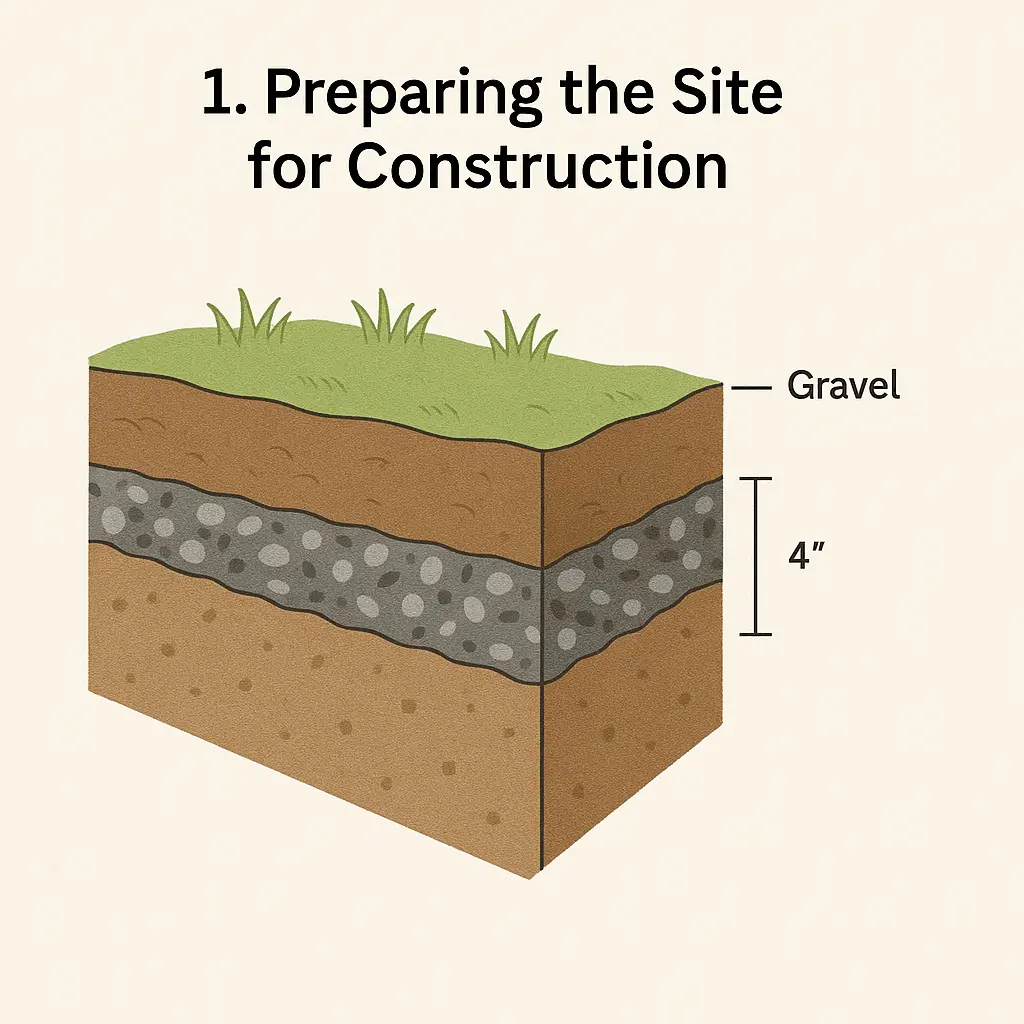
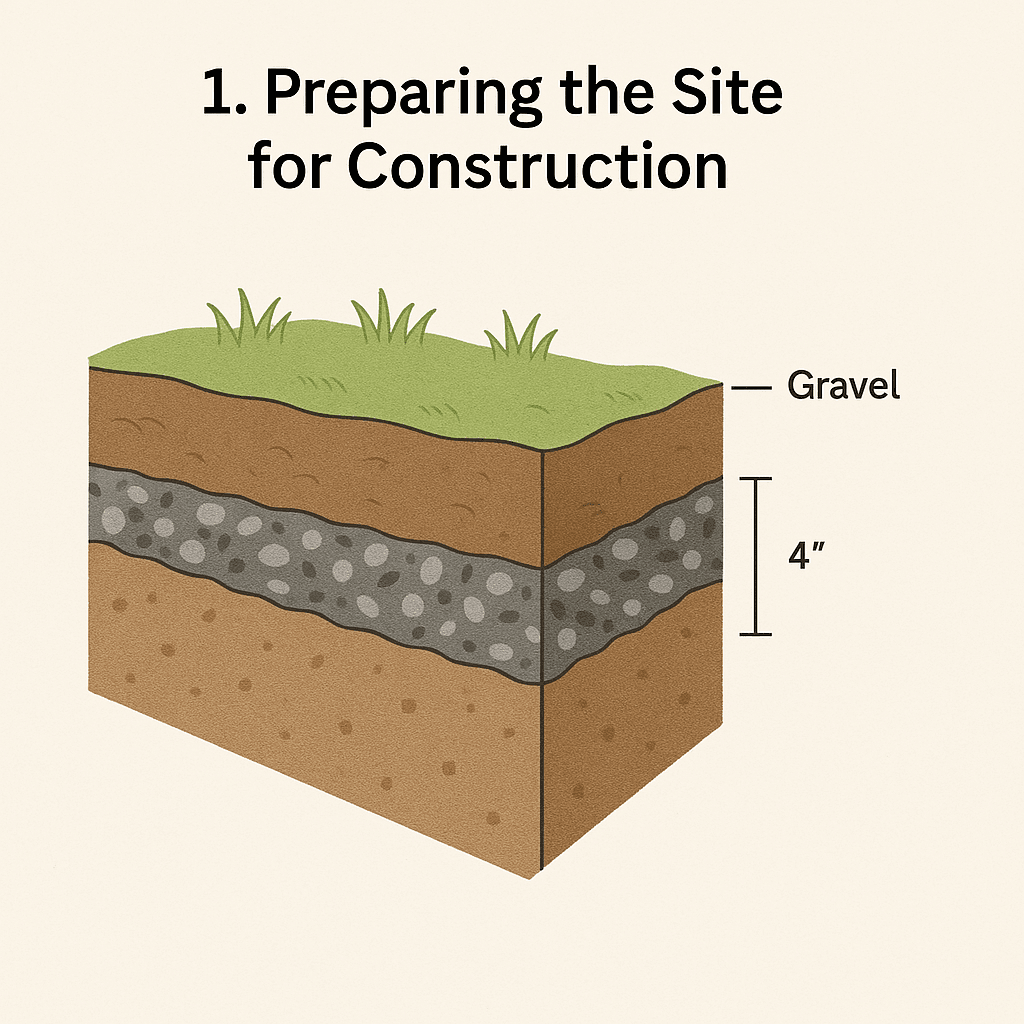
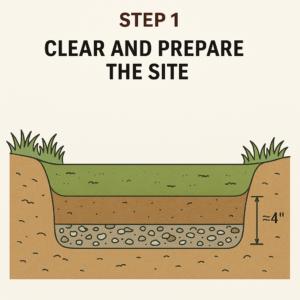
The first major phase in the construction process involves clearing and preparing the designated site. Builders are advised to thoroughly clear the area of all vegetation, topsoil, and debris. Because organic matter decomposes over time and causes settling, removing the top layer of earth is essential for establishing a firm sub-grade. Once the topsoil is removed, the area should be leveled as much as possible and filled with a compactable sub-base material, such as crushed gravel or stone, which is then firmly tamped down. To enhance the longevity of the site preparation, experts recommend laying a professional-grade landscape fabric underneath the gravel layer. This simple addition serves a dual purpose: it suppresses unwanted weed growth from pushing up through the floor and prevents surrounding soil from shifting into the stone over time, maintaining the structural integrity of the base.
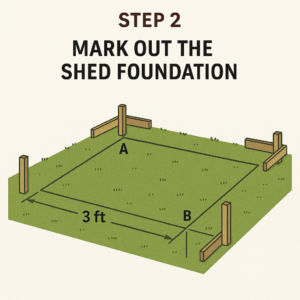
Following site preparation, the second critical phase focuses on accurately marking out the perimeter of the shed foundation. Precision at this stage is vital to ensure that the final structure is square, which directly influences how smoothly walls and roofs fit together during assembly. Builders must measure diagonals carefully to confirm that opposite corners are equal in length, a geometric check that guarantees right angles. For those who find manual squaring challenging, modern technology offers accessible solutions. A variety of mobile applications and online calculators are readily available to assist builders in verifying right angles using specific shed dimensions, reducing the margin for error.
Once the layout is accurately measured and marked, builders face the decision of selecting the most appropriate foundation type for their specific needs, property layout, and budget. Outdoor Living Today highlights three primary foundation options, each offering distinct advantages for backyard projects.
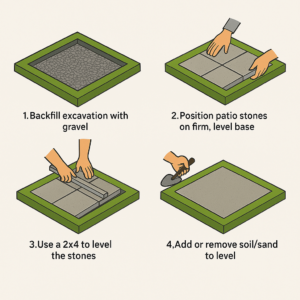
The first option is the patio stone foundation. Highly favored for its simplicity and cost-effectiveness, a patio stone base involves laying a grid of flat pavers over a leveled gravel bed. This approach is particularly appealing because it is quick to install, budget-friendly, and forgiving, allowing for adjustments or relocation if necessary in the future.
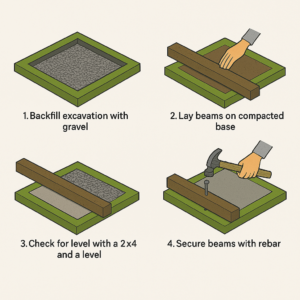
The second recommended approach utilizes four-by-four pressure-treated wooden beams. This method involves laying heavy-duty treated timbers across a prepared gravel or earth bed to create a raised wooden grid. Beyond providing a stable and level platform for the shed floor frame, a beam foundation offers a distinct structural benefit by elevating the building slightly off the ground. This elevation leaves adequate room underneath for vital air circulation, which helps prevent moisture accumulation and subsequent wood rot over time.
The third and most permanent alternative is a poured concrete slab foundation. Representing the pinnacle of structural durability, a concrete pad offers unmatched sturdiness, longevity, and complete resistance to pests and moisture. While it requires more intensive labor and curing time during installation, a concrete slab provides a rock-solid, flush-to-the-ground platform that can support heavy storage loads and severe weather conditions indefinitely.
Before breaking ground or committing to a specific building plan, experts emphasize the importance of reviewing final site considerations. Property owners must verify local building codes, check setback requirements, and account for natural water drainage patterns in their yards to ensure that runoff flows away from the new structure rather than pooling around the base.
While general best practices provide a reliable roadmap for site preparation, Outdoor Living Today notes that individual product designs may feature unique engineering requirements. Property owners seeking tailored instructions for a specific model are advised to consult the detailed product assembly manuals included with their kits or available through official manufacturer resources. By combining careful site preparation with the right foundation choice, builders can ensure their new outdoor structure remains a secure, functional, and attractive feature of their property for decades.