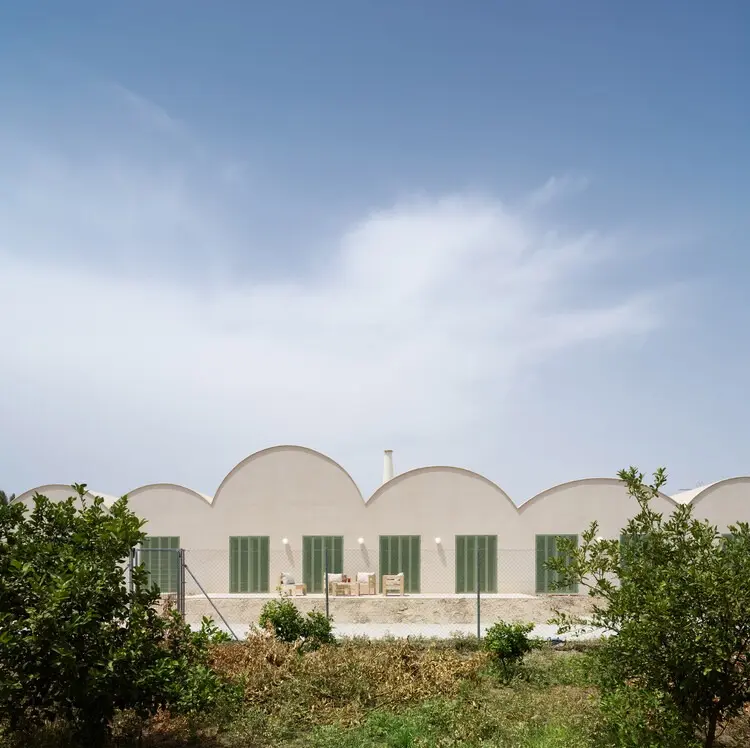
In the evolving landscape of contemporary residential design, the challenge of creating a dwelling that coexists harmoniously with its natural environment remains a central focus for visionary architects. A striking new example of this philosophy comes from the studio L’Aura Ortín Architecture for Happiness, which has recently unveiled Casa Vereda. Curated by Valentina Díaz and captured through the lens of architectural photographer David Frutos, the project represents a profound exploration of how a modern home can integrate into a pre-existing landscape without imposing upon it or disrupting the natural rhythms of the terrain.
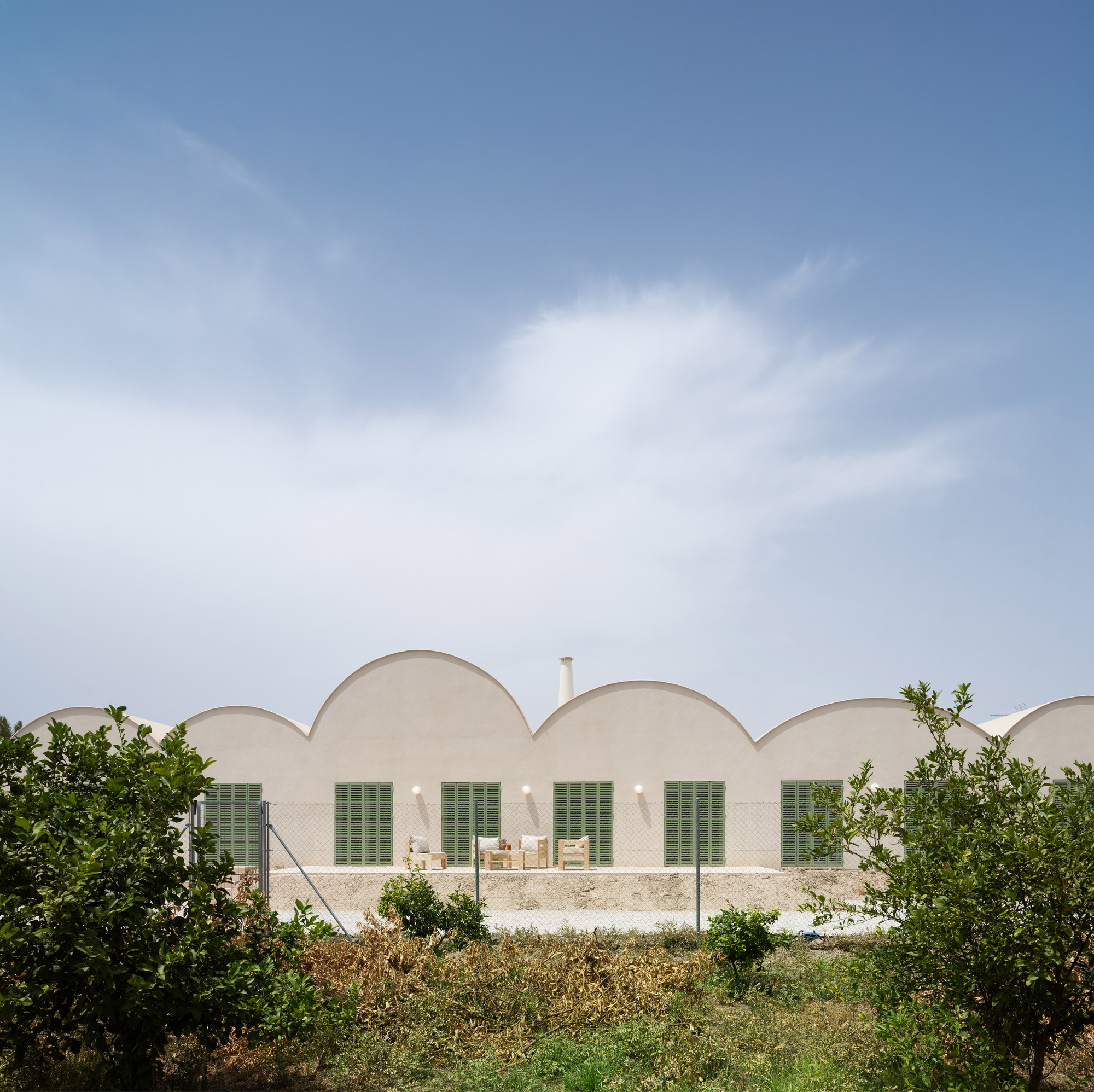
Formally published on October 3, 2026, Casa Vereda has quickly drawn attention within the architectural community for its sensitive approach to site integration. At its core, the project stems from a deceptively simple architectural premise: to inhabit nature without competing with it. Rather than utilizing aggressive earthmoving techniques or imposing a stark, foreign geometry onto the site, the design team crafted a residence that seeks to become an intrinsic part of its surroundings. The result is a thoughtful architectural intervention where volumes, materials, and textures engage in a continuous dialogue with the local vegetation, the shifting patterns of natural light, and the underlying memory of the place.
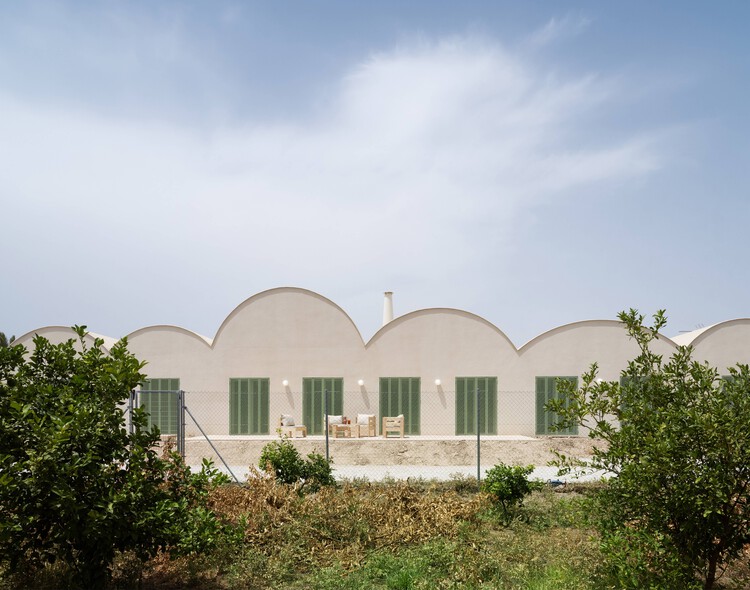
The design philosophy behind Casa Vereda avoids the common pitfalls of modern rural housing, which often relies on monumental gestures to conquer difficult topography or expansive sites. Instead, L’Aura Ortín Architecture for Happiness prioritized a symbiotic relationship between the built environment and the ecosystem. The volumes of the house are carefully scaled and positioned to navigate the terrain organically, allowing the surrounding greenery to press close to the structure. This creates a blurring of boundaries between the interior spaces and the outdoors, ensuring that nature is not merely viewed through a window, but is experienced as an active participant in daily domestic life.
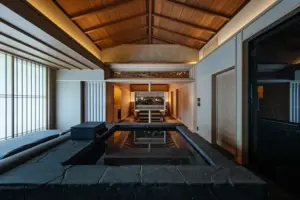
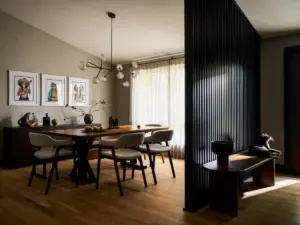
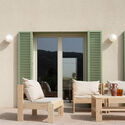
Materiality plays a crucial role in achieving this seamless integration. The selection of building materials and textures was guided by the desire to echo the natural palette of the site. Earthy tones, tactile brickwork, warm wood accents, and carefully proportioned structural elements come together to root the building firmly in its geographical context. These choices are not purely aesthetic; they contribute to an architecture that ages gracefully alongside its environment. Over time, as weathering and seasonal changes interact with the exterior surfaces, Casa Vereda is designed to look more and more like it has always belonged to the landscape.
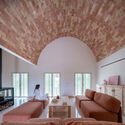
Light is treated as a primary building material throughout the residence. Large expanses of glass and strategically placed openings frame specific views of the outdoors, while interior layouts are organized to capture the changing quality of sunlight from morning to evening. The interplay of light against the textured brick walls and timber beams introduces a dynamic, living element to the interior spaces, enhancing the sense of warmth and emotional well-being that defines the studio’s broader design ethos.
The publication of Casa Vereda highlights a growing appreciation for architectural works that prioritize emotional resonance, contextual sensitivity, and ecological harmony over mere visual spectacle. Through careful curation and striking photographic documentation by David Frutos, the project invites observers to reconsider the relationship between human habitation and the natural world. By letting the landscape lead the design process, L’Aura Ortín Architecture for Happiness has delivered a residence that feels both deeply rooted in its specific geography and universally relevant to contemporary conversations about sustainable, human-centric design.