Across the country, educators are increasingly looking beyond the traditional four walls of the classroom to bring learning directly into the open air. As a growing body of educational research continues to highlight the profound impacts of nature on student focus, academic confidence, and overall emotional well-being, schools are actively embracing outdoor education as an essential component of the contemporary learning experience.
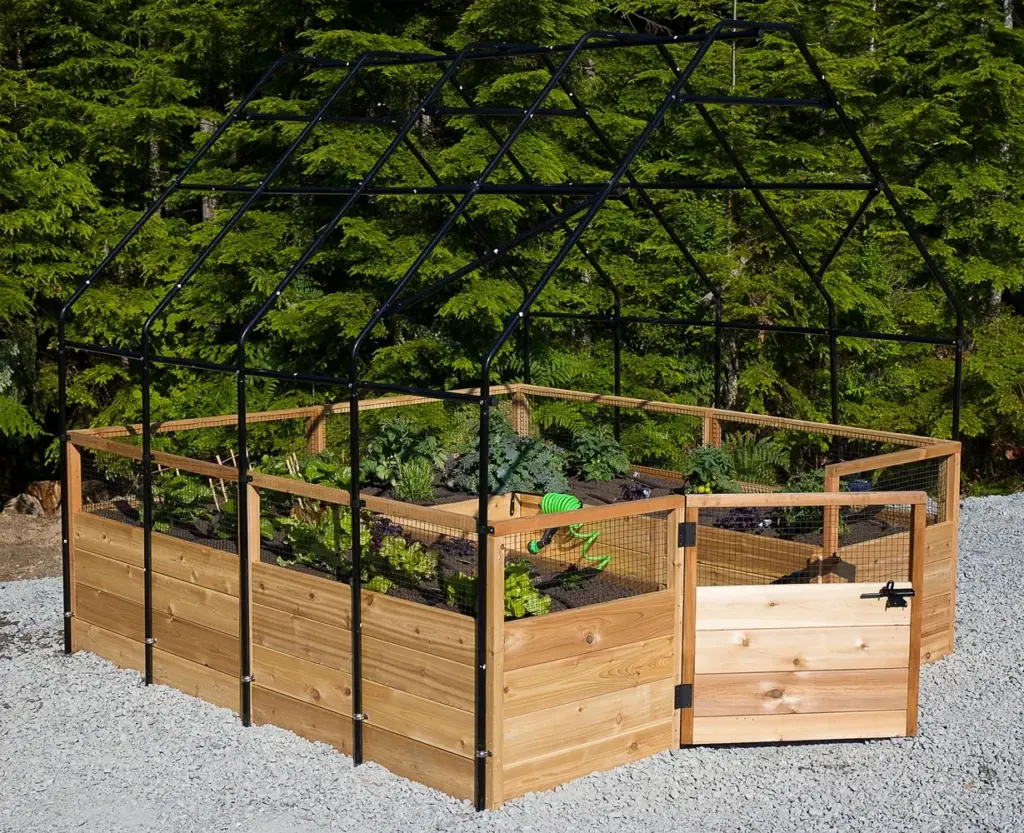
Among the most successful initiatives taking root in schoolyards nationwide is the implementation of dedicated garden beds. These living laboratories provide students of all ages with a unique opportunity to explore complex scientific concepts, understand intricate food systems, and practice environmental stewardship through direct, tactile engagement. To support these growing initiatives, manufacturers such as Outdoor Living Today—a Canadian producer specializing in durable Western Red Cedar garden products—have been supplying schools with resilient, weather-resistant infrastructure designed to withstand the rigors of heavy student use year after year.
The movement toward garden-based education represents a significant shift in pedagogical strategy, moving away from purely abstract, textbook-driven instruction and toward experiential learning that yields measurable benefits for student development.
The Expanding Educational Impact of School Gardens
School gardens are rapidly evolving from simple extracurricular projects into dynamic educational hubs that offer real-world experiences which traditional classroom lessons simply cannot replicate on their own. According to research published by the American Horticultural Society, integrating garden-based learning into school environments consistently helps improve academic performance, encourages higher levels of physical activity among children, and significantly enhances vital social-emotional skills.
Rather than serving as isolated activities, gardens naturally reinforce core academic subjects. Mathematics comes alive when students calculate plot dimensions, measure plant growth rates, and track harvest weights. Scientific inquiry is sparked daily as children observe insect life cycles, analyze soil composition, and monitor the effects of sunlight and moisture on various flora.
Furthermore, this hands-on approach directly aligns with established educational psychology principles demonstrating that students retain information much more effectively when they learn by doing. By encouraging natural curiosity, active experimentation, and collaborative problem-solving, gardens transform passive listeners into engaged, active participants in their own education.
In addition to academic advantages, school gardens play a crucial role in promoting healthier lifestyle choices. When children are given the opportunity to cultivate their own fruits, vegetables, and herbs from seed to harvest, their relationship with food fundamentally changes. They develop a deeper understanding of where their nutrition originates and exhibit a markedly higher willingness to try fresh produce. Supporting this observation, research conducted at Cornell University found that children who actively participated in school garden programs were significantly more open to consuming healthy, fresh foods compared to their peers without similar garden exposure.
Beyond the cognitive and physical health benefits, gardening serves as a powerful catalyst for social and emotional growth. Working together in a communal plot teaches fundamental life lessons in responsibility, patience, teamwork, and accountability. As students care for delicate seedlings and watch them mature into robust, harvestable plants, they develop a profound sense of personal pride and accomplishment that translates directly back into their academic self-esteem.
Integrating Gardens into the Broader School Community
Launching a successful school garden program requires careful planning, community collaboration, and thoughtful integration into existing school curricula. Educational administrators and lead teachers embarking on these projects typically begin by establishing a clear design and layout that maximizes available sunlight, ensures easy accessibility for all students, and fits harmoniously within the schoolyard landscape.
Securing the necessary administrative permissions and school board approvals is a foundational early step, ensuring long-term institutional support for the garden space. Once clearance is granted, schools often reach out to local businesses, community organizations, and parent-teacher associations to gather essential supplies, including soil amendments, basic hand tools, watering equipment, and sturdy garden beds. Collaborating with local community members frequently results in generous donations or active sponsorship of individual garden beds, reducing financial strain on school districts.
Integrating the garden directly into daily lesson plans ensures that the space remains an educational asset rather than a neglected project. Teachers weave garden activities into science, math, art, and language arts curricula. For instance, younger students might read literature about plant life and then observe those same processes outdoors, while older classes might design architectural layouts for new bed configurations or study the economic impact of local agriculture.
Involving students at every single stage of the process—from sketching initial bed designs and choosing seed varieties to daily maintenance and eventual harvesting—fosters a deep sense of shared ownership and heightened engagement. Selecting plants that thrive within the specific regional climate and seasonal window ensures a high rate of success, while mixing vegetables, colorful flowers, and fragrant herbs creates a multi-sensory learning environment.
To further enrich the experience, many schools establish small on-site gardening libraries filled with children’s instructional books, reference guides, and educational videos. Bringing in local horticulturists, master gardeners, and agricultural extension agents to host workshops or lead live demonstrations bridges the gap between the classroom and the broader professional community, offering students inspiring mentorship opportunities.
Regular maintenance routines, including structured watering schedules, attentive weeding, and natural pest management, provide practical lessons in environmental science, soil health, and sustainable agricultural practices. When the growing season reaches its peak, schools celebrate the culmination of months of hard work through community harvest events. The fresh produce gathered by the students is frequently incorporated directly into cafeteria meal programs, utilized in classroom tasting sessions, or donated to local food banks to support families in need.
Finally, reflection and evaluation ensure the long-term sustainability of the garden program. Educators encourage students to reflect critically on their successes and challenges, while collecting constructive feedback from teachers, staff, and parent volunteers helps schools refine their approach, expand their programming, and maximize the educational impact for future student cohorts.
Selecting Materials Built for Educational Environments
Choosing the right materials for school garden infrastructure is a critical decision that influences the safety, longevity, and overall success of the program. Among the various materials available, Western Red Cedar has emerged as a premier choice for educational institutions establishing raised garden beds.
As a natural, non-toxic wood, Western Red Cedar is inherently resistant to decay and insect damage without the need for chemical treatments or synthetic preservatives. This chemical-free resilience makes it exceptionally safe for food-growing environments where children will be handling the soil and consuming the harvested crops. Furthermore, its natural structural durability significantly reduces long-term maintenance costs and replacement needs, representing a fiscally responsible, high-value investment for schools operating within tight budgetary constraints.
As more educational institutions recognize the immense value of experiential, outdoor learning, school gardens continue to prove their worth as transformative educational tools. By combining durable, sustainable infrastructure with thoughtful, hands-on curriculum integration, schools are successfully cultivating not just vegetables and flowers, but a new generation of focused, confident, and environmentally conscious learners.