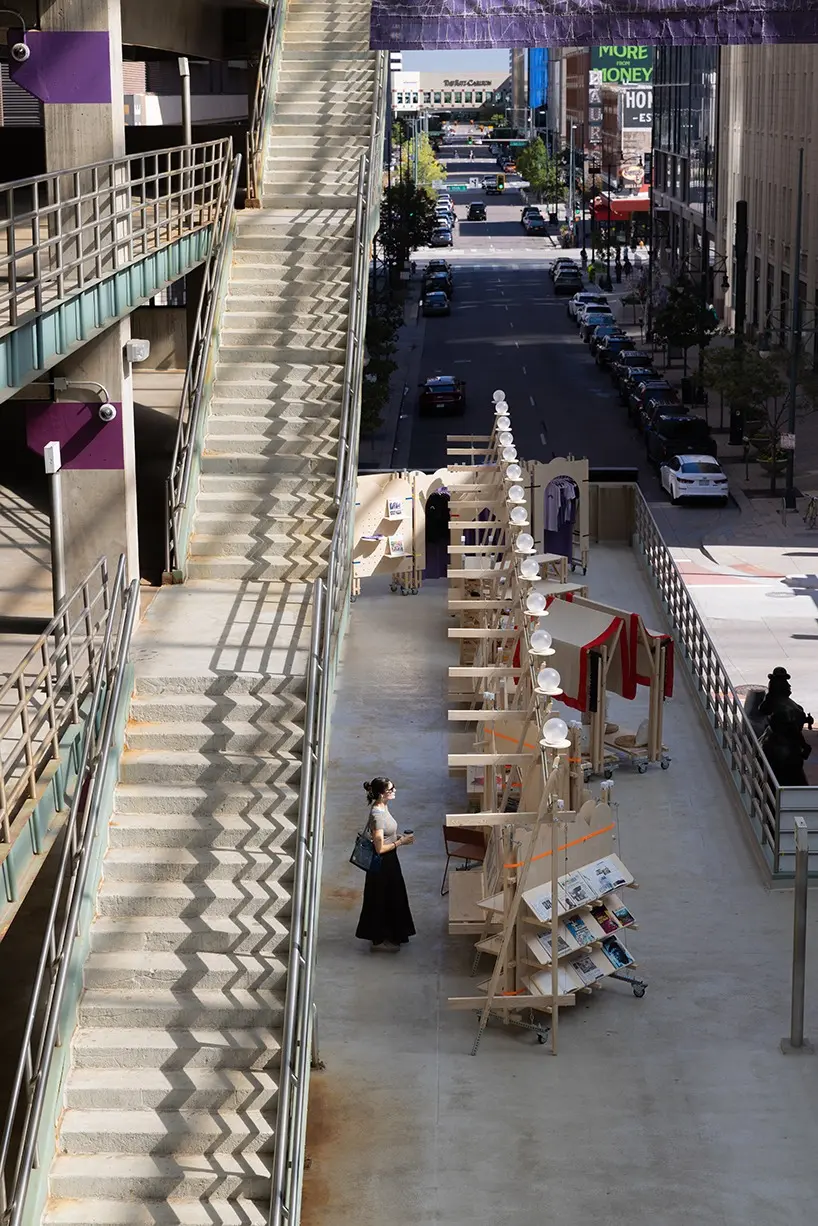
The intersection of architecture, public advocacy, and community storytelling takes center stage in downtown Denver this autumn, as the inaugural Denver Community Design Festival opens its doors to the public. Titled "Common Ground," the festival runs from September 24th through October 7th, 2026, at the prominent Denver Performing Arts Complex. Co-developed by designer Leyuan Li in partnership with the Denver Mayor’s Office of Community Outreach and the Office for Roundtable, the event marks a significant milestone in exploring grassroots, community-led approaches to urban design and public space activation.
By uniting architecture students from the University of Colorado Denver (CU Denver), practicing professionals, municipal leaders, and grassroots advocacy groups, the festival seeks to redefine how public spaces are conceptualized and utilized. Rather than imposing a top-down architectural vision on the city, Common Ground flips the traditional design paradigm. It empowers local organizations to articulate their own spatial needs, turning architectural practice into a collaborative medium for public exchange and civic empowerment.
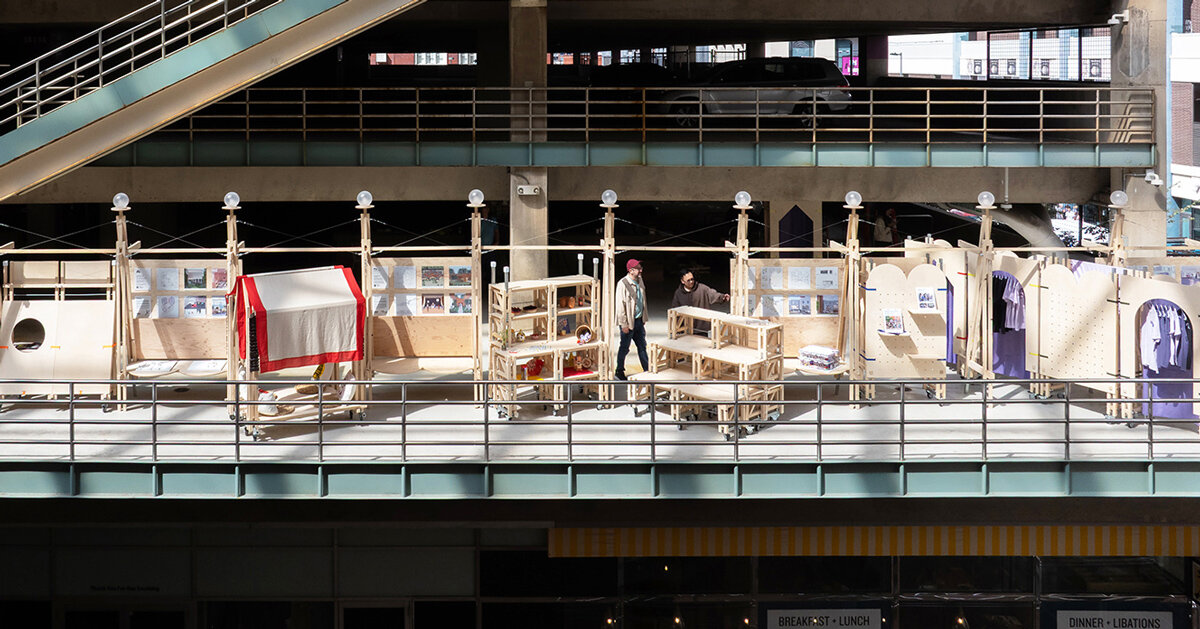
At the heart of the exhibition are five temporary, highly adaptable installations. Developed in close partnership with five distinct community-based organizations—the Colorado Nepalese Community, the Greater Denver CARES Mentoring Movement, the Colorado Immigrant Rights Coalition, Empower Media Exchange, and the Lavender Hill Cultural District—each structure is thoughtfully tailored to reflect the unique stories, challenges, and cultural identities of its respective partner.
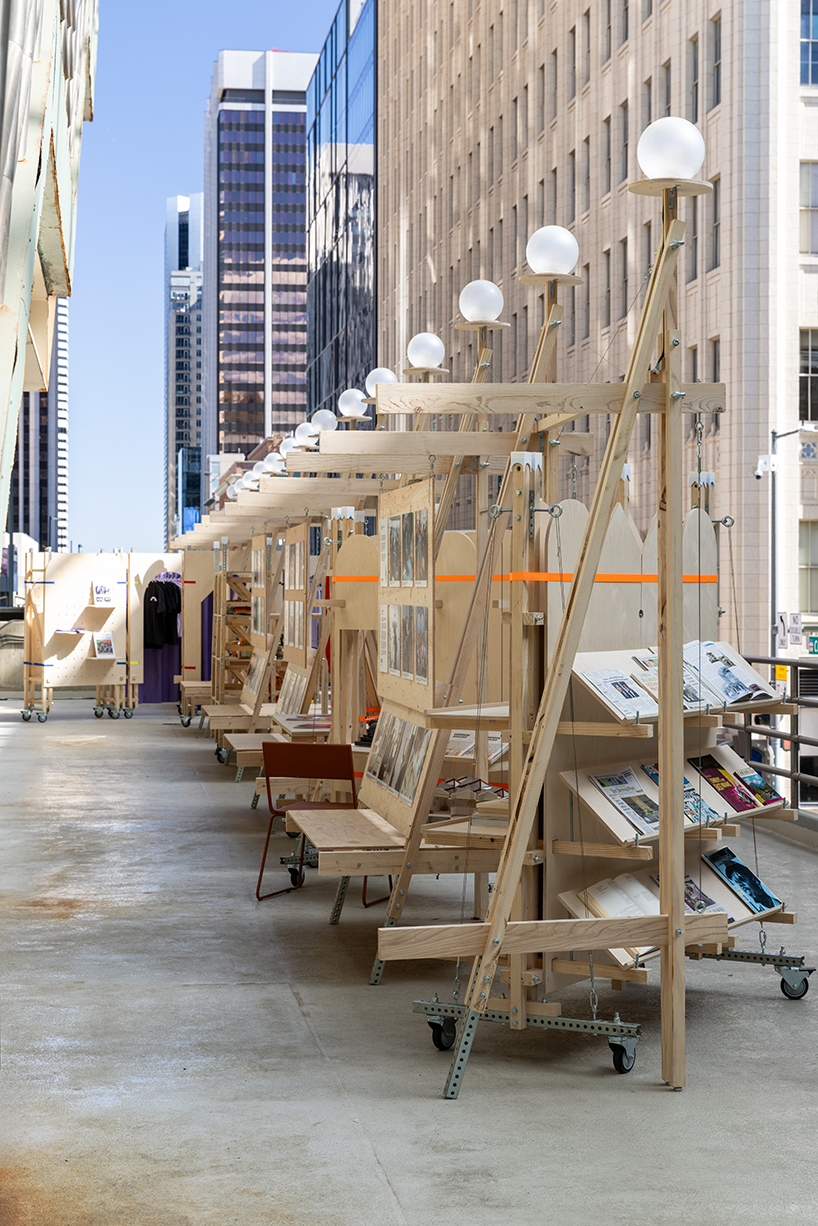
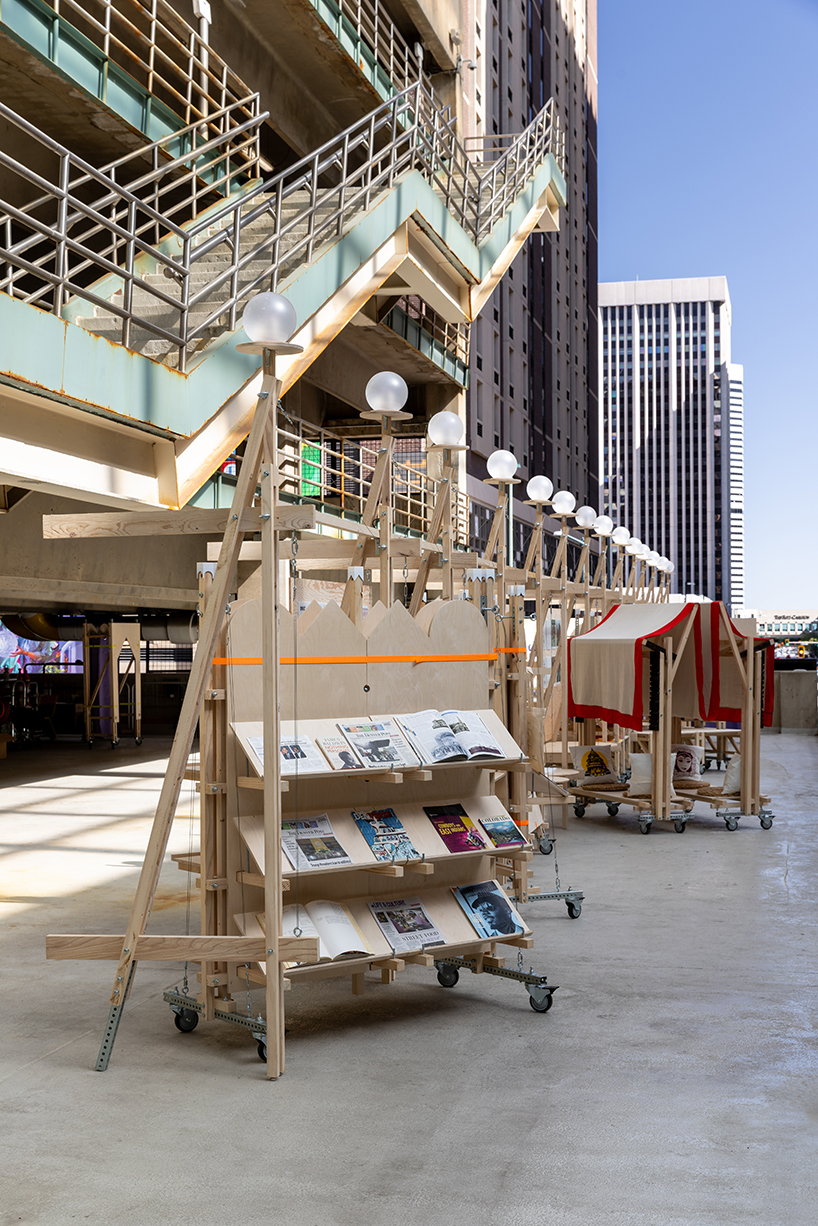
The resulting structures take on a variety of functional forms tailored to the everyday needs of these organizations. Visitors walking through the linear display framework at the Denver Performing Arts Complex encounter an array of bespoke architectural elements, including a dynamic community performance stage, an interactive storytelling kiosk, and a mobile bookstand designed to facilitate outreach and education. These physical artifacts are not merely ornamental design exercises; they are functional spatial interventions engineered to give voice to underrepresented narratives within Denver’s rapidly evolving built environment.
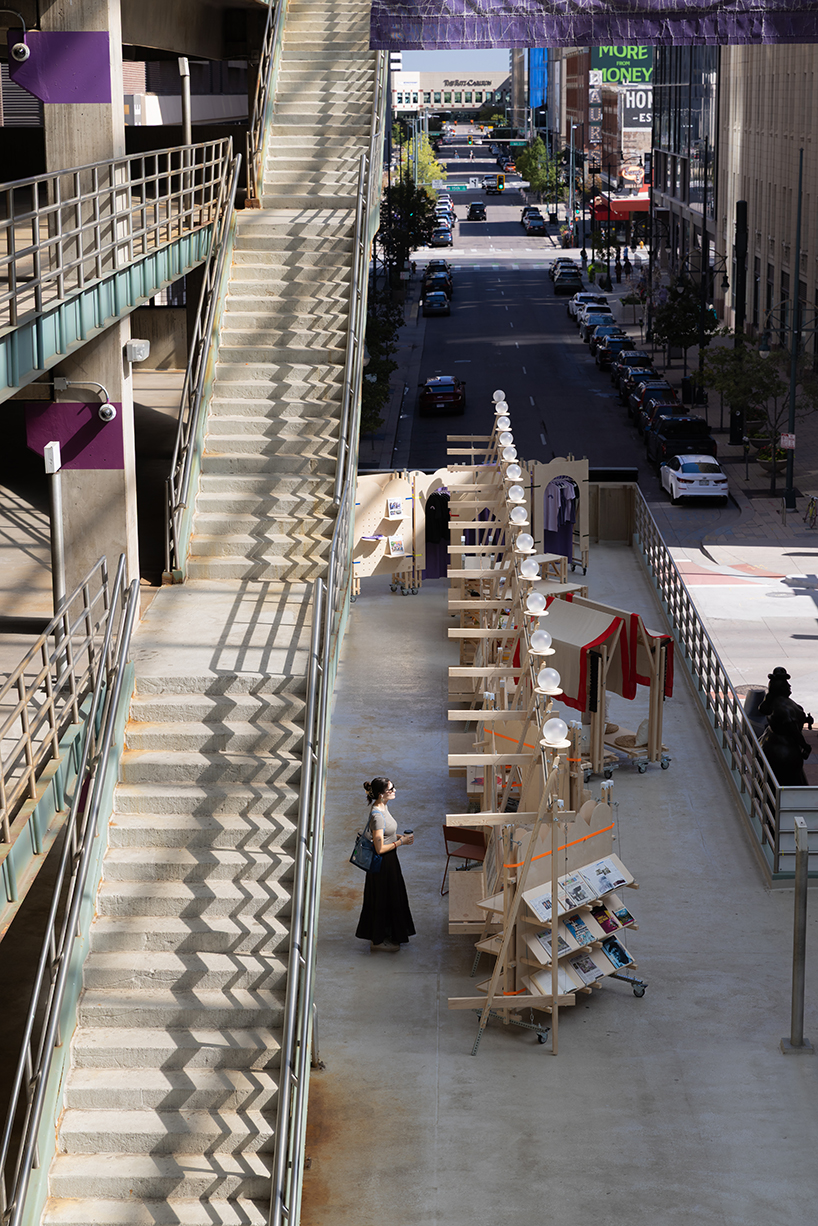
A central innovation of the Common Ground festival lies in its forward-thinking construction methodology. Conceived by the design team—which includes lead designers Leyuan Li and Danny Wills, alongside organizing team members Elaine Minjy Limmer, Zach Kotel, and Meg Touborg—the installations utilize a flexible, low-impact assembly system. Constructed primarily from readily available wood, heavy-duty ratchet straps, and specialized metal joints, the structures bypass permanent, resource-intensive construction methods in favor of agility and resourcefulness.
This deliberate choice of materials and joinery is central to the project’s long-term sustainability and community impact. The entire framework is engineered for effortless dismantling and swift reassembly. During the two-week run of the festival at the Denver Performing Arts Complex, these structures serve as lively venues for a diverse program of community-led performances, public discussions, panel conversations, and collaborative workshops. They act as active platforms where the public can engage directly with the missions and stories of the partner organizations.
However, the lifespan of these installations extends far beyond the closing ceremonies of the festival. Once the event concludes on October 7, the structures will not be discarded or returned to storage. Instead, they are slated for physical relocation directly into the neighborhoods served by their respective partner organizations. By moving beyond the festival site, the temporary pavilions transition into permanent fixtures of community infrastructure. They will continue to function as mobile hubs for public interaction, grassroots organizing, and neighborhood activity across the Denver metropolitan area.
This seamless transition from festival centerpiece to neighborhood utility underscores the core philosophy championed by the organizers and the student design teams. By integrating design-build education with real-world advocacy, the project demonstrates how architecture can serve as an accessible, scalable tool for social infrastructure. Students from CU Denver—including Andrea Malta, Santiago Aguilera Cepeda, Camden Cramer, Esra Hima, Kevin Harris, Andrew Kauffman, and numerous others—worked hands-on to translate abstract community needs into tangible, durable realities.
Captured through the lenses of photographers Mickkail Cain, Esra Hima, and The Unfound Door, the festival stands as a testament to the power of collaborative civic design. By bridging the gap between municipal institutions, academic training grounds, and neighborhood advocates, the Denver Community Design Festival establishes a compelling blueprint for future urban interventions, proving that the most resilient public spaces are those authored by the communities who use them every day.