The art world is currently navigating a period of significant volatility and cultural evolution, marked by high-profile sales, international heists, and a shifting focus toward inclusivity and global representation in major institutions. As autumn progresses, the market is witnessing both the consolidation of private wealth and the expansion of public access to art, reflecting a broader tension between the commercial value of masterpieces and their role in the public consciousness.
In the Spotlight: Market Shifts and High-Stakes News
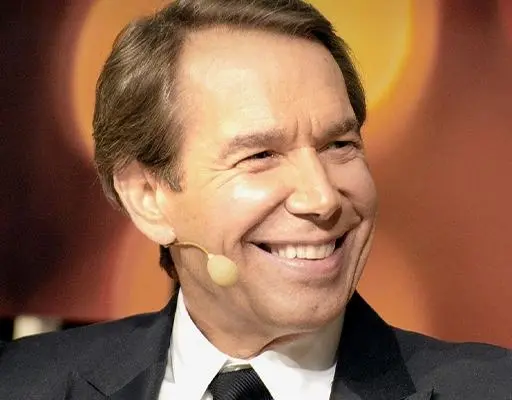
Perhaps the most significant development in the commercial sphere is the announcement that Jeff Koons, one of the world’s most recognizable living artists, is set to offload a staggering $100 million worth of his personal art collection. This massive divestment, scheduled for auction at Christie’s this fall, represents a major recalibration of Koons’s private holdings. Much of the trove was acquired during an aggressive buying spree in the late 2000s, a period when Koons was consolidating his own position at the top of the contemporary art market. The collection is notable for its eclecticism, ranging from Dutch Golden Age masterpieces to quintessential works by modern titans such as Pablo Picasso and Édouard Manet. For market observers, the sale serves as a bellwether for the health of the high-end secondary market, signaling that even the most prominent figures are looking to liquefy assets to rebalance their portfolios.
While Koons prepares for his high-profile sale, the darker side of the art world has resurfaced with a shocking heist in France. Thieves have successfully stolen a 330-pound bronze book cover designed by Salvador Dalí, titled Livre de l’Apocalypse. The object is far more than a decorative piece; it is a profound "masterpiece" created through a collaborative effort between 14 of the 20th century’s most significant artists and writers. Due to its sheer weight and the intricacy of its craftsmanship, it is widely considered one of the heaviest and most expensive books ever produced. The theft has sent shockwaves through the heritage sector, highlighting the ongoing vulnerability of rare, heavy, and culturally significant objects that remain outside of the world’s most fortified vault systems.
On a brighter note, the intersection of pop culture and institutional curation continues to prove successful. The San Francisco Museum of Modern Art (SFMoMA) is currently experiencing a blockbuster moment thanks to an exhibition curated by K-pop sensation RM of BTS. The show, which highlights the singer’s personal collection of Korean art, has already seen an overwhelming public response, with 50,000 tickets reserved ahead of its debut. The event underscores a growing trend of "celebrity curation," where high-profile figures use their massive platforms to bring niche or regional art histories—in this case, the rich traditions of Korean art—to a global, younger audience that might otherwise be disconnected from traditional museum programming.
Museums & Galleries: Institutional Growth and Reimagining History
Museums across Europe and the United States are currently prioritizing efforts to rewrite the traditional canon, with a particular focus on addressing historical gender imbalances. A significant new research partnership has been established between Amsterdam’s Rijksmuseum and the Museo Nacional del Prado in Madrid. This collaboration is designed to systematically highlight the often-overlooked roles of women in art history and production. The initiative is not merely performative; it includes a dedicated fellowship program aimed at emerging scholars and a landmark exhibition currently slated for 2029, which promises to synthesize years of new research into a cohesive narrative that centers female creators and patrons.
In London, the architectural legacy of Zaha Hadid is being transformed into a permanent cultural touchstone. The Zaha Hadid Foundation (ZHF) has officially converted the late, world-renowned architect’s former headquarters into a new public arts space. Set to open its doors on October 29, the venue will serve as a repository for Hadid’s archives and a site for contemporary discourse, ensuring that her influence on the built environment remains accessible to the public long after her passing.
Philanthropy remains a vital engine for institutional expansion, as evidenced by the Phoenix Art Museum’s recent announcement. The Arizona-based institution has received a generous $5 million donation from philanthropist Sukumar Nagendran. This capital is earmarked for the expansion of the museum’s galleries dedicated to Sri Lankan and South Asian art, reflecting a broader institutional commitment to diversifying permanent collections and providing deeper context for underrepresented cultural narratives within the American Southwest.
Leadership changes continue to reshape the global museum landscape. The Louvre Abu Dhabi has appointed Souraya Noujaim as its new director. Noujaim is a familiar face to the institution, having previously served as its director of scientific, curatorial, and collections management. Her appointment is viewed as a signal of continuity and deep-rooted expertise as the museum continues to establish itself as a bridge between Middle Eastern heritage and global art discourse. Similarly, in Hong Kong, Philip Tinari has been named the director of Tai Kwun Arts. Having served as the institution’s "head of art" since January, Tinari’s promotion solidifies his leadership role in managing one of Asia’s most dynamic contemporary art centers.
Auctions & Market: The "Found" Masterpiece
The art market’s capacity for producing "Cinderella stories" remains as potent as ever. A recent auction in New York highlighted this phenomenon when a painting by Gertrude Abercrombie, purchased for a mere $30 at an estate sale in Kalamazoo, Michigan, ignited a fierce bidding war. The work ultimately fetched $1.35 million. The auction house described the discovery as a rescue mission, noting that the buyer effectively saved the work from being lost to obscurity. This windfall has reignited interest in Abercrombie’s surrealist, often melancholic aesthetic, and serves as a reminder of the latent value still waiting to be discovered in local estate sales and private collections across the country.
Fairs & Biennials: A Global Outlook
Looking toward the future of the contemporary art biennial circuit, the New Museum has announced the roster of artists for its 2027 Triennial. The selection features 36 artists and collectives representing 34 different nations, marking the most internationally focused iteration of the event to date. By prioritizing a truly global spread of contributors, the organizers are aiming to move away from the traditional Euro-centric focus of such exhibitions, instead offering a platform for perspectives from the Global South and emerging art centers.
As these developments suggest, the art world is in a state of rapid transition. From the record-breaking sales of private collections and the tragic loss of historic bronze works, to the infusion of celebrity energy into museum programming and the systematic efforts to broaden historical narratives, the current climate reflects a complex ecosystem. Institutions, collectors, and artists alike are grappling with how to balance the commercial realities of the market with the essential mission of preserving and interpreting culture for a changing global audience. As the year draws to a close, the focus remains on who holds the art, how it is valued, and ultimately, who gets to see it.