The international art market is currently navigating a period of significant transition, marked by major divestments from high-profile collectors, renewed institutional efforts to elevate underrepresented voices, and a shifting landscape of leadership in some of the world’s most prestigious galleries and museums. From the personal vaults of contemporary icons to the halls of global heritage centers, the past week has underscored the complex interplay between private ownership and public stewardship.
In the Spotlight: Acquisitions, Heists, and Curatorial Debuts
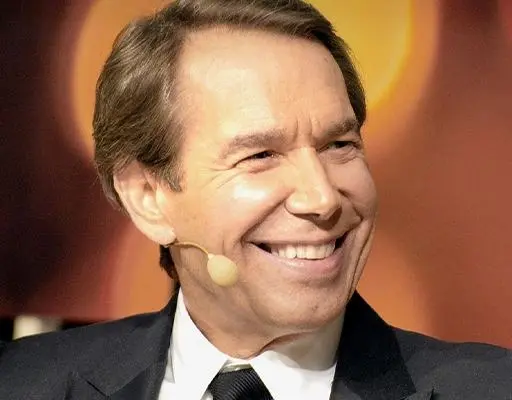
The art world’s attention turned sharply toward Jeff Koons this week, as the famed contemporary artist announced a significant move to reshape his personal collection. Koons, known for his own highly commodified aesthetic, is set to offer a staggering $100 million worth of art from his private holdings at Christie’s this fall. This collection is not a recent accumulation; it represents the fruits of a meticulous buying spree that Koons undertook during the late 2000s. The trove is reportedly eclectic, featuring a range of works from the Dutch Golden Age—a period Koons has long admired for its technical precision—alongside significant paintings by titans of modern art, including Pablo Picasso and Édouard Manet. For market analysts, this sale serves as a barometer for the health of the high-end secondary market, as works of such provenance often set the tone for the remainder of the auction season.
While Koons is choosing to part with his treasures, other works of art are being forcibly removed from the public sphere. French authorities are currently investigating a shocking art heist involving the theft of a 330-pound bronze book cover designed by Salvador Dalí. The piece, titled Livre de l’Apocalypse, is a rare artifact that stands as a testament to collaborative artistic endeavor, having been produced as a masterpiece involving 14 distinct artists and writers. Its sheer physical weight and historical significance make it one of the most substantial and costly book-related objects ever crafted, leaving investigators and the cultural community struggling to understand how such a massive, recognizable object could be extracted from its location.
In a brighter turn for the intersection of pop culture and the fine arts, the San Francisco Museum of Modern Art (SFMoMA) has become the epicenter of a massive cultural moment. The museum is currently hosting a curatorial debut by BTS singer RM, whose personal collection of Korean art has drawn immense public interest. The exhibition appears to be a bona fide blockbuster; early reports indicate that 50,000 tickets have already been reserved. This event highlights the growing influence of non-traditional curators in the museum space, as high-profile figures use their global platforms to spotlight cultural heritage that might otherwise struggle to reach such a broad, international demographic.
Museums and Galleries: Institutional Evolution and Expansion
The institutional landscape is also seeing a shift in how museums define their historical responsibilities. A new research partnership between Amsterdam’s Rijksmuseum and the Museo Nacional del Prado in Madrid signals a concerted effort to recalibrate the narrative of art history. By focusing specifically on the role of women in art and history, the two institutions are pooling their resources to launch a dedicated fellowship program. This collaboration is set to culminate in a major exhibition planned for 2029, a project that promises to recontextualize centuries of artistic output by shining a light on previously sidelined female contributors.
In London, the architectural legacy of Zaha Hadid is being solidified through the efforts of the Zaha Hadid Foundation (ZHF). The foundation has successfully transformed the late architect’s former headquarters into a new cultural space, which is scheduled to open to the public on October 29. The site is expected to serve as both a tribute to Hadid’s revolutionary structural designs and a functional space for future architectural research and display.
Financial stability remains a critical pillar for institutional growth, evidenced this week by a major philanthropic development in Arizona. The Phoenix Art Museum announced that it has received a $5 million donation from philanthropist Sukumar Nagendran. The funds are earmarked specifically for the expansion of the museum’s Sri Lankan and South Asian art galleries, a move that will allow the institution to deepen its representation of these specific artistic traditions and improve the quality of its permanent collection.
Leadership changes continue to reshape global institutions as well. The Louvre Abu Dhabi has appointed Souraya Noujaim as its new director. Noujaim is a familiar face to the institution, having previously served as its director of scientific, curatorial, and collections management. Her promotion is viewed by many as a stable transition that will allow the museum to maintain its trajectory in the Middle Eastern cultural sector. Similarly, in Hong Kong, Philip Tinari has been officially named the director of Tai Kwun Arts. Tinari, who had been serving as the organization’s "head of art" since January, brings significant experience to the role, further signaling Tai Kwun’s commitment to becoming a primary hub for contemporary art in the region.
Auctions and Market Trends: The Value of Discovery
The volatility and excitement of the art market were perfectly captured by a recent story out of Michigan. An estate sale in Kalamazoo turned into a historic event when a painting, purchased for a mere $30, was identified as a work by Gertrude Abercrombie. The unassuming find eventually ignited a bidding war that pushed the final price to $1.35 million. Auction house representatives noted that the buyer’s keen eye effectively saved the work from being lost to time, highlighting the enduring appeal of the "treasure hunt" aspect of the art trade. Such stories serve as a reminder that despite the multi-million dollar headlines generated by established masters like Picasso or Koons, the art market still holds the capacity for life-changing discovery at the grass-roots level.
Fairs and Biennials: Looking Toward the Future
Looking ahead, the New Museum has provided a preview of the upcoming 2027 Triennial, an event that promises to be a defining moment for international contemporary art. The museum confirmed that the exhibition will feature 36 artists and collectives representing 34 different nations. This level of geographic diversity marks the event as the most internationally focused edition in the history of the Triennial. By prioritizing a global perspective, the New Museum aims to provide a comprehensive look at the themes and mediums currently dominating the global zeitgeist.
As these developments suggest, the art world remains a complex ecosystem where the movement of capital, the rigor of historical research, and the passion of individual collectors constantly overlap. Whether through the record-breaking sales of private collections, the institutional shift toward more inclusive narratives, or the serendipitous discovery of forgotten masterpieces, the pulse of the art world continues to beat with a mix of commercial intensity and profound cultural curiosity. As the calendar moves toward the end of the year, all eyes will remain on how these disparate threads—the institutional, the market-driven, and the archival—continue to weave together the broader tapestry of contemporary art history.