The international art world is currently navigating a period of significant movement, marked by the strategic liquidation of high-profile private collections, ambitious institutional growth, and the ongoing struggle to protect cultural heritage from criminal activity. As the market shifts, both seasoned collectors and major museums are making headlines, signaling a dynamic season for the global art scene.
In the Spotlight: Acquisitions, Heists, and Curatorial Debuts
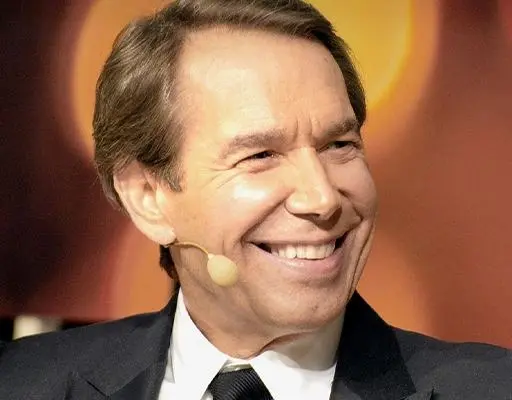
The art market’s most prominent figure, Jeff Koons, has captured industry attention with the announcement that he is parting with a substantial portion of his personal art collection. Valued at approximately $100 million, the trove is slated to hit the auction block at Christie’s this fall. The collection, which Koons amassed largely during an aggressive buying spree in the late 2000s, represents a diverse range of artistic history. It includes rare Dutch Golden Age pieces alongside blue-chip works by modern masters such as Pablo Picasso and Édouard Manet. This sale is viewed by market analysts as a significant redistribution of high-value assets, offering a rare glimpse into the personal aesthetic priorities of one of the world’s most recognizable living artists.
While the market celebrates the circulation of these masterworks, the darker side of art ownership was brought into sharp focus this week following a shocking heist in France. Thieves successfully absconded with a monumental 330-pound bronze book cover designed by the surrealist icon Salvador Dalí. The piece, titled Livre de l’Apocalypse, is not merely a sculpture but a testament to a unique collaborative endeavor involving 14 distinct artists and writers. Regarded as one of the heaviest and most expensive books ever created, its theft has sent shockwaves through the community of collectors and historians who value such singular, collaborative masterpieces.
Meanwhile, the intersection of pop culture and high art continues to yield record-breaking engagement. The San Francisco Museum of Modern Art (SFMoMA) is currently hosting the curatorial debut of K-pop sensation RM, a member of the global phenomenon BTS. His exhibition, which focuses on Korean art, has already generated unprecedented buzz. With 50,000 tickets already reserved, the show is positioned as a blockbuster event, proving that the integration of celebrity influence with institutional curatorship can effectively bridge the gap between traditional museum-going audiences and a younger, digital-native demographic.
Museums and Galleries: Expansion, Collaboration, and Leadership
Institutional developments this month reflect a broader trend toward international cooperation and historical re-evaluation. A major research partnership has been established between the Rijksmuseum in Amsterdam and the Museo Nacional del Prado in Madrid. This collaboration is specifically designed to highlight the often-overlooked roles of women in art history. By pooling resources, the two powerhouses plan to launch a dedicated fellowship program, culminating in a significant exhibition scheduled for 2029. This initiative aims to rectify historical imbalances in institutional recognition and provide a deeper academic understanding of female artists’ contributions.
In London, the architectural legacy of Zaha Hadid is being honored through a new cultural initiative. The Zaha Hadid Foundation (ZHF) has officially converted the late architect’s former headquarters into a public arts space. Set to open its doors on October 29, the venue will serve as a hub for architectural discourse and public engagement, preserving the environment where some of the 21st century’s most iconic designs were conceived.
Financial support for the arts remains robust in the United States, as evidenced by a substantial donation to the Phoenix Art Museum. Philanthropist Sukumar Nagendran has pledged $5 million to the institution, earmarked for the expansion of its Sri Lankan and South Asian art galleries. This infusion of capital is expected to elevate the museum’s profile as a center for South Asian cultural representation in the American Southwest.
Leadership transitions are also reshaping the international landscape. The Louvre Abu Dhabi has appointed Souraya Noujaim as its new director. Noujaim, who previously served as the museum’s director of scientific, curatorial, and collections management, is intimately familiar with the institution’s trajectory and long-term vision. In Hong Kong, the arts sector is also undergoing a leadership change; Philip Tinari has been named director of Tai Kwun Arts. Tinari, who took on the role of "head of art" earlier this year, will now oversee the strategic direction of the cultural complex as it continues to solidify its place as a cornerstone of the regional art scene.
Auctions and Market Trends: The Value of Discovery
The unpredictability of the art market was perfectly illustrated this week by a remarkable discovery in Michigan. A painting by the American artist Gertrude Abercrombie, which had been purchased for a mere $30 just months ago, became the center of a frenzied $1.35 million bidding war at auction. The incident has been hailed by industry experts as a triumph of serendipity, with the auction house noting that the buyer effectively saved the work from being lost to time. Such stories serve as a reminder of the enduring potential for discovery in the secondary market, where estate sales and private collections occasionally yield works of profound historical and financial significance.
Fairs and Biennials: The 2027 New Museum Triennial
As the art world looks toward the future, the New Museum has announced the artist lineup for its 2027 Triennial. The upcoming exhibition will feature 36 artists and collectives representing 34 nations, marking a concerted effort by the museum to expand its global reach. By prioritizing international representation, the 2027 edition is set to be the most globally diverse and ambitious in the event’s history, providing a platform for voices that have historically remained at the periphery of the Western-centric art market.
These developments—from the movement of private collections and the growth of institutional infrastructure to the sudden, transformative value of rediscovered works—paint a picture of an art world that remains as volatile as it is vibrant. As institutions prepare for upcoming exhibitions and the market absorbs the influx of high-profile pieces, the coming months promise to be a period of significant transformation for the global cultural landscape. Collectors, curators, and the public alike remain keenly observant, waiting to see how these shifting dynamics will influence the cultural narrative of the years ahead.