For many homeowners looking to refresh a tired interior, the prospect of painting directly over existing wallpaper can sound like a welcome shortcut. Stripping old wallpaper, smoothing out plaster, and painstakingly preparing bare walls for a fresh coat of paint is notoriously labor-intensive, messy, and time-consuming. Bypassing this arduous removal phase by simply rolling paint over the top of the paper offers an undeniably attractive alternative for those seeking a swift room revamp. However, professional decorators and home improvement experts are advising property owners to exercise caution, warning that while the method can save significant time, it also comes with a series of potential pitfalls that require careful consideration, proper assessment, and meticulous preparation to avoid costly mistakes.
The decision to paint over wallpaper rather than stripping it down to the bare wall hinges entirely on the current condition and structural integrity of the existing paper. Before touching a roller to the wall, experts advise conducting a thorough inspection of every square foot. The wallpaper must be in generally good condition, completely free from major rips, tears, or deep surface gouges. If the paper is severely damaged, brittle, or worn out, attempting to paint over it is rarely successful. In such cases, the underlying flaws will inevitably show through the new paint layers, and the added moisture from the paint can cause the damaged paper to disintegrate or pull away entirely from the wall surface.
Another critical warning sign involves the adhesion of the wallpaper. Homeowners must check for areas where the paper is already beginning to lift or peel away from the wall. Painting over wallpaper that is peeling in multiple places is strongly discouraged, as it indicates that the original adhesive paste is failing. This failure can stem from a variety of factors, including the use of low-quality paste during the initial installation or long-term exposure to localized dampness and moisture within the room. If the paste has lost its grip, applying a heavy wet coat of paint will only accelerate the detachment process, causing the wallpaper to bubble, warp, and sag under the extra weight.
While widespread peeling is a dealbreaker, localized lifting in a single, isolated spot does not necessarily mean the entire room’s wallpaper must be stripped. In such cases, it is often possible to carefully re-secure the loose edge using fresh wallpaper paste. This delicate repair work must be executed meticulously to prevent trapping air bubbles underneath the paper. Once the patch has been successfully glued down, it is vital to allow the area to dry fully before taking any further steps toward painting.
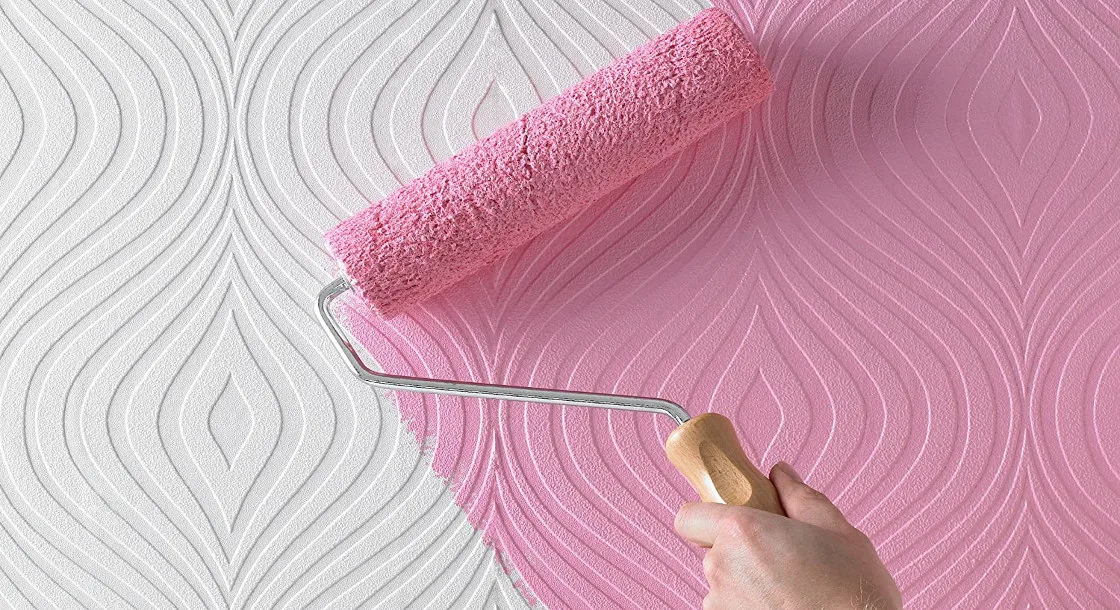
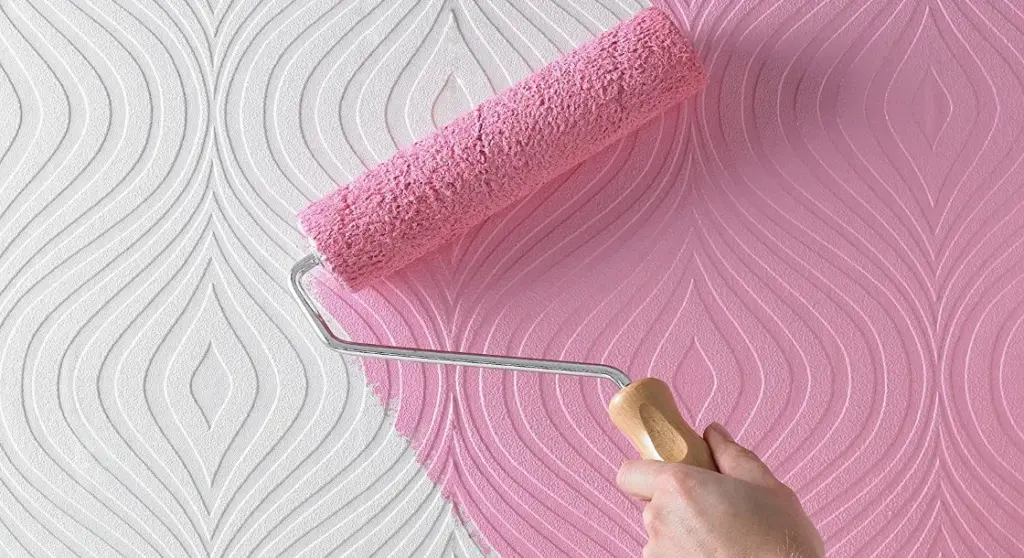
The texture and pattern of the wallpaper also play a significant role in determining the final outcome of the project. Plain, completely flat wallpaper provides the most straightforward and seamless surface for painting over. However, homeowners are not strictly limited to plain styles. It is entirely possible to paint over textured or patterned wallpaper, provided the homeowner is comfortable with the underlying design or tactile texture remaining visible through the new color. For those who want a completely smooth, modern finish, textured paper will ultimately retain its physical relief, creating a unique dimensional effect under the fresh paint.
Assuming the initial inspection reveals that the wallpaper is sound, firmly affixed, and in good condition, the amount of physical preparation required before painting is relatively minimal compared to a full stripping job. Even so, skipping foundational steps can ruin the final aesthetic. One of the most important recommendations from trade professionals involves the choice of primer. Even when dealing with light-colored or unpatterned wallpaper, applying at least one coat of primer is strongly advised to achieve a professional, clean finish and to make the underlying surface easier for the topcoat to cover.
A common pitfall during this stage relates to the type of primer selected. Water-based primers can occasionally soak too deeply into the porous wallpaper and reactivate or compromise the old wallpaper paste underneath, leading to sudden bubbling and peeling. To circumvent this risk, experts routinely recommend utilizing an oil-based primer or specialized sealers, such as dedicated all-in-one primer and sealer formulations designed specifically to lock down problematic surfaces. Applying one or two thorough coats of an appropriate primer—and ensuring it dries completely—creates a stable, protective barrier between the old wallpaper and the new paint.
Once the priming phase is successfully completed and allowed to cure, homeowners can select their desired topcoat color and proceed with painting the walls. However, even with meticulous planning and preparation, certain unexpected issues can still arise during or after the painting process. Fortunately, most of these complications can be successfully managed or rectified with a modest amount of additional remedial work.

One frequent issue encountered when painting over older installations involves the appearance of gaps between individual strips of wallpaper. While a correctly installed wallpaper job should feature tightly abutted seams, the paper can occasionally shrink slightly as it dries over time, leaving a hairline gap between the sheets. While this minor separation is not an immediate disaster for a painting project, it cannot be ignored if a flawless finish is desired.
To address gaps between wallpaper strips without having to tear down the wall coverings, specialists recommend utilizing a fine wall filler once the primer coats have been applied and set. The filler should be carefully worked into the gaps and then sanded back until it is completely flush with the surrounding paper surface. Because any raised filler or uneven patches will be glaringly obvious once the final paint color is applied, taking the extra time to sand the area smooth is essential for a professional-looking result. By understanding these structural nuances, recognizing the warning signs of failing adhesive, and investing the necessary effort into proper priming and patching, homeowners can successfully bypass the grueling wallpaper removal process while still achieving a transformed and polished living space.