The primary art market in 2026 continues to navigate a complex macroeconomic landscape defined by cautious consumer spending and shifting wealth transfer dynamics. Yet, despite these broader headwinds, the entry-level and mid-tier sectors of the art world have demonstrated remarkable structural resilience and liquidity. This trend was clearly on display at the 2026 edition of the Affordable Art Fair Melbourne, where on-the-ground survey insights revealed a buying public energized by emotional resonance, the importance of tactile materiality, and the unique opportunity for direct engagement with contemporary creators.
Far from reflecting the hesitation often seen in the secondary market, the Melbourne fair floor generated sustained transaction velocity across a remarkably diverse demographic. Emerging collectors stood side-by-side with seasoned buyers, all sharing a palpable appetite for accessible original works. The fair saw a particular surge in demand for large-scale abstract statement pieces, which served as focal points for residential collections, alongside high-volume small-format studies that allowed newer buyers to enter the market with confidence. Dealer insights gathered throughout the event suggest that the current art market is prioritizing authenticity and accessibility above all else, reinforcing the Affordable Art Fair’s position as a crucial engine for primary market placement within the Asia-Pacific region.
A Multi-Generational Appetite for Original Art
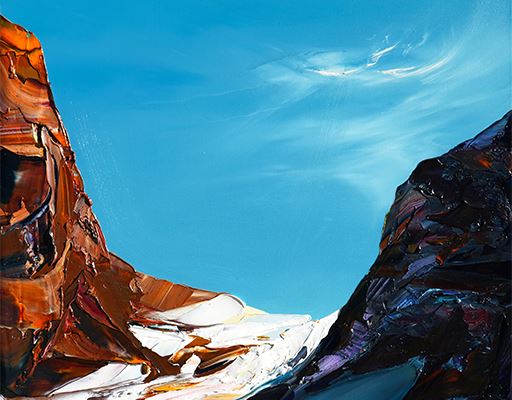
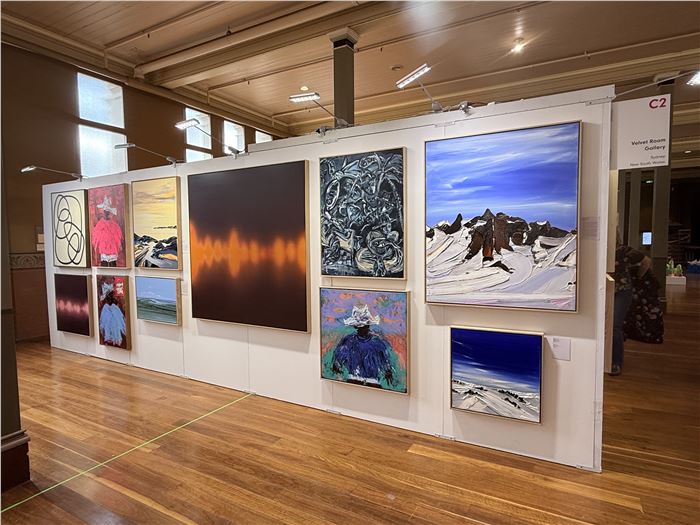
One of the most striking aspects of the 2026 Melbourne edition was the sheer breadth of the participating audience. At the booth hosted by the Velvet Room Gallery, artist and spokesperson Bridie O’Brien anchored a high-volume stand that highlighted the diverse interests of the contemporary buyer. The gallery’s presentation featured a compelling mix of abstract realism landscapes by O’Brien, minimalist compositions by Scott Thomlinson, and tactile, finger-painted iconic figures by Pav Spencer.
The commercial results at the Velvet Room booth were significant, with O’Brien placing 21 original works throughout the four-day event. Pav Spencer followed with 11 sold pieces, while Scott Thomlinson successfully converted intense viewer interest into a series of future commission requests. Perhaps most telling was the demographic spread of these buyers; the booth recorded successful transactions with collectors ranging from 12 to 82 years of age. This multi-generational draw resulted in steady momentum, characterized by three major sales at the AUD$7,000 (approx. USD$5,040) price point, with a high volume of transactions occurring consistently within the AUD$1,000 to AUD$6,000 range (approx. USD$720 to USD$4,320). Following this success, O’Brien was selected as the featured campaign artist for the upcoming November edition of the Affordable Art Fair Sydney, underscoring the influence that these regional events have on the broader national art circuit.
Curated Regional Perspectives and Community Engagement
The Melbourne fair also provided a platform for institutions to showcase regional talent to a wider commercial audience. Marking their inaugural participation, the Victoria-based Melbourne Society of Women Painters & Sculptors (MSWPS)—represented on the floor by Denise Keele-bedford—staged a curated survey of regional female practice that achieved immediate and steady commercial traction.
The collective’s booth featured a sophisticated array of works by Janine Good, Katherine Cosgrove, Keele-bedford, and the esteemed artist Steffie Wallace, who notably celebrated her 80th birthday on-site during the fair. The booth’s focus on established regional talent and high-quality craftsmanship resonated with the public, leading to 35 total artwork placements across the four-day event. The presence of the MSWPS highlighted the vital role that local artist societies play in maintaining the health of the primary market, providing a bridge between regional practitioners and a buying public eager to support local creative output.
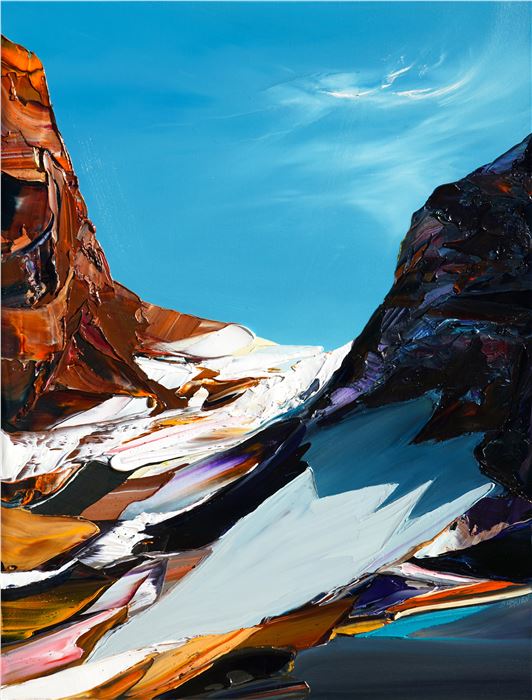
The "Australian Soul" and Market Confidence
For many exhibitors, the energy of the 2026 fair was distinctly higher than in previous years. Artist Lara Scolari, who exhibited under the thematic banner of "Australian Soul," described the 2026 Melbourne staging as the strongest Affordable Art Fair held in Australia to date. Scolari pointed to the exceptional energy and consistent visitation as primary drivers for the fair’s success, noting that the "buzz" on the floor was palpable from the opening day through to the close of the event.
Scolari observed a significant shift in collector behavior, noting that fairgoers—ranging from interior designers and established private collectors to first-time buyers—were eager to spend substantial time in booths. This shift away from "drive-by" viewing toward deep, meaningful engagement allowed buyers to ask questions and discover the narratives behind original Australian contemporary art. This interaction appears to be a key factor in building the market confidence necessary for transactions.
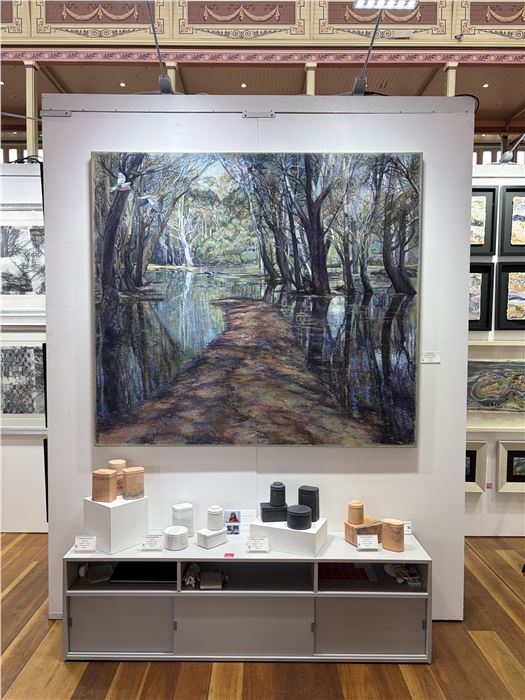
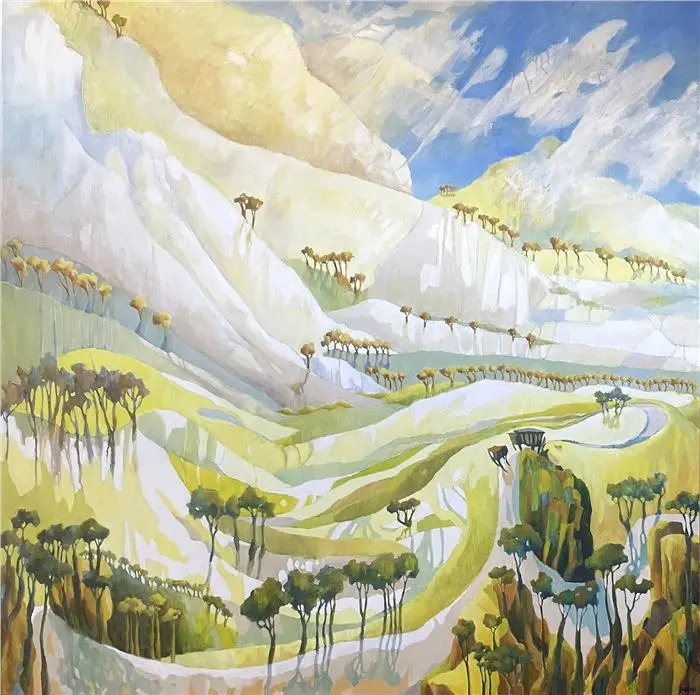
The success of this approach was reflected in the sale of Kakapo Dreaming, a large-scale, green-hued mixed-media abstract that was acquired by a local Melbourne couple for AUD$6,950 (approx. USD$5,000). The fair also served as the launchpad for Scolari’s LINDEN Colour Wave Collection, a series of 12 intimate mixed-media works on 640gsm Italian paper. By offering her signature translucent layering at a more accessible price point, Scolari was able to capture a wide range of collectors, with individual sales in this series ranging from AUD$100 to AUD$6,950. As Scolari noted, price accessibility is a fundamental driver of market growth, and the welcoming, collaborative atmosphere of the fair was instrumental in giving collectors the assurance they needed to commit to a purchase.
Two-Tiered Strategy and Long-Term Sustainability
The ability of galleries to cater to different segments of the market simultaneously was a recurring theme at the 2026 fair. Gallery 11:11, hailing from New South Wales and directed by Melony Kara Smirniotis, implemented a deliberate two-tiered pricing strategy that proved highly effective. By placing "hero" canvases—such as Kristine Ballard’s oil on canvas Where Dreams Dare to Roam and Smirniotis’s own mixed-media work Water, Willow, Light—alongside a "wall of miniatures" featuring works priced under AUD$300 (approx. USD$216), the gallery was able to capture both established collectors and those just beginning their journey into art ownership.
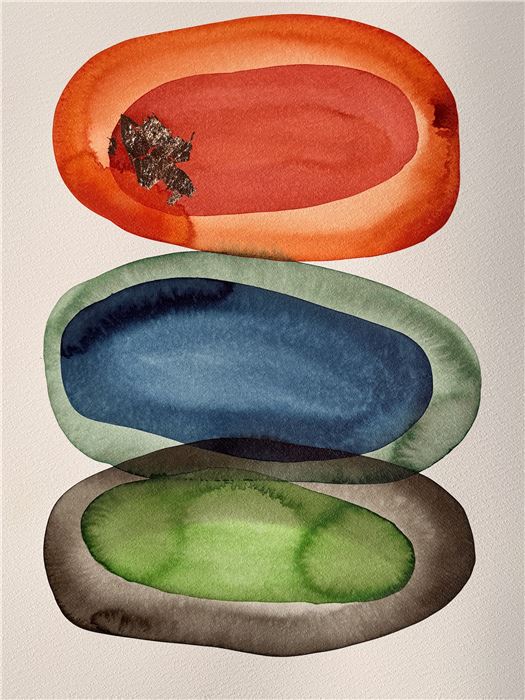
For Gallery 11:11, the opportunity to meet the artists in person acted as the most potent sales tool, bridging the gap between the viewer and the creative process. Returning patrons and new collectors alike engaged with both the small-scale works and the larger, more significant canvases priced between AUD$5,000 and AUD$6,000 (approx. USD$3,600 to USD$4,320). This strategy confirms that when galleries provide a clear, transparent entry point into the market, they are rewarded with consistent sales across all price tiers.
The collective testimony from the Affordable Art Fair Melbourne 2026 illustrates a primary art market that remains structurally sound and highly responsive to commercial strategy. By pairing primary statement works with scaled-down, accessible entry points, galleries were able to engage a diverse audience that might otherwise be intimidated by the complexities of the art trade. The strong transaction velocity observed throughout the weekend demonstrates that while top-tier secondary channels may be experiencing a period of global recalibration, the mid-market art sector—defined by transparent pricing, direct artist connection, and the undeniable appeal of original, tactile art—continues to capture active capital. As the fair concludes, the message for the industry is clear: when the barrier to entry is lowered and the human connection to art is prioritized, the appetite for contemporary work remains as robust as ever.