For homeowners looking to revitalize a tired interior space, the prospect of painting directly over existing wallpaper can feel like an appealing shortcut. Bypassing the notoriously arduous, messy process of steaming, scraping, and stripping old paper—followed by the inevitable wall repairs required before a fresh coat of paint can even be considered—offers a streamlined path to redecoration. However, painting over wallpaper is not a universal solution, and interior design professionals emphasize that success depends heavily on a careful evaluation of the wall’s current condition and meticulous surface preparation.
Before picking up a roller, homeowners must conduct a thorough assessment of the room’s existing wall coverings. The primary prerequisite is that the underlying paper must be in sound structural condition, completely free from rips, tears, or significant surface damage. If the wallpaper is old, heavily damaged, or structurally compromised, attempting to paint over it is generally ill-advised. In such cases, stripping the paper down to the bare wall remains the superior option to ensure long-term durability and an even finish.
Another critical warning sign for DIY renovators is widespread peeling. If wallpaper is beginning to detach from the wall in multiple areas—even if the paper itself is not torn—it indicates that the original adhesive is failing. This loss of adhesion is frequently caused by poor-quality paste during the initial installation or by moisture issues and dampness within the room. Applying paint over failing wallpaper adds weight and moisture, which will almost certainly accelerate the peeling process and ruin the newly painted surface.
However, if peeling is strictly localized to a single, minor area, it may be possible to salvage the wall before proceeding. Homeowners can carefully re-secure loose edges using appropriate wallpaper paste, taking care to press out any trapped air bubbles. Crucially, this repaired section must be allowed to dry completely before any primers or topcoats are introduced.
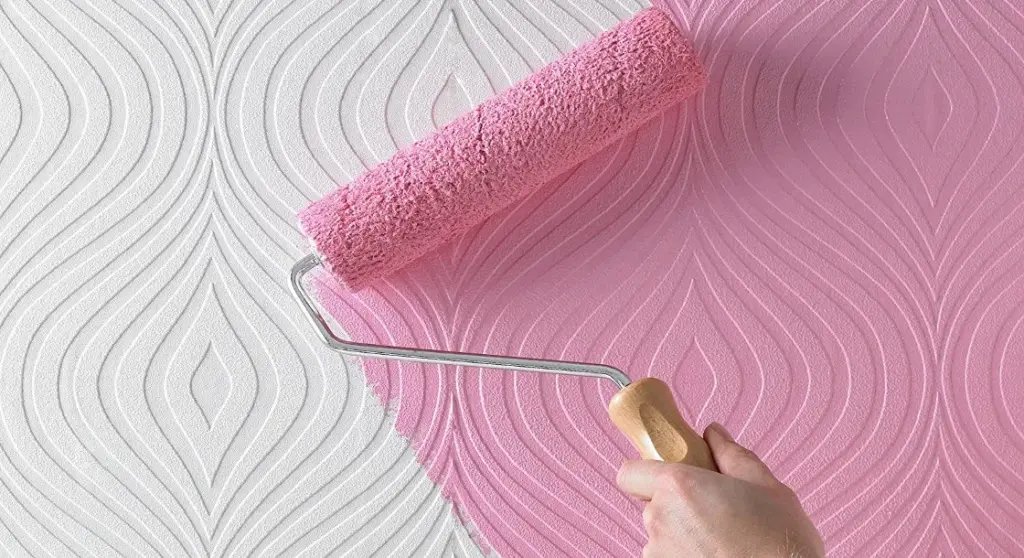
Regarding the aesthetic suitability of different wall coverings, plain and flat wallpapers serve as the best candidates for painting. While it is technically possible to paint over textured or heavily patterned papers, residents must be prepared for the underlying texture to remain visible beneath the new color, which can alter the final look of the room.
Preparing Wallpaper for Painting
Assuming a thorough inspection confirms that the wallpaper is clean, dry, and securely adhered, the preparatory phase before painting is relatively straightforward. Much like any standard painting project, the surrounding environment requires careful setup, including protecting floors and furniture with dust sheets, and applying high-grade decorator’s masking tape to protect baseboards, door frames, and fixtures.
Once the room is properly prepared, attention must shift to the chemical makeup of the products applied to the wall.
Priming Wallpaper for Painting
Even when working with light-colored or unpatterned wallpaper, applying at least one coat of primer is strongly recommended. A quality primer creates a uniform base, helping to achieve a clean, professional finish with the final topcoat while making the patterned or colored paper much easier to mask and cover.
A vital technical consideration during this stage involves the choice of primer. Standard water-based primers can penetrate too deeply into the wallpaper, reactivating the old adhesive and compromising the bond between the paper and the wall. To avoid this common pitfall, experts advise using an oil-based primer or a specialized sealer, such as an all-in-one primer designed specifically to lock down problematic surfaces and prepare wallpaper for a fresh coat of paint.
Professionals typically recommend applying one to two thorough coats of primer, ensuring each layer dries completely before moving forward with the renovation project.

How to Paint Over Wallpaper
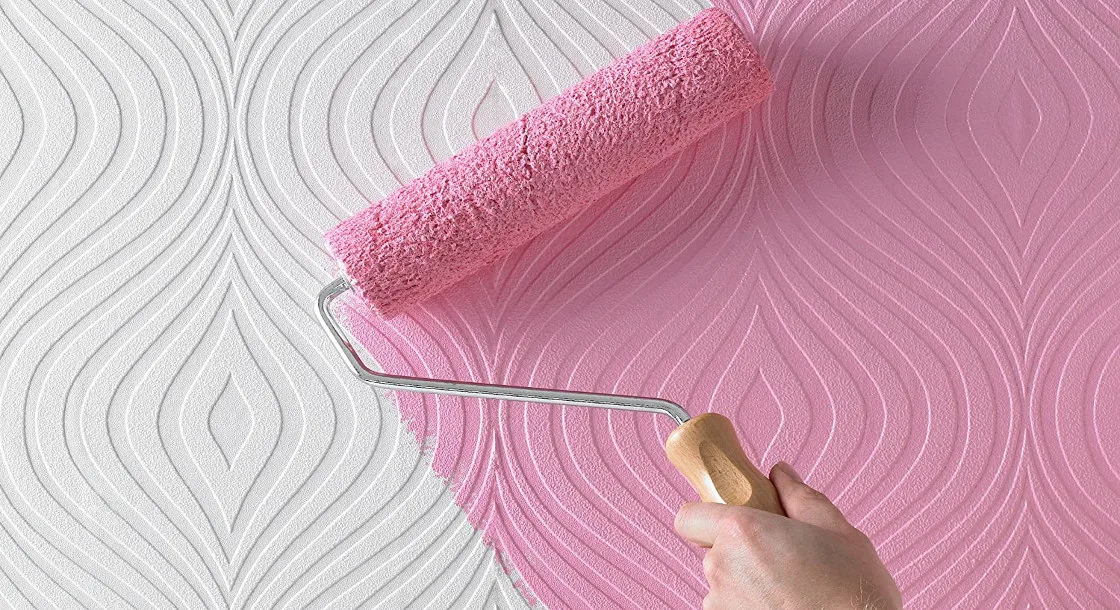
With the priming phase successfully completed and fully cured, homeowners can proceed to select their preferred topcoat color and finish. Painting over primed wallpaper follows standard interior painting techniques, using brushes and rollers to apply the paint evenly across the prepared surface, building up rich color and complete coverage in steady, overlapping strokes.
Problems With Painting on Top of Wallpaper
While proper planning and careful execution generally yield successful results, painting directly over wallpaper can occasionally present unique challenges. Fortunately, most of these issues can be mitigated or corrected with minor adjustments and a bit of patience.
One common issue arises from the natural behavior of wallpaper as it dries and ages. If wallpaper strips were not installed with tight seams, or if the paper shrank slightly as the original adhesive dried, thin gaps may appear between the sheets. While these minor gaps do not automatically ruin a painting project, they cannot be ignored if a flawless finish is desired.
Assuming the surrounding wallpaper remains firmly attached to the wall, standard wall filler can be utilized to bridge the gaps between sheets. Interior specialists recommend performing this corrective step after the primer has been applied and allowed to set. Once the filler is completely dry, it must be meticulously sanded down so that it sits perfectly flush with the level of the adjacent paper. Because any raised filler will stand out prominently once painted over, taking the extra time to achieve a smooth, level surface is essential for a polished final result.