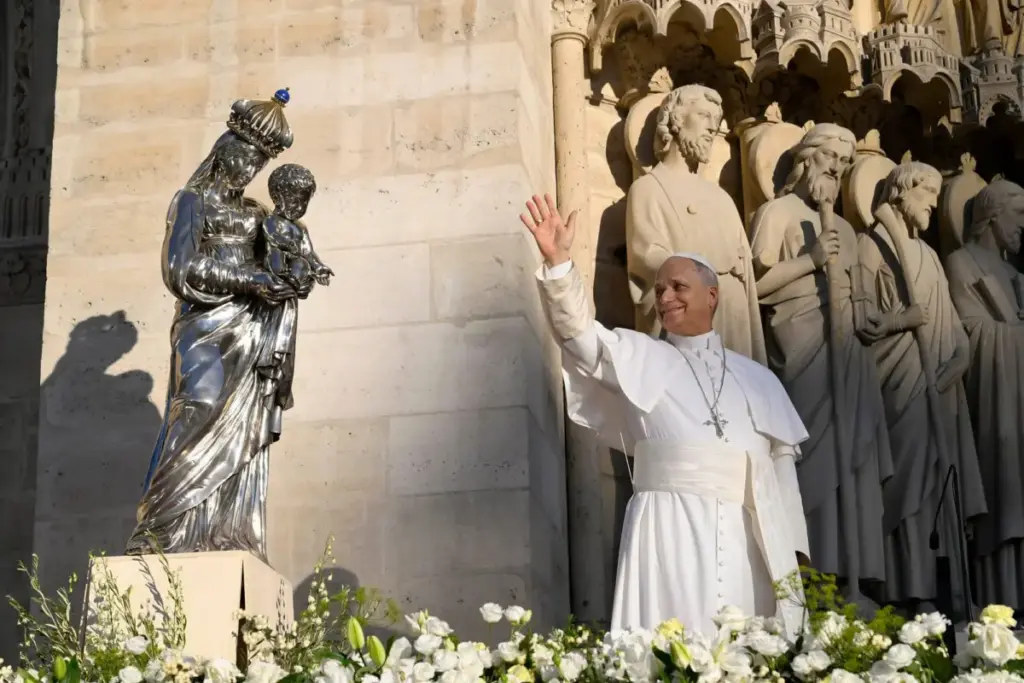
VATICAN CITY — In a forceful address that bridged spiritual tradition with contemporary anxieties over technology, Pope Leo XIV declared on Friday, October 2, that the Catholic Church is renewing its historic alliance with artists and cultural institutions to safeguard human creativity from the encroachment of artificial intelligence.
Speaking before an audience of international artists, curators, and cultural leaders gathered at the Vatican’s Consistory Hall, the pontiff drew a sharp, fundamental distinction between human artistic expression and content generated by automated systems. The high-profile gathering, titled "The Art of Possibility: Weaving Together," was organized by the Dicastery for Culture and Education against a backdrop of mounting global concern over censorship, algorithmic homogenization, and the rapid rise of generative AI tools across the creative industries.
"There is an ontological difference — even before an aesthetic one — between art and what a machine can generate through statistical calculation based on millions of images created by others," Pope Leo XIV stated during his address.
The Pope’s remarks build upon a growing dialogue between the Holy See and the contemporary art world, a relationship that has increasingly taken center stage at major international cultural events. Earlier this year in May, legendary artist and musician Patti Smith inaugurated the Holy See Pavilion at the Venice Biennale. Utilizing an immersive sound installation, Smith’s work served as a spiritual guide for visitors, prompting audiences to listen, contemplate, and recognize that human intellect—rather than artificially generated computation—remains paramount to personal, emotional, and spiritual enrichment.
That sentiment, emphasizing the irreplaceable nature of human consciousness, echoes deeply within the Vatican’s current cultural doctrine. Drawing upon the phrase "The Ear is the Eye of the Soul," which serves as the thematic title for this year’s Vatican pavilion, the Pope elaborated on the unique capacity of art to channel the deepest aspirations and struggles of humanity.
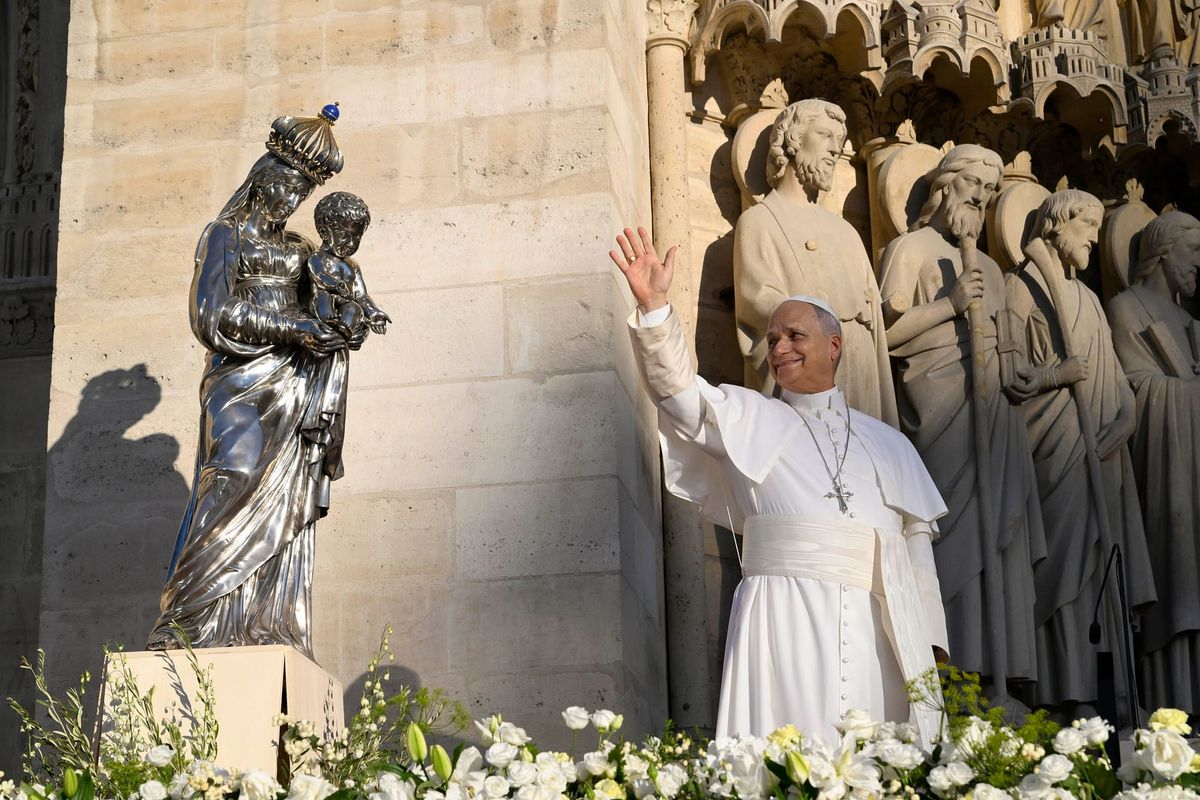
"Like an antenna, art is receptive to the great questions of the human heart — sometimes like a cry, more often like a whisper — and makes them audible, visible, and shareable," the pontiff said.
Central to the Pope’s address was a direct critique of the philosophical limitations of technology. Warning against the erosion of genuine cultural expression in an era dominated by digital automation, he underscored that technological speed and performance metrics cannot substitute for human experience.
"Algorithms lack the spark of the human, whereas authentic culture and art preserve this spark," the Pope noted, explicitly quoting from his foundational encyclical letter, Magnifica Humanitas, which was published earlier this May. The encyclical cautions humanity against the uncritical adoption of artificial intelligence, asserting that true societal and personal progress cannot be measured by cold efficiency or technological speed, but must instead be rooted in human empathy, vulnerability, and genuine connection.
The Vatican’s renewed commitment to artists comes at a critical juncture for the global cultural sector. As generative artificial intelligence models increasingly flood the market with synthetic images, texts, and music trained on the uncompensated labor of human creators, artists and institutions alike have voiced profound concerns regarding copyright, cultural erasure, and the devaluation of artistic labor. By positioning the Catholic Church as a staunch defender of human exceptionalism in art, Pope Leo XIV aims to fortify a cultural resistance against what many critics describe as a wave of sterile, machine-driven homogenization.
Friday’s convening at the Consistory Hall brought together numerous figures from the contemporary art sphere, including several creators who have contributed directly to the Vatican’s recent exhibition initiatives. By fostering this ongoing partnership between the Holy See and the global creative community, the Vatican seeks to ensure that the vital questions of the human heart continue to find expression through the irreplaceable spark of human hands and minds.