The 2026 edition of POSITIONS Berlin Art Fair unfolded this year against a complex backdrop of deliberate collector selectivity and broader macroeconomic recalibration affecting European primary art markets. Staged within the sprawling industrial setting of Tempelhof Airport’s Hangars 5 and 6, the fair arrived during the frenetic, schedule-heavy peak of Berlin Art Week. In this environment, POSITIONS functioned less as a high-octane trading floor and more as a crucial diagnostic indicator for the health of mid-tier and emerging galleries, which currently find themselves navigating a landscape defined by cautious, considered expenditure rather than the impulsive acquisitions of previous years.
While the global art market’s high-level blue-chip capital naturally gravitated toward larger, concurrent institutional events and international fairs, POSITIONS maintained a clear, dedicated focus on regional private collectors, emerging buyers, and institutional curators. These groups were actively seeking fresh voices and distinct aesthetic viewpoints rather than investment-grade name recognition. The buying energy across the fair floor reflected a distinct, bifurcated rhythm: quiet, introspective opening days that allowed for deep engagement, followed by a surge of concentrated traffic over the weekend. Throughout the event, trade was anchored by a robust appetite for sculptural installations and contemporary works that remained accessible in terms of both price point and conceptual entry.
Dealer Perspectives and Booth Highlights
For young galleries aiming to establish an international footprint, POSITIONS served primarily as a vital visibility engine—a platform for long-term brand building rather than a venue for immediate, high-volume sales.
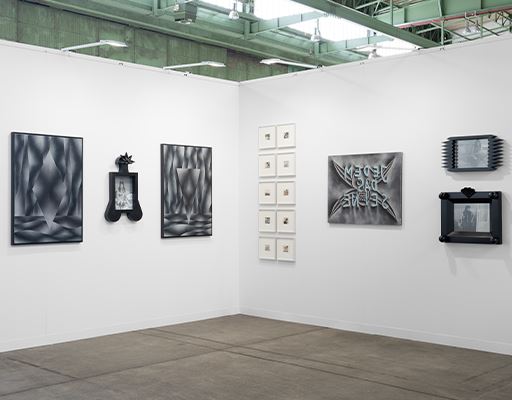
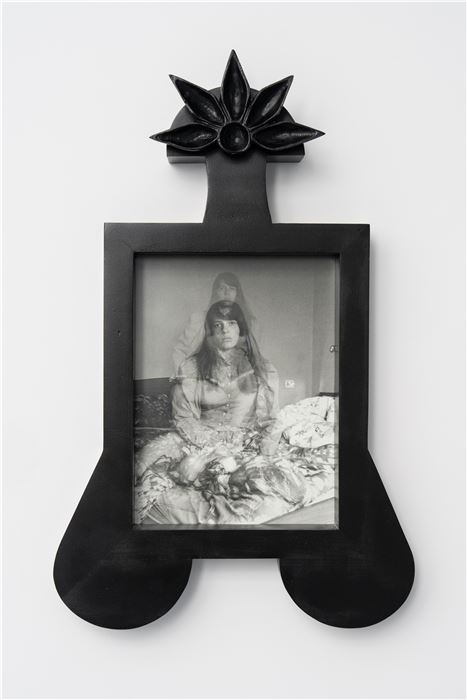
Bucharest-based ARSMONITOR, for instance, utilized its inaugural participation at the fair to execute a deliberate international growth strategy. Gallery Director Lina Țărmure curated a sophisticated dialogue that paired the emerging photographic artist Eva Chapkin with the established painter Gili Mocanu. The juxtaposition served to ground the booth in both structural weight and ethereal focus. Chapkin’s photographic objects, characterized by their striking black frames, emerged as the booth’s most significant commercial driver. Complementing these works, Mocanu’s black-and-white canvases provided a sense of gravitas and compositional balance. Despite a wider market sentiment suggesting a cooling period, Țărmure observed that the engagement from serious German collectors and key institutional contacts validated the gallery’s decision to pursue this international expansion at this specific moment.
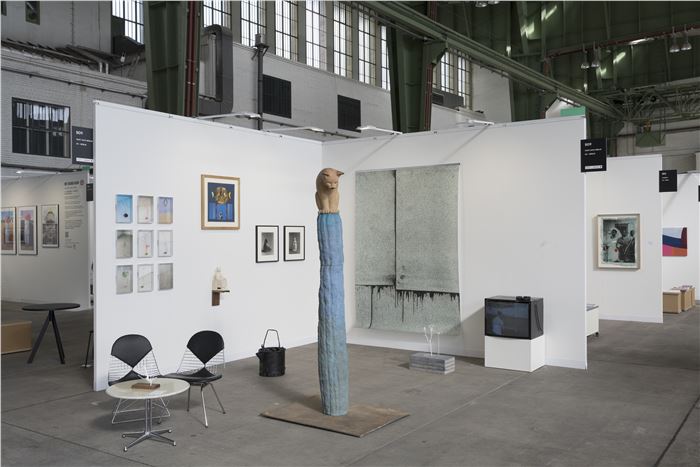
In a similar operational shift, the Berlin-based gallery Paint Shop used its first-time participation to effectively bridge the gap between its local programming at Hasenheide 12 and the visiting international curator community. Partner and Co-Director Lukas Fritze noted that the booth attracted a diverse audience, ranging from casual art enthusiasts to seasoned collectors and high-level institutional representatives. Visual engagement was particularly strong around Anna Herms’ 230-centimeter ceramic sculpture, A Questionable Refuge, which depicted a bobcat perched atop a cactus, serving as a focal point for the booth. The gallery’s commercial success was further bolstered by Jane Garbert’s Anabeki and Allies series. By employing a boro-glass technique to craft intricate, hyper-realistic floral arrangements and weeds—including poppies, dandelions, and thistles—Garbert generated steady collector interest. This success has provided the gallery with essential commercial momentum ahead of planned 2027 solo exhibitions for both artists.
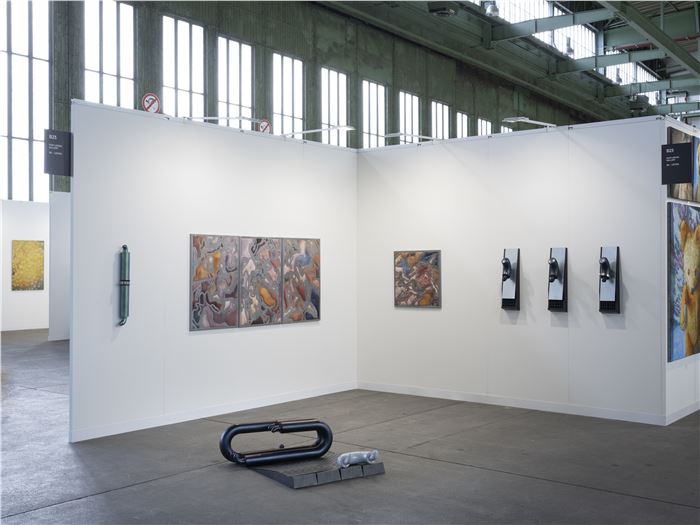
This focus on material tactility found a distinct parallel at Raw Lemon Gallery, where Manager, art historian, and curator Lara Popp directed a presentation centered on structural steel and the exploration of industrial surfaces. The booth paired Emilie Houldsworth’s Liquid Love series—a collection of hybrid wall works that seamlessly combine velvet, steel, and digital imagery—with Len Bay’s toy boy series. Bay’s work, which reconfigures male-coded car tuning aesthetics into phallic, sculptural forms, marked a significant milestone; the artist’s transition from the fair’s "Academy Positions" section to full gallery representation underscored the fair’s capacity to serve as an effective incubator for emerging talent. For Popp, the positive reception at POSITIONS was a welcome indicator of success, reinforcing the gallery’s broader growth trajectory following its recent expansion into a new 130-square-meter exhibition space in the city.
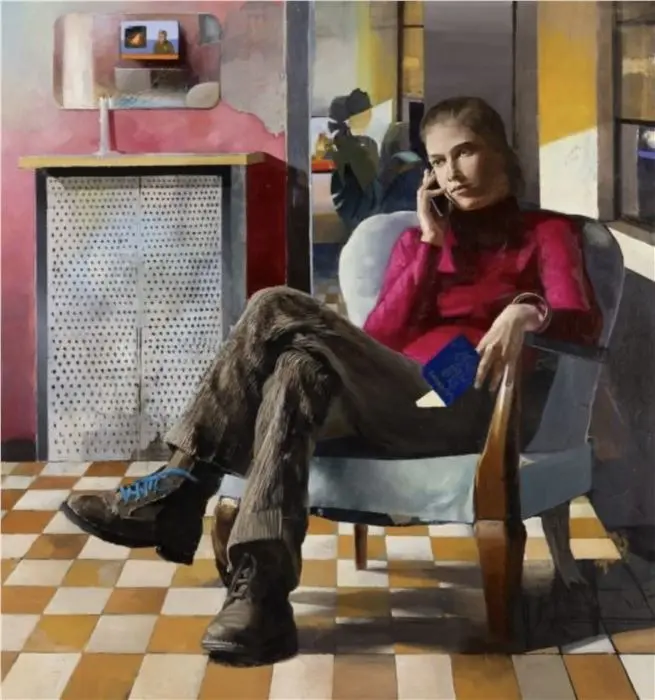
However, navigating the logistical complexities of Berlin Art Week remains a challenge for many exhibitors. Bernd Reichert, owner of C&B Reichert Galerie, offered a more critical assessment of the local market dynamics. Reichert noted a quiet progression throughout the week, punctuated only by a busy Sunday, which saw an influx of younger visitors drawn by the parallel Fashion Positions program. The gallery’s main attraction, Nena Cermak’s FLOURISHA installation—which integrated sculpture, textiles, and live weekend performances—generated significant public interest, as did Matthias Gálvez’s realistic figurative painting, Ausreisebestimmungen (Exit requirements). Despite this, Reichert noted a recurring friction: visitor numbers at his permanent gallery space during Thursday’s "Gallery Night" actually exceeded the traffic on the fair floor, illustrating the ongoing challenge of competing with the numerous satellite events that pull the audience away from the central fair venue.
Strategic Industry Outlook
The field reports gathered from POSITIONS Berlin 2026 highlight a fundamentally shifting primary market. It is a landscape where physical art fairs are increasingly being evaluated by galleries on their capacity for strategic positioning rather than their immediate transactional volume. For emerging and mid-sized galleries, participation has become a hybrid mechanism: it serves as both a visibility engine to secure crucial institutional placement and a touchpoint to seed the long-term collector relationships that sustain a gallery through leaner cycles.
As international collector attendance continues to fluctuate in response to increasingly packed and overlapping global event calendars, galleries are adapting their models. They are moving away from the "all-in" fair strategy and instead leveraging their presentations to support broader programming, post-sale pipelines, and intensive digital follow-ups.
The sustained collector demand for distinct materiality—ranging from the precision of boro glass and the industrial grit of structural steel to the fluid nature of performative textiles—underlines a broader market preference for tangible craftsmanship in an increasingly digitized world. These material-forward works offer a tactile connection that appears to resonate with collectors who are currently favoring deliberate, thoughtful acquisitions. Moving forward, the resilience of the gallery sector will likely depend on a delicate balancing act: maintaining the momentum of local, site-specific gallery programming while simultaneously engaging in the carefully calculated, selective international exposition that fairs like POSITIONS provide. As the 2026 edition concludes, it serves as a reminder that even in a climate of economic caution, there remains a persistent, sophisticated appetite for art that challenges, engages, and endures.