This week in the art world, the industry navigated a complex landscape of institutional survival, major corporate shifts, and the somber loss of a visionary dealer. From the successful resolution of a high-stakes funding battle in Amsterdam to the legal tremors shaking the world of digital imagery, the headlines have once again highlighted the volatility and resilience inherent in the art ecosystem.
In the Spotlight: Institutional Stability and Corporate Shifts
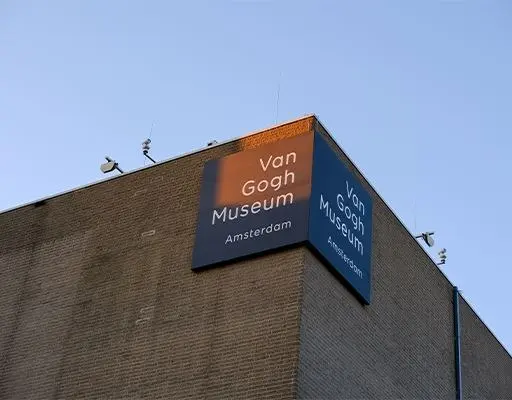
The most significant sigh of relief this week emanated from the Netherlands, where the Van Gogh Museum has officially averted a potential crisis. Following a protracted, years-long dispute, the iconic Amsterdam institution announced it has reached a definitive funding agreement with the Dutch government. The museum had been in an increasingly urgent standoff, pressing officials for a substantial increase in its annual subsidy. According to museum leadership, these funds were not merely for operational maintenance but were vital for necessary renovations to the facility, which houses the world’s most extensive collection of Vincent van Gogh’s works. The resolution of this funding gap ensures that the museum can continue its mission without the threat of closure, preserving one of the most visited cultural landmarks in the world.
While the Van Gogh Museum secured its future, a different narrative unfolded in the digital sphere. Getty Images, the titan of image licensing that manages a staggering archive of more than 477 million assets, has filed for Chapter 11 bankruptcy. This development marks a dramatic turn for the company, which had been attempting to navigate a transformative $3.7 billion merger with its primary rival, Shutterstock. The deal, which was intended to consolidate the industry’s two most powerful players, ultimately collapsed due to insurmountable regulatory roadblocks. The subsequent bankruptcy filing reflects the immense pressure on legacy media companies in an era of rapid digital evolution and shifting market dynamics.
On the front of cultural restitution and security, there was a positive breakthrough in France. The Renoir Museum successfully recovered two of its stolen paintings, which had been taken during a brazen pre-dawn raid that had left the art world reeling. The return of these two works—valued at approximately $10.5 million—serves as a reminder of the ongoing challenges museums face in securing their collections. The recovery of these masterpieces is a significant victory for the institution, which can now return the pieces to public view after what was undoubtedly a harrowing ordeal for the curatorial and security staff involved.
Fairs and Biennials: Challenges and New Beginnings
The international circuit for art fairs and biennials, a vital artery for the global art market, is currently seeing a mix of contraction and growth. In Pakistan, the Karachi Biennale has officially announced the cancellation of its fifth edition, citing "war conditions." This decision, which is reportedly set to impact the schedule for January 2027, has sent ripples through the international art community. The move was met with internal controversy, as reports suggest the cancellation was executed without the input or consultation of the biennale’s curator, Noor Ahmed. The abrupt nature of the decision underscores the precarious position of large-scale cultural events when situated in regions grappling with significant geopolitical instability.
Conversely, the landscape in Europe is expanding. Prague is set to host its first-ever international contemporary art fair next spring. Titled "Prague Contemporary," the inaugural event is scheduled to take place at the historic Industrial Palace in Výstaviště Praha. The launch signals a growing ambition within the Czech capital to cement its status as a key destination in the European art market. Organizers hope that by establishing this international platform, they can bridge the gap between regional Eastern European talent and the broader global art market, providing a new venue for collectors and curators to discover contemporary works at the end of April.
Museums, Galleries, and the Evolving Market
The commercial gallery sector is experiencing a period of transition, marked by both leadership changes and a push for more transparent business practices. In New York, the independent gallery scene saw a notable shift as the Lubov gallery announced new ownership following the untimely death of its founder. The gallery, which has long been a fixture of the city’s experimental art scene, will now be helmed by Mode Bonafilia and Kristen Wasik. The transition represents a commitment to continuing the gallery’s legacy while adapting to the demands of a new era in the New York market.
Simultaneously, the industry is increasingly turning to technology to address long-standing systemic issues. A new AI-driven tool has been launched with the specific goal of analyzing and revealing the gender balance within gallery representation. The creator of the application argues that the art world can no longer afford to ignore the disparity in how female artists are treated. By providing data-backed insights, the founder believes that galleries—particularly those struggling to remain relevant or profitable—could boost their fortunes by intentionally diversifying their rosters and, in turn, attracting a broader demographic of collectors, particularly female collectors who have historically been underserved by the traditional gallery model.
A Legacy Lost: Remembering Peter Nagy
The art world is mourning the passing of Peter Nagy, the influential founder of the Nature Morte gallery, whose death marks a profound loss for the contemporary art market, particularly in India. Nagy was widely credited with being a transformative figure in the Indian art scene, having established a gallery that served as a critical platform for emerging talent during a pivotal moment of growth for the market. By fostering the careers of some of India’s most successful and globally recognized artists, Nagy helped shape the aesthetic and commercial trajectory of the region’s contemporary output. His influence extended beyond the walls of his gallery, as he acted as a mentor, a critic, and a catalyst for the internationalization of Indian contemporary art. His passing has triggered an outpouring of tributes from artists, collectors, and fellow dealers who credit him with building the professional foundations upon which much of the modern Indian art market now rests.
Recognition and Achievement: The Robson Orr TenTen Award
Amidst the week’s varied developments, there was a moment of celebration for British contemporary art. Louise Giovanelli has been named the recipient of the prestigious Robson Orr TenTen Award for 2026. The annual award, presented by the Government Art Collection, recognizes an artist whose work demonstrates exceptional vision and cultural relevance. As part of the honor, Giovanelli’s new print, titled Media Luna, has been acquired for the collection. The work will be prominently displayed in British government buildings and embassies around the world, serving as a representative piece of contemporary British creativity on the global diplomatic stage. This award not only highlights Giovanelli’s individual success but also underscores the role of state-supported art initiatives in promoting the work of living artists to a global audience.
As the week draws to a close, these stories collectively map the pulse of the art world—a sphere where the survival of a national treasure in Amsterdam, the financial collapse of an image-licensing behemoth, the tragic loss of a visionary dealer, and the recognition of emerging talent all exist within the same interconnected ecosystem. Each headline, from the recovery of stolen Renoir paintings to the launch of a new fair in Prague, reflects the ongoing struggle to balance preservation, commerce, and creative progress in an increasingly complex and globalized cultural environment.