The past seven days have been a whirlwind for the international art community, characterized by a mix of institutional relief, corporate instability, and the tragic loss of a significant visionary. From the secured future of one of the world’s most visited museums to the unexpected insolvency of a global media giant, the art world continues to navigate a complex landscape of finance, heritage, and cultural programming.
In the Spotlight: Stability and Crisis
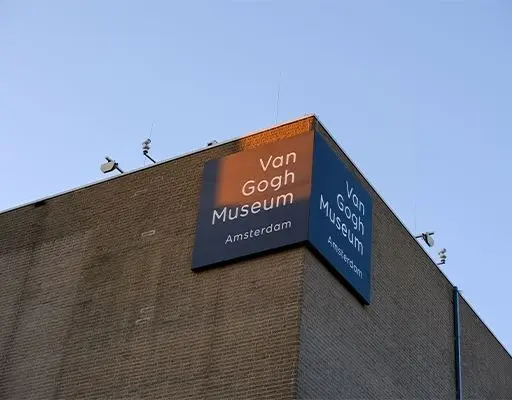
The most significant news for the museum sector emerged from Amsterdam, where the Van Gogh Museum has successfully averted a looming crisis. For years, the institution has been locked in a tense dialogue with the Dutch government, arguing that its annual subsidy was insufficient to cover the mounting costs of essential renovations and infrastructure upkeep. The threat of closure had hung over the museum like a dark cloud, casting doubt on the future of a collection that serves as a cornerstone for global art tourism and scholarship. Following intense negotiations, the museum confirmed this week that a new funding deal has been reached. This agreement ensures that the institution will receive the necessary financial support to continue its operations and proceed with critical facility upgrades, effectively safeguarding one of the world’s most precious collections of post-impressionist art for future generations.
In a stark contrast to the museum world’s stability, the corporate side of the art industry has been shaken by a major bankruptcy filing. Getty Images, the titan of digital asset licensing, has officially filed for Chapter 11 bankruptcy. The filing comes in the wake of a collapsed merger deal with its primary rival, Shutterstock. The transaction, valued at approximately $3.7 billion, was abandoned following significant regulatory hurdles that made the integration of the two giants untenable. With a library containing over 477 million assets, Getty Images has long been a foundational tool for journalists, researchers, and art historians. The implications of this bankruptcy for the licensing industry and the millions of photographers and artists whose work is managed by the firm remain to be seen, though the development marks a seismic shift in the digital landscape of imagery.
Elsewhere in the news, the art world celebrated a rare victory in the fight against cultural property crime. The Renoir Museum has confirmed the recovery of two stolen paintings, valued at an estimated $10.5 million. The works, which had been taken during a brazen pre-dawn raid, have finally been returned to the institution. The recovery serves as a poignant reminder of the ongoing vulnerability of public collections and the dedicated efforts required by law enforcement and cultural heritage agencies to track down stolen masterworks that are often targeted by high-level art thieves.
Fairs and Biennials: Challenges and New Beginnings
The global circuit of art fairs and biennials is currently experiencing a period of volatility, defined by both abrupt cancellations and the birth of new platforms. In Pakistan, the Karachi Biennale has announced the cancellation of its fifth edition, which was scheduled to take place in early 2027. Organizers cited “war conditions” as the primary reason for the decision to pull the plug. The announcement has sparked considerable internal controversy, as reports indicate that the decision was made without the consultation or input of the biennale’s curator, Noor Ahmed. This lack of communication highlights the precarious nature of organizing large-scale cultural events in regions affected by geopolitical instability, where the safety of participants and the logistics of international programming are often subject to sudden, drastic changes.
Conversely, the European art calendar is set to expand next spring with the launch of a new fixture in the Czech Republic. Prague Contemporary is poised to make its debut at the historic Industrial Palace in Výstaviště Praha. As the Czech Republic’s first international contemporary art fair, the event aims to position Prague as a central hub for the Central European art market. By choosing the Industrial Palace—an iconic architectural landmark—as its venue, the fair hopes to draw an international roster of galleries and collectors, signaling a renewed confidence in the region’s growing influence within the contemporary art market.
Museums and Galleries: Transitions and Data-Driven Shifts
The gallery sector in New York City is undergoing a notable leadership transition following the untimely passing of the founder of the Lubov gallery. In an announcement this week, the gallery introduced Mode Bonafilia and Kristen Wasik as its new owners. The transition marks a new chapter for the space, which has been a fixture in the local art scene. The appointment of new leadership is expected to maintain the gallery’s reputation while providing fresh momentum as it moves forward without its original founder.
Technological innovation continues to infiltrate the gallery world, this time with a focus on gender equity. A new artificial intelligence tool has been launched, designed to analyze and reveal the gender balance within gallery programs. The app’s founder argues that many galleries are currently struggling to capture a modern, diverse audience and that those who fail to represent women artists—or who neglect the growing demographic of female collectors—are missing out on significant economic opportunities. By providing transparent data on representation, the developer hopes to nudge the industry toward more equitable programming, suggesting that social responsibility and financial success are increasingly linked in the modern art economy.
Obituary: The Loss of a Visionary
The art world is mourning the death of Peter Nagy, the founder of the influential Nature Morte gallery. Nagy was a pivotal figure who played a transformative role in the development of the Indian contemporary art market. As both an artist and a dealer, he possessed a unique ability to bridge the gap between traditional aesthetics and the cutting edge of contemporary practice. Over the course of his career, he was instrumental in launching the careers of many of India’s most successful and globally recognized artists. His passing is seen as a significant loss to the international art community, as his work in Delhi and beyond fundamentally changed how the world perceived and engaged with Indian contemporary art. His legacy lives on through the countless artists he mentored and the vibrant market he helped build from the ground up.
Awards and Recognition
The UK’s artistic landscape received a boost this week with the announcement of the 2026 Robson Orr TenTen Award. The recipient, British artist Louise Giovanelli, was honored for her outstanding contributions to contemporary painting. The award, presented by the Government Art Collection, carries a distinct prestige; as part of the prize, Giovanelli’s new print, Media Luna, will be acquired for the national collection. This work will subsequently be displayed in British government buildings and embassies across the globe. The award serves as a significant milestone in Giovanelli’s career, placing her work in a position of cultural diplomacy and ensuring that her practice is represented within the institutional fabric of the British state.
These developments, ranging from the securement of heritage in Amsterdam to the tragic passing of a market pioneer, underscore the multifaceted nature of the art world. As the industry looks toward the next year, it remains caught between the demands of economic survival, the necessity of social equity, and the enduring importance of preserving and promoting creative expression. Whether through the lens of a newly launched fair in Prague or the analytical gaze of AI, the art world continues to evolve, reflecting the broader tensions and triumphs of the society it inhabits.