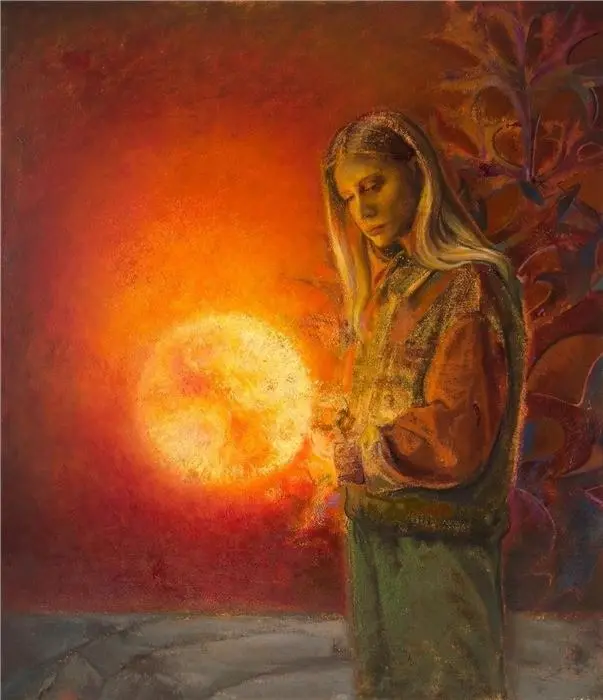
In an era defined by the relentless glow of screens, the rapid-fire succession of algorithmic feeds, and the increasingly pervasive influence of artificial intelligence, one might be tempted to wonder if the traditional medium of painting has finally lost its relevance. Every day, the average person is bombarded by thousands of digital images—fleeting, ephemeral, and optimized for instant consumption via social media platforms, online marketplaces, and virtual reality interfaces. Digital technology has fundamentally revolutionized the way art is conceived, disseminated, viewed, and acquired. Yet, despite these seismic shifts in the cultural landscape, painting remains a dominant, influential, and highly sought-after form of contemporary art. It continues to command the attention of critics, curators, and collectors alike, proving that its longevity is not merely a byproduct of nostalgia, but a testament to its unique, irreplaceable position in human expression.
Riana Raouna, a curator, art advisor, and the founder of RIANA RAOUNA Gallery, posits that the continued vitality of painting is rooted in its capacity to offer something the digital image fundamentally cannot: material presence, emotional depth, and a sense of contemplative permanence. Painting does not need to "resist" the digital age to remain relevant; rather, it thrives by providing a necessary counterpoint to the speed and immateriality that characterize modern life.
The Material Presence of the Painted Surface
The most immediate distinction between a digital image and a painting lies in its physicality. A digital file, no matter how high its resolution, is a projection of light—an image without a body. A painting, by contrast, is a physical object that exists within the same three-dimensional space as the viewer. Its surface is a historical record, bearing the undeniable traces of the artist’s process: the pressure of the brush, the texture of the impasto, the layering of glazes, and the evidence of revisions made over time.
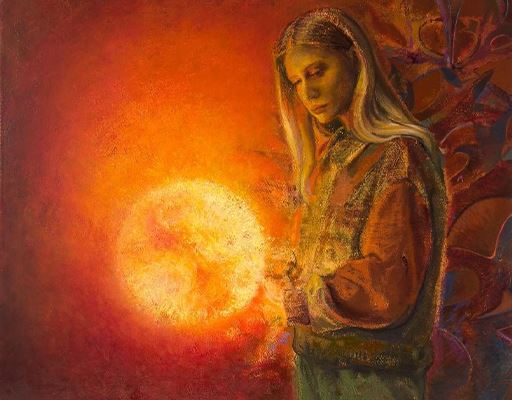
When a viewer stands before a physical canvas, they encounter a scale and a play of light that no screen can replicate. The sensory experience of observing the thickness of oil paint or the subtle variations in a brushstroke creates an embodied encounter that fosters a deeper connection between the viewer and the work. Recent research in neuroscience and aesthetics suggests that physical artworks engage the brain’s perceptual and emotional centers in ways that differ significantly from the consumption of reproduced digital imagery. By encouraging a slower, more deliberate mode of viewing, physical paintings demand a level of sustained attention that is increasingly rare in our culture of immediate gratification.
Slowness in an Age of Acceleration
Our current digital culture is built on the architecture of speed. Content is scrolled past in fractions of a second, liked, shared, and promptly discarded. In this environment, painting operates according to a different temporal logic. Both in its creation and its reception, painting demands time. Complex figurative works or abstract compositions often require a period of "unfolding," where the viewer’s understanding of the piece develops gradually through sustained observation rather than the instant recognition required by digital media.
This "slowness" is perhaps the most valuable currency in contemporary art. Unlike a digital image, which is consumed in a single, glance-based transaction, a painting functions as a living partner. It reveals new relationships of color, form, and emotional resonance each time it is visited, rewarding the viewer for their commitment. By inviting the observer to pause, painting acts as a restorative force against the frantic pace of the modern world, offering a space for reflection that is inherently at odds with the transient nature of digital content.
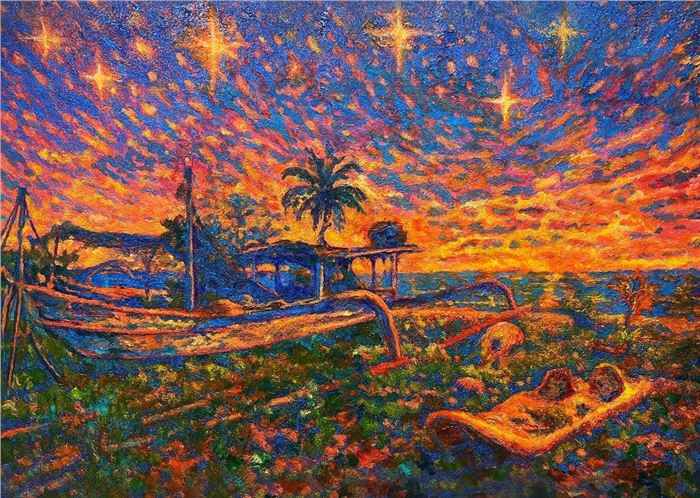
Emotional and Psychological Depth
For centuries, painting has served as the primary vehicle for expressing the complexities of the human interior. From the raw psychological intensity of Edvard Munch to the meditative, transcendental color fields of Mark Rothko, painting has long been the medium of choice for articulating that which defies verbal explanation. Today’s contemporary artists continue this tradition, utilizing the medium to explore themes of identity, ecological crisis, displacement, and the intricacies of human memory.
While artificial intelligence and sophisticated software can generate visually stunning images or mimic the stylistic hallmarks of famous masters, the significance of a painting remains anchored in the human connection between artist, process, and viewer. A painting carries the "weight" of human decision-making—the uncertainty, the struggle, and the eventual resolution found through embodied labor. Contemporary art theorists increasingly argue that this process is a carrier of meaning in its own right. The visible evidence of a correction or the hesitation of a line on a canvas communicates a level of authenticity and vulnerability that the polished, often sterile perfection of digital rendering cannot achieve.
The Significance of the Artist’s Hand
The rise of generative AI has sparked a global debate regarding the nature of creativity and the future of authorship. As machines become increasingly capable of producing convincing visual outputs, the value of the "artist’s hand" has actually increased in cultural significance. Throughout history, the trace of the human hand has been synonymous with individuality and presence. Even in highly technical or controlled painting styles, micro-variations persist—these are not technical flaws, but records of human attention and bodily engagement.
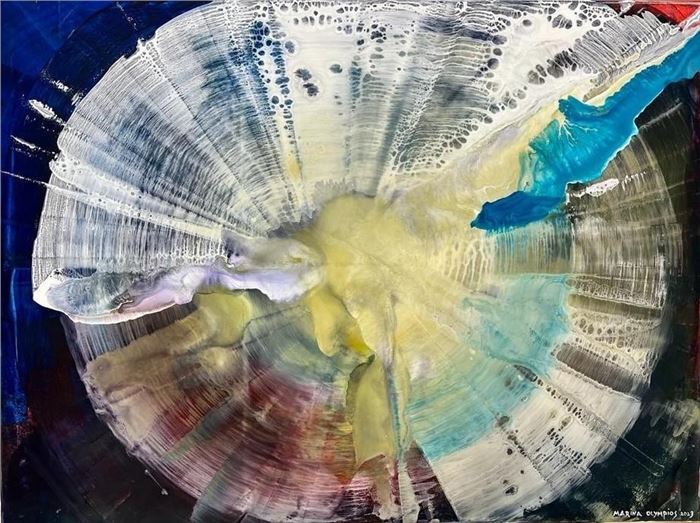
Scholar Richard Sennett, in his seminal writings on craftsmanship, argues that manual making involves a form of "tactile intelligence" that cannot be fully reduced to binary code or computation. The painter’s practice is a constant, ongoing dialogue with their materials: responding to the drying time of oil, the resistance of the linen, the impact of gravity, and the unpredictable nature of pigments. This responsiveness is essentially dialogical, rather than algorithmic. As we enter a future saturated with synthetic, machine-generated images, the painting stands as a vital piece of evidence for human intention and effort.
The Continued Centrality of Painting
Critics have predicted the "death of painting" since the invention of the camera in the nineteenth century, and again with the emergence of conceptual art, video installations, and new media. Yet, time and again, the medium has proven its resilience, consistently reinventing itself to remain at the forefront of contemporary discourse. Major international biennials and art fairs continue to feature painting as a core pillar of their programming. Contemporary masters such as Julie Mehretu, Peter Doig, and Salman Toor demonstrate that painting is not an isolated, archaic practice, but one that is deeply entangled with contemporary politics, architectural theory, and global culture.
Interestingly, many contemporary painters are now adopting a hybrid approach, incorporating digital processes into their work. They may use screenshots, 3D modeling software, or AI-generated sketches as the foundation for their creative process, only to translate these digital inputs into the physical realm of canvas and pigment. This hybridity confirms that painting is not in opposition to the digital age; it is actively absorbing and transforming the digital visual landscape.
Why Collectors Continue to Seek Paintings
The art market provides further proof of the enduring relevance of the medium. While trends in the art world are notoriously fickle, painting remains a dominant category in both the primary gallery market and the secondary auction market. Collectors are driven by motivations that go well beyond simple investment or market speculation. A painting’s presence in a home or public space fundamentally alters the atmosphere of that environment in a way a digital screen cannot.
Many collectors seek a deep, personal relationship with their acquisitions—a desire for a unique object that reflects their own identity and values. In an age where digital collectibles and NFTs exist as intangible assets, the appeal of a unique, original painted work remains remarkably resilient. It is the physical singularity of the object, coupled with its visual impact, that sustains its value for those who view art as a long-term, intimate companion.
Painting as Cultural Memory
Finally, painting serves an essential cultural function: it connects us to a historical continuum. It is a living archive of human perception, linking the contemporary viewer to the prehistoric cave painter and every generation in between. This historical weight does not render the medium conservative; instead, it provides modern artists with a vast, established visual language with which to argue, innovate, and challenge the status quo.

In a culture that often prioritizes rapid obsolescence, painting offers a sense of durability. It reminds us that images have the capacity to endure, to accumulate layers of meaning over time, and to facilitate conversations that transcend generational divides. The question for the future is not whether painting will survive the digital age—it clearly has. The more profound inquiry is how it continues to function as a vital, necessary space for reflection. By remaining material in an immaterial culture, slow in a culture of acceleration, and human in an age of automation, painting remains a cornerstone of the twenty-first-century experience. As we navigate an increasingly virtual future, the fundamental power of pigment on canvas—the ability of one human consciousness to speak directly to another—will surely remain undiminished.