The global design community is once again turning its attention toward the intersection of visual storytelling, functional utility, and cultural impact as the prestigious A’ Design Award and Competition highlights a curated selection of its celebrated winners. Spanning a diverse spectrum of creative fields, the highlighted projects shed light on how modern graphic design, innovative packaging solutions, and community-driven social design continue to reshape contemporary culture, redefine consumer touchpoints, and solve complex communicative challenges.
As the international competition keeps its doors open for the upcoming cycle, inviting visionary creatives from around the globe to submit their groundbreaking work ahead of the February 28 deadline before the winners are officially revealed on May 1st, a closer look at past honovrees reveals the extraordinary caliber of work being produced across disciplines. Dedicated to advancing creative innovation and fostering a widespread appreciation for design that shapes modern society, the competition serves as a vital platform for both established studios and emerging talents.
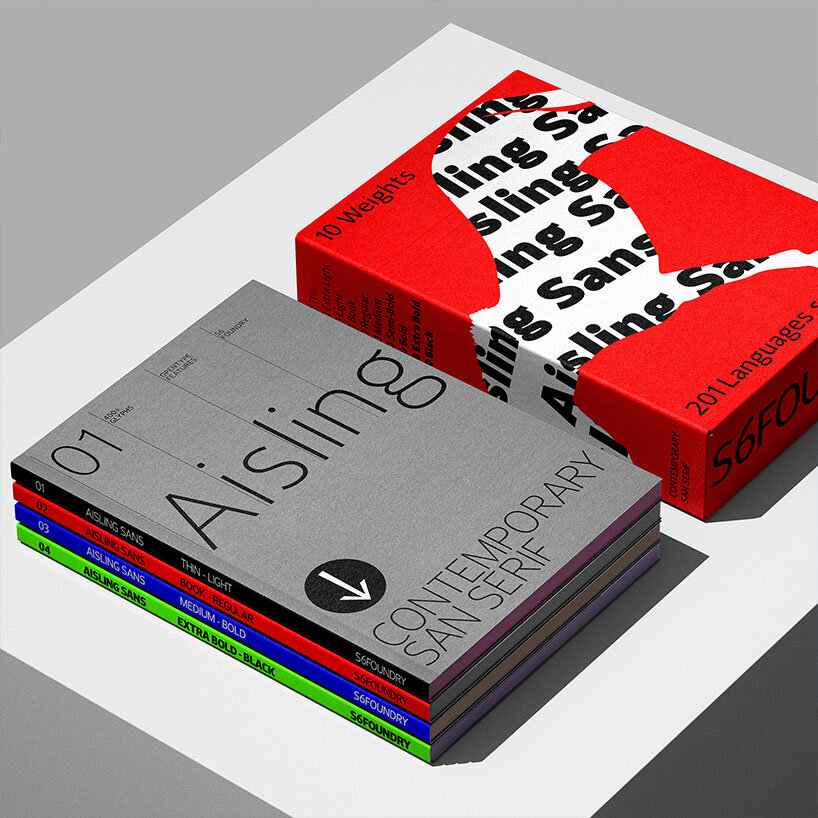
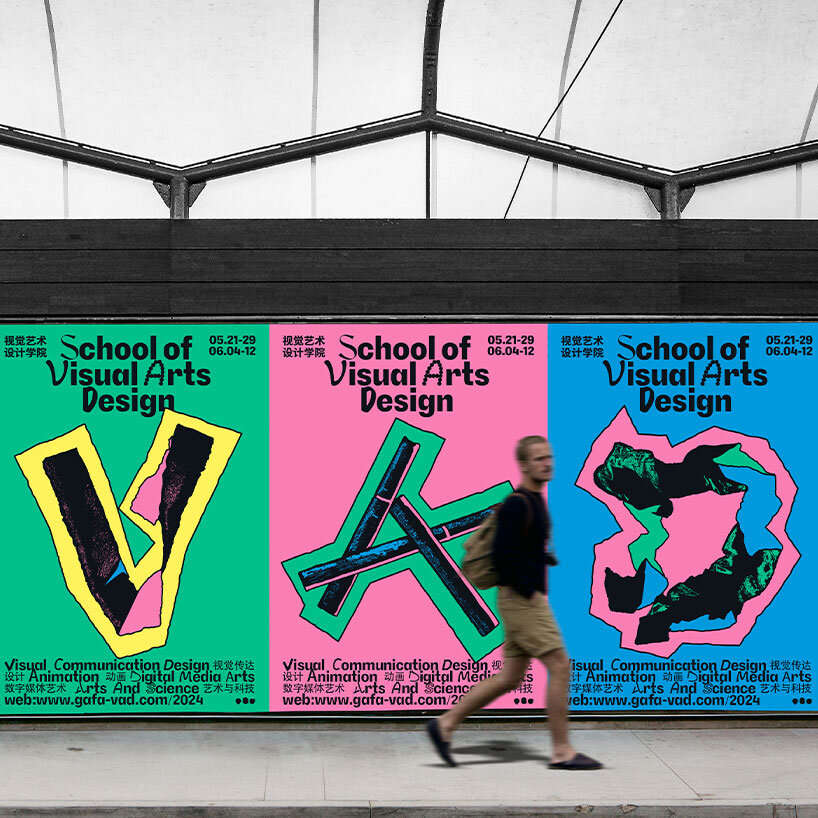
Among the standout projects recognized in the graphics, illustration, and visual communication design categories is the striking work by Shi Chun Sheng, who earned a Gold award for the Guangzhou Academy of Arts project. The piece exemplifies how traditional artistic excellence and contemporary visual identity can merge to create a powerful presence. Similarly, Paul Robb captured a Gold award in the same category for Aisling Sans, demonstrating exceptional precision, typographic nuance, and functional versatility that appeals to modern digital and print environments alike.

The scope of the A’ Design Award extends far beyond traditional print or digital graphics, encompassing more than 100 distinct categories that evaluate concepts based on originality, technical execution, and meaningful purpose. Entries are meticulously reviewed by a grand international jury comprising prominent industry experts, experienced scholars, respected press representatives, and influential business leaders. This rigorous evaluation benchmark ensures that only projects demonstrating the highest standards of design excellence are selected for recognition.
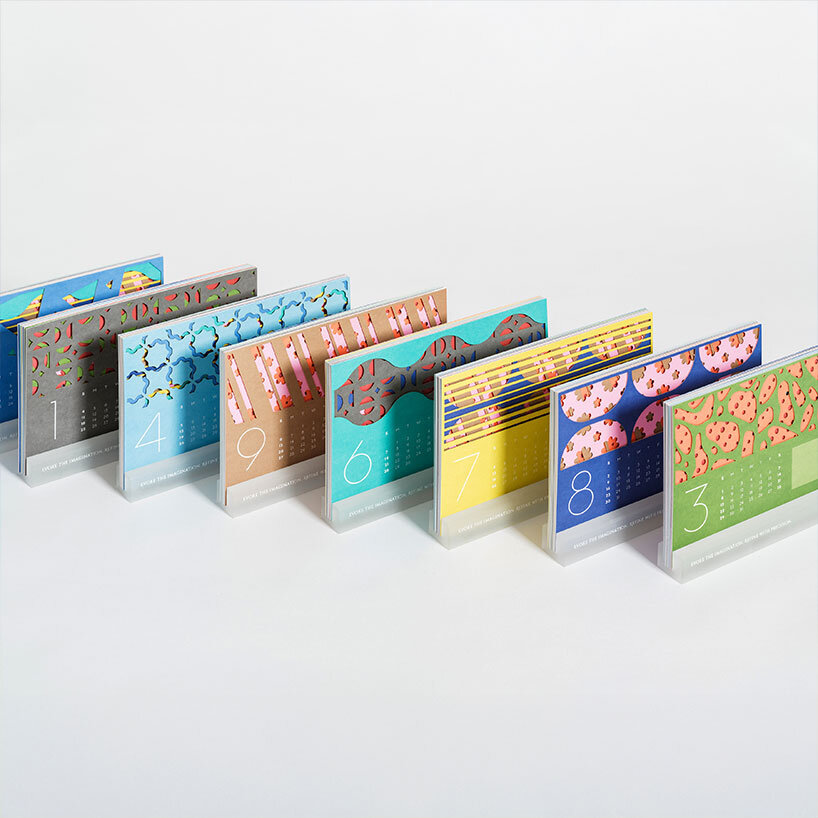
Winners of the competition are awarded the comprehensive A’ Design Prize, a robust package designed to elevate the profiles of successful creatives on the global stage. This coveted prize includes an official certificate, a physical trophy symbolizing their achievement, inclusion in the annual collector’s edition yearbook, and extensive international exposure through targeted press outreach and the exclusive winner logo. Additionally, distinguished entrants are invited to display their physical or digital works at a global exhibition and celebrate their milestones alongside peers at a gala ceremony held in Italy.
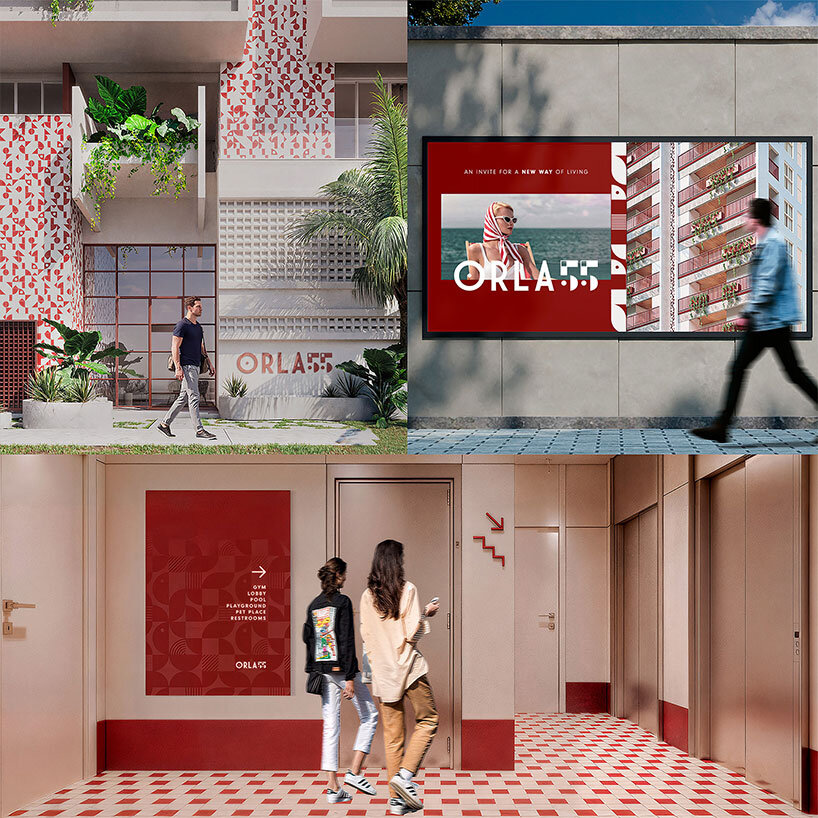
The diversity of the awarded works highlights the multidisciplinary nature of contemporary design. In the realm of spatial and structural graphics, Jiayi Lu secured a Bronze award for the Suzhou Bay Grand Theatre, a project that skillfully translates architectural grandeur into compelling visual communication. Meanwhile, silver-tier recognition was awarded to the Usee Advertising Company for Time Slide, a project that cleverly manipulates visual perception and narrative pacing, as well as to Jesmynny Morais for Orla 55, which captures the vibrant essence of its subject through sophisticated graphical execution.
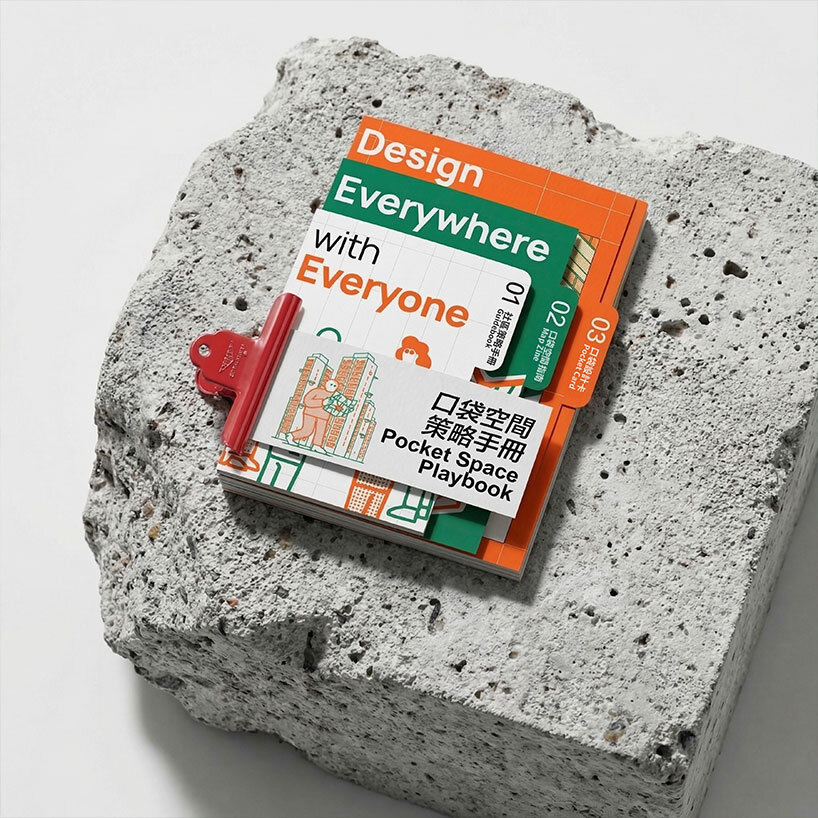
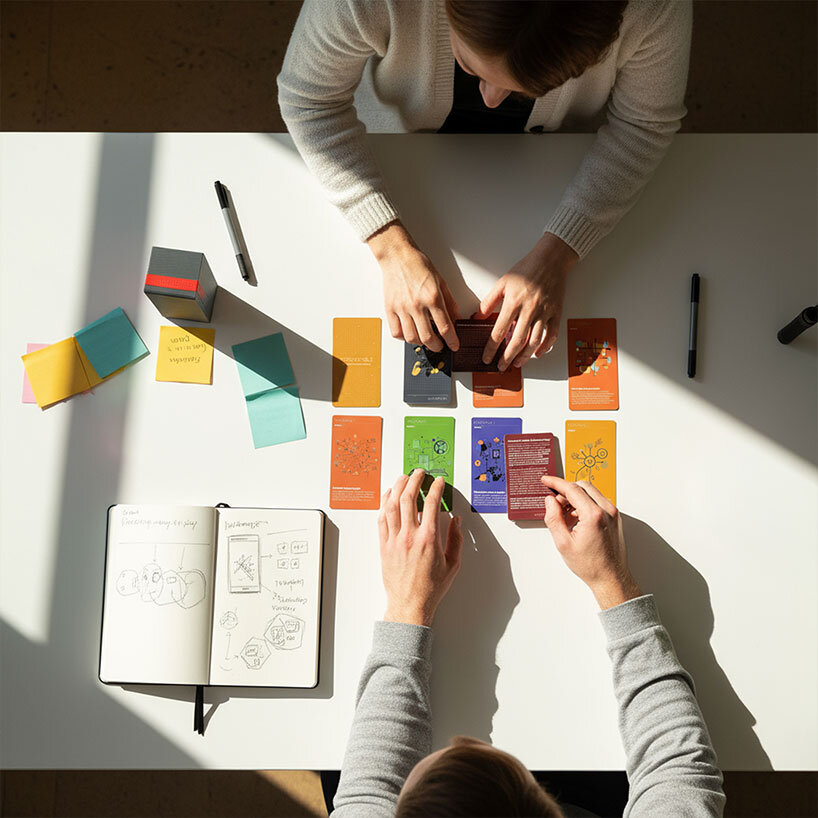
Social impact remains a cornerstone of the award’s mission, proving that design can be a powerful catalyst for community engagement and positive change. Lee Ngai Man, alongside collaborators Pak Hei Wang, Hiu Man Chiu, Julytha Nga Suet Ho, and Kai Yin Lin, earned a Gold award in the Social Design category for the Pocket Spaces Social Playbook. This innovative project provides a structured framework for urban interaction, demonstrating how graphic and interactive tools can transform public perception and community involvement.
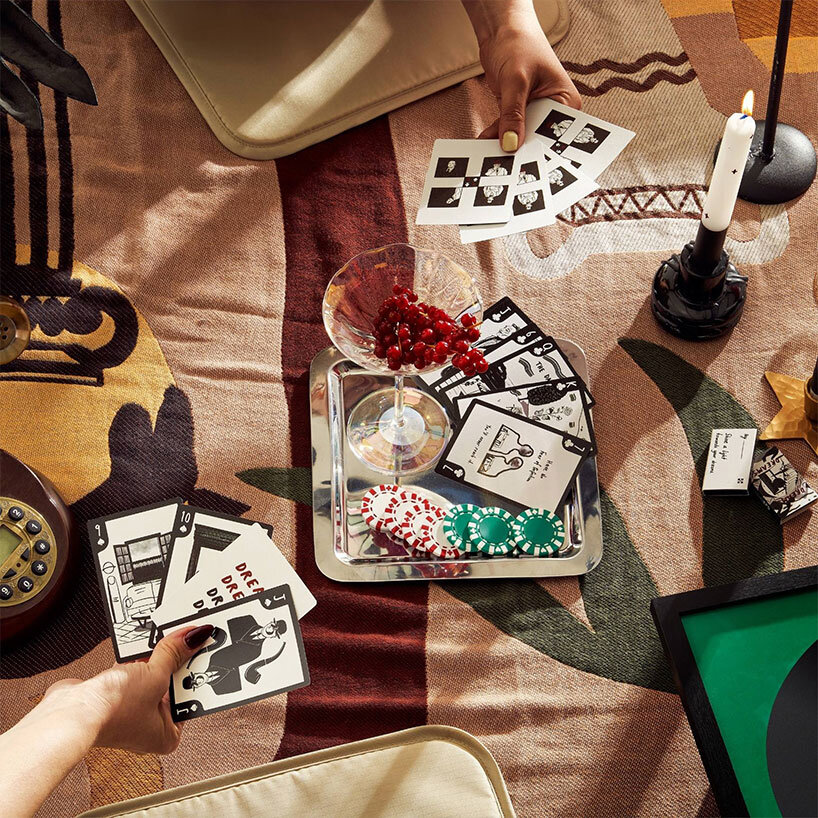
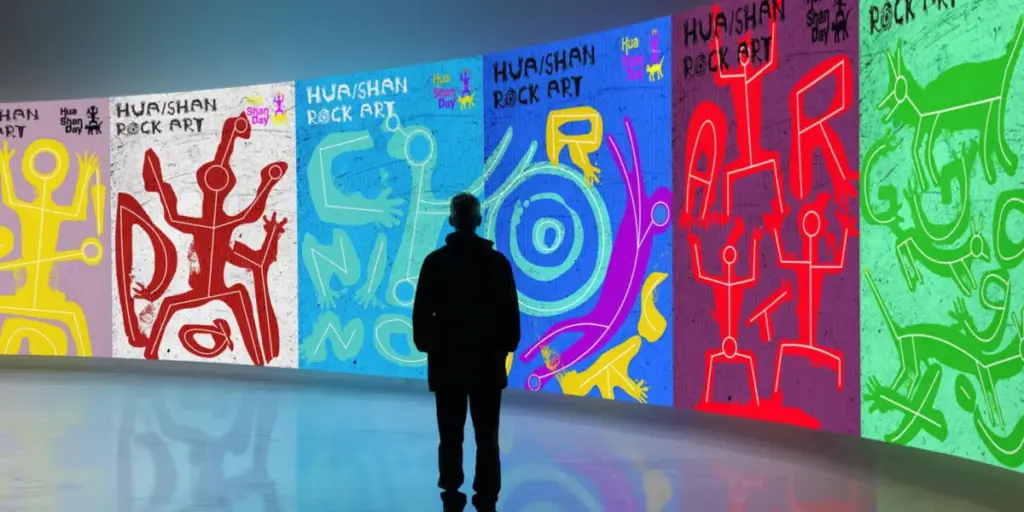
In the realm of hobby and interactive products, Efsane Selin Erdogan was awarded Bronze in the Toys, Games, and Hobby Products Design category for Dreams, a playing card project that merges imaginative illustration with tactile play. Further graphic and visual communication triumphs include Hua Shanday, designed by Chen Zilong, Huang Yan, and Zhu Xuguan, which secured a Bronze award. Architectural and spatial graphic sensibilities were also celebrated, notably through Lisa Winstanley’s Silver-winning project Devil, which showcases a bold and distinct visual language.
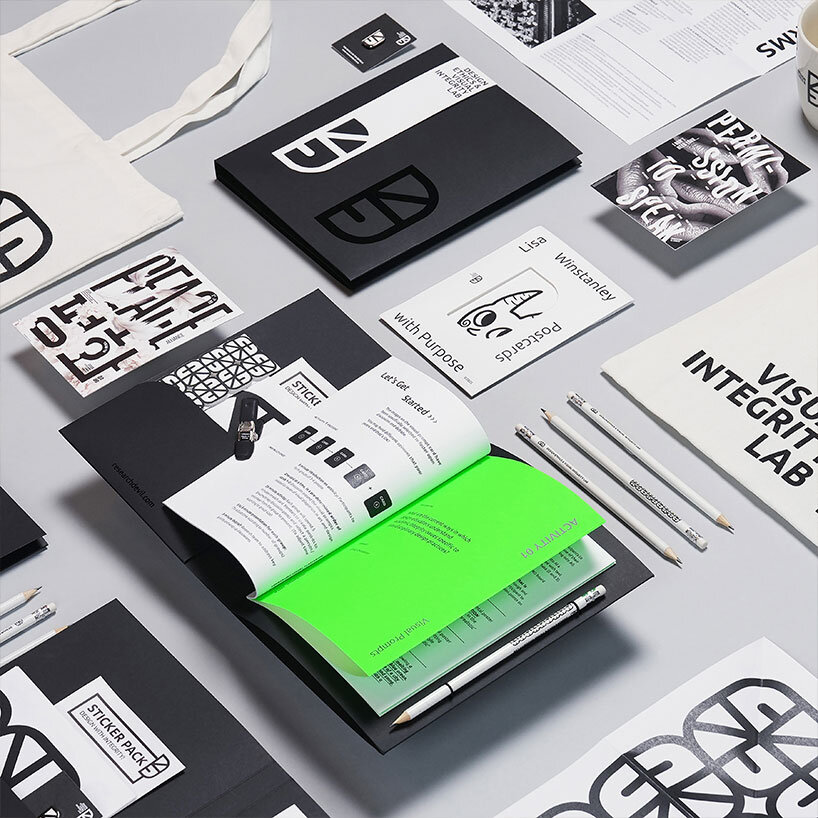
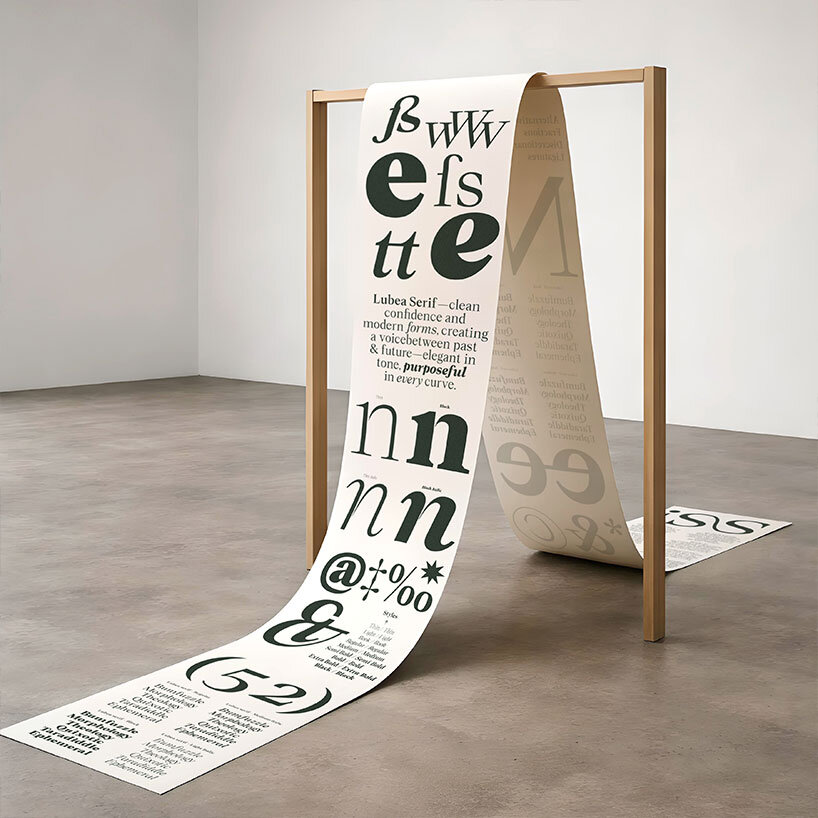
Typography and type design continue to be heavily represented among the winners, with Paul Robb earning further recognition through Lubea Serif, which received a Bronze award, and Paraid Sans, which also claimed Bronze. These typographic systems emphasize legibility, aesthetic beauty, and adaptability across various media. Additional graphic projects such as Designable by Bruno Oro, Dotline Corporate Identity by Tomohiro Kaji—which earned a Gold award—New Chinese Style by Pan HS, Zhong MM, and Wang Xh, 94Hilook by Eason Liu and Elvis ku, Jiangnan Collection by Rui Deng, and Hued by Ibrahim Badri underscore the vast stylistic breadth celebrated by the jury.
Packaging design represents another critical arena where aesthetics meet consumer utility. Bongran Zhao captured a Bronze award in packaging design for Horse Year, a project that infuses cultural heritage with contemporary container design. Similarly, Zhou Jingkuan earned a Silver award for Tao Hua Ji, and Zhu Jinliang, Han Lu, and Lin Huangshan secured a Bronze award for Innovate Depict Inspire, both demonstrating how thoughtful structural and graphic packaging can elevate ordinary products into memorable brand experiences.
With submissions for the upcoming competition cycle officially underway, creatives working across architecture, interior environments, visual identity, industrial manufacturing, and beyond have the opportunity to present their forward-thinking projects to the international jury. By bridging the gap between imaginative storytelling and practical utility, these designers continue to redefine the boundaries of what visual culture can achieve.