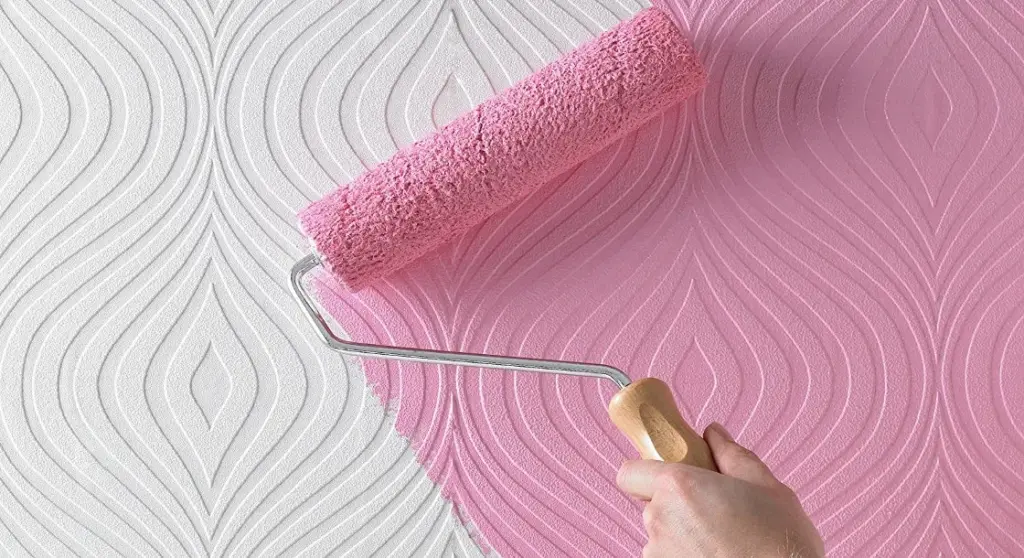
Homeowners looking for a faster route to room revitalization often consider painting directly over existing wallpaper rather than enduring the arduous process of stripping old paper, preparing bare walls, and applying a fresh coat. While skipping the removal phase can save considerable time and effort, industry professionals emphasize that success depends heavily on careful inspection, proper preparation, and understanding the potential pitfalls that can compromise a DIY paint job.
The debate over whether to paint over wallpaper hinges entirely on the current condition of the walls. Before picking up a roller, specialists advise a thorough examination of the existing paper. Ideally, the wallpaper should be in good, stable condition, completely free from rips, tears, or extensive damage. If the paper is severely compromised, tearing, or heavily worn, attempting to paint over it is rarely worthwhile. In such cases, stripping the compromised layers and painting the bare plaster underneath remains the recommended course of action.
Furthermore, painting over wallpaper that is already peeling in multiple areas is strongly discouraged, even if the paper itself is not torn. Widespread peeling typically indicates that the original adhesive paste is failing, which can stem from the use of low-quality materials during the initial installation or ongoing moisture and dampness issues within the room. Applying heavy wet paint to already failing wallpaper accelerates the detachment process, resulting in bubbling, sagging, and a ruined finish.
However, minor issues do not automatically rule out the technique. If peeling is strictly localized to a single, small area, homeowners can often re-anchor the paper using appropriate wallpaper paste before moving forward. This requires careful application to prevent unsightly air bubbles, followed by a patient waiting period to ensure the adhesive dries completely before any paint touches the surface.
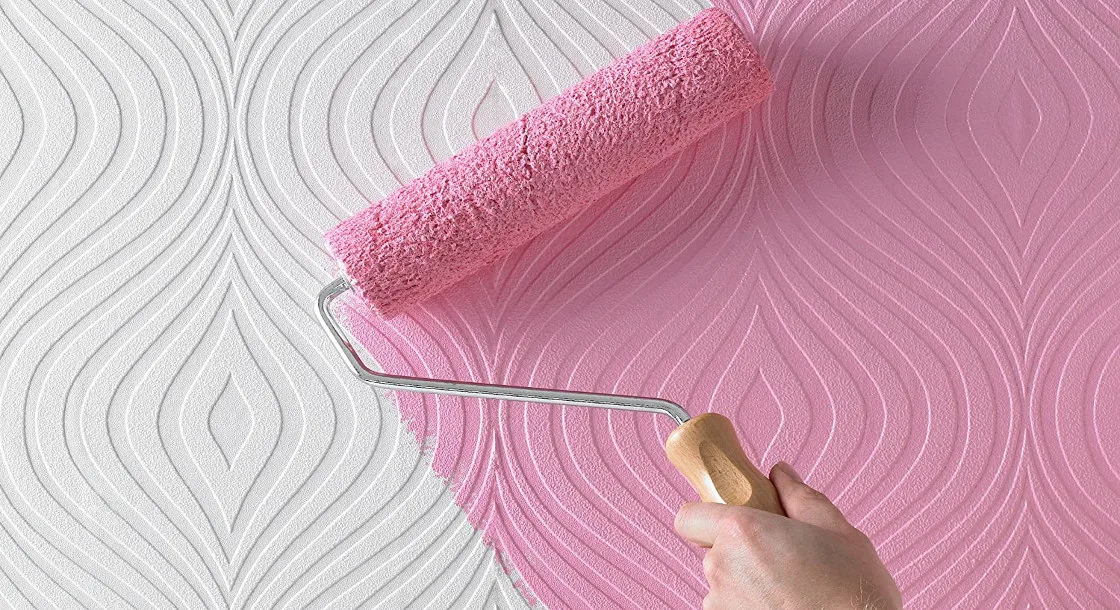
When it comes to the type of wallpaper, plain and flat designs present the most straightforward canvas for a new coat of paint. Textured and patterned papers can still be painted over, but decorators must accept that the underlying texture or embossed patterns will remain visible beneath the new color, adding a distinct dimensional quality to the finished wall.
Preparing Wallpaper for Painting
Once a homeowner has confirmed that the existing wallpaper is stable, clean, and securely adhered, the preparation phase begins. While painting over paper eliminates the need for extensive scraping and wall repair, standard room preparation remains essential. Protecting surrounding surfaces, clearing the workspace, and cleaning the wallpaper to remove dust, grease, or accumulated grime ensures that subsequent layers will adhere properly.
Priming Wallpaper for Painting
Skipping the priming stage is one of the most common mistakes made during wallpaper-painting projects. Even when dealing with light-colored or unpatterned paper, experts strongly recommend applying at least one coat of primer. A proper primer creates a stable foundation, ensures an even and clean finish when the topcoat is applied, and helps mask any underlying patterns or colors that might otherwise bleed through.
A critical technical consideration during this phase involves the choice of primer. Water-based primers can easily penetrate porous wallpaper, excessive moisture reactivating the old paste and causing the paper to bubble, loosen, or detach entirely. To prevent this, professionals advise using an oil-based primer or a specialized moisture-blocking sealer designed specifically to prepare wallpapered surfaces without compromising the underlying adhesive. Applying one to two coats and allowing ample drying time creates a durable barrier for the upcoming paint layers.

How to Paint Over Wallpaper
With the primer fully dried and cured, homeowners can select their preferred topcoat color and begin the transformation of the room. Using standard painting techniques with brushes and rollers, the topcoat should be applied evenly across the primed surface, working systematically to achieve a uniform finish. Depending on the color and coverage of the paint, a second coat may be necessary once the first has dried completely.
Problems With Painting on Top of Wallpaper
Even with meticulous planning and thorough preparation, certain challenges can emerge when painting over wallpaper. Anticipating these issues allows homeowners to address them swiftly before they permanently impact the appearance of the room.
Gaps Between Wallpaper Strips
One of the most frequent aesthetic issues encountered after painting is the appearance of thin gaps between strips of wallpaper. As wallpaper dries and ages following its initial application, it can occasionally shrink slightly, creating narrow fissures between adjacent sheets. While this shrinkage might go largely unnoticed on patterned paper, applying a solid coat of paint often highlights these gaps, drawing unwanted attention to the seams.
Fortunately, this problem can be managed without stripping the entire wall, provided the surrounding wallpaper remains sound and firmly affixed. Homeowners can utilize a small amount of fine filler to bridge and conceal the gaps between the sheets. Experts emphasize that this corrective step should be performed after the primer coats have been applied. Once the filler has set completely, it must be meticulously sanded down so it sits flush and level with the surrounding paper. Any raised filler or uneven spots will become glaringly obvious once the final topcoat is applied, making patience and precision during the sanding process vital for a professional-looking result.