The global art market is experiencing a period of intense activity, marked by significant institutional leadership changes, high-profile personal divestments, and the continued intersection of pop culture with traditional curatorial spaces. As the autumn season gains momentum, the industry is grappling with both the loss of cultural heritage through theft and the celebration of new cross-cultural dialogues.
In the Spotlight: Jeff Koons and the Shifting Landscape of Private Collections
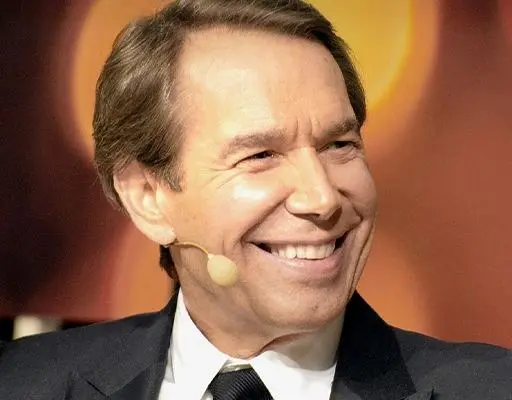
In a move that has captured the attention of the global art market, American artist Jeff Koons has announced the sale of a substantial portion of his personal art collection. The trove, valued at approximately $100 million, is slated to be offered through Christie’s this fall. The collection is notable for its eclectic range, reflecting a buying spree that Koons undertook during the late 2000s. Among the highlights are works spanning the Dutch Golden Age, as well as significant pieces by modern masters such as Pablo Picasso and Édouard Manet. This divestment offers a rare glimpse into the private aesthetic sensibilities of one of the world’s most recognizable living artists, whose own work has long dominated auction houses and museum exhibitions worldwide.
While the market prepares for this high-profile sale, the darker side of art ownership has resurfaced in France. Authorities are investigating a shocking heist involving a monumental work by Salvador Dalí. Thieves managed to abscond with the "Livre de l’Apocalypse," a 330-pound bronze book cover designed by the surrealist master. The volume, considered a collaborative masterpiece involving 14 artists and writers, represents one of the heaviest and most expensive books ever created. The brazen nature of the theft has sent shockwaves through the art preservation community, highlighting the ongoing vulnerabilities faced by unique, large-scale cultural objects.
In a stark contrast to the news of theft and high-value sales, the intersection of music and visual art is finding a massive audience at the San Francisco Museum of Modern Art (SFMoMA). The museum has debuted an exhibition curated by RM, the globally renowned K-pop star and member of BTS. The exhibition, which focuses on Korean art, has proven to be a resounding success before even opening its doors to the general public; the museum reports that 50,000 tickets have already been reserved, underscoring the powerful influence of contemporary cultural icons in driving engagement with traditional art forms.
Institutional Evolution: Museums and Foundations Expand Their Reach
The institutional sector is undergoing a period of significant strategic realignment. A major collaborative effort has been announced between two of Europe’s most prestigious institutions: the Rijksmuseum in Amsterdam and the Museo Nacional del Prado in Madrid. This new research partnership is designed to deepen the academic understanding of the role of women in art and history. The collaboration is set to span several years, featuring a specialized fellowship program and culminating in a landmark exhibition planned for 2029, promising to reshape historical narratives surrounding female artistic contributions.
In London, the Zaha Hadid Foundation (ZHF) is preparing to open a new cultural space within the late architect’s former headquarters. The transformation of the site into a public-facing venue represents a significant effort to preserve the legacy of Hadid, whose revolutionary approach to architecture redefined the 21st-century urban landscape. The space is scheduled to welcome visitors starting October 29, offering the public a deeper look into the archives and creative process of one of the most influential figures in modern design.
Philanthropic support also continues to play a vital role in institutional growth. The Phoenix Art Museum in Arizona has announced a $5 million donation from philanthropist Sukumar Nagendran. The funds are earmarked for the expansion of the museum’s Sri Lankan and South Asian art galleries, a move that will allow the institution to provide a more comprehensive representation of these regions’ rich artistic traditions and historical contexts.
Leadership transitions are further shaping the institutional landscape. The Louvre Abu Dhabi has appointed Souraya Noujaim as its new director. Noujaim is well-acquainted with the institution’s inner workings, having previously served as the museum’s director of scientific, curatorial, and collections management. Her appointment signals a commitment to continuity and long-term strategic vision for the museum as it continues to solidify its place as a cornerstone of the Middle Eastern art scene.
In Asia, the arts sector is seeing a similar transition of leadership. Philip Tinari, who had been serving as the "head of art" at Tai Kwun since January, has been officially named the director of Tai Kwun Arts. His appointment is widely viewed as a pivotal move for the organization as it navigates its role as a leading contemporary art hub in Hong Kong.
Market Surprises and International Outlooks
The unpredictable nature of the art market was on full display this week with the story of a Gertrude Abercrombie painting. The work, which was acquired for a mere $30 at an estate sale in Kalamazoo, Michigan, became the subject of an intense bidding war that eventually saw the piece sell for $1.35 million. The auction house involved noted that the buyer’s keen eye effectively saved the piece from being lost to obscurity, highlighting the enduring potential for significant discoveries in unexpected places.
As the industry looks toward the future of global contemporary art, the New Museum in New York has unveiled the list of artists participating in its 2027 Triennial. The upcoming exhibition will feature 36 artists and collectives hailing from 34 different nations. This edition is being billed as the most internationally focused in the history of the Triennial, reflecting a broader effort by major institutions to move away from Western-centric narratives and embrace a more global, polyphonic approach to contemporary art practice.
These developments—ranging from the high-stakes liquidation of private collections to the grassroots success of celebrity-curated shows and the ongoing preservation efforts of major museums—illustrate a multifaceted industry in constant motion. As the art world navigates the challenges of security, funding, and the need for more inclusive narratives, it remains a space where historical legacy and contemporary relevance are continuously negotiated. Through these various initiatives, the institutions and individuals involved are not only responding to current trends but are also actively shaping the future of how art is valued, displayed, and protected on the global stage.