When it comes to property boundaries and garden enclosures, the foundation is everything. Property owners undertaking landscaping or property improvement projects frequently weigh the methods available for installing wooden boundary structures. Among the primary choices, setting fence posts directly in concrete continues to emerge as the definitive method for achieving long-term strength, structural integrity, and resilience against environmental pressures.
While alternative installation methods, such as metal post spikes, offer speed and convenience, industry standards point toward concrete as the superior option for a firm footing. This is particularly true in areas characterized by light, shifting soils where alternative supports can easily lose their grip under lateral wind loads. However, opting for a concrete installation requires patience, as it inherently adds several days to the overall completion timeline of a property project to allow the binding material to properly cure and achieve maximum strength.
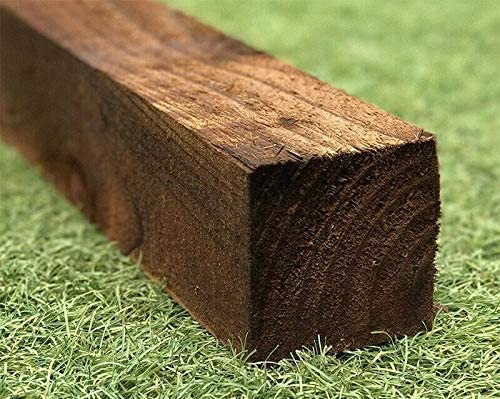
The process of building a resilient wooden fence begins long before any digging commences, starting with the careful selection and preparation of the timber itself. Experts recommend investing in pressure-treated timber to maximize the lifespan of both the individual posts and the fence as a whole. For those prioritizing ultimate longevity, selecting posts crafted from heartwood rather than sapwood provides enhanced natural durability, though property owners must factor in the higher associated material costs for this premium grade of timber.

Dimensions also play a critical role in the engineering of a sturdy boundary. Standard guidelines dictate that if a finished fence is designed to stand six feet high, the supporting posts must be sized accordingly to account for the portion buried underground. Specifically, posts should be at least twenty-five percent longer than the above-ground height, bringing a standard residential post requirement to approximately eight feet.
Regardless of the timber grade chosen, preventative maintenance before installation is vital to combat the natural decay process. Moisture in the ground poses a constant threat to buried wood, making it essential to apply a generous coat of wood preservative to the lower section of the post that will reside below the surface line. Allowing this protective coating to dry thoroughly before installation creates a critical barrier against rot. Many property owners also choose to treat the bottom edges of adjoining fence panels simultaneously to ensure comprehensive protection across the entire wooden structure.
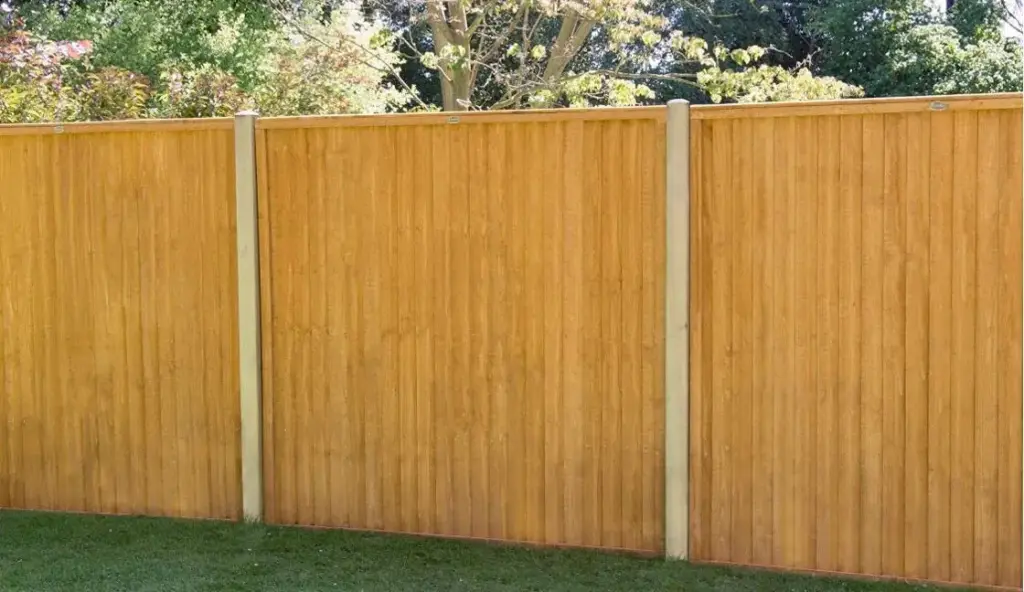
Once the timber has been properly selected and treated, the focus shifts to the physical layout and excavation of the site. The precise spacing between the excavated holes is rarely arbitrary; rather, it is dictated by the exact dimensions of the chosen fence panels, which typically measure six feet in width. Careful and accurate measurement of the panels before breaking ground ensures that the excavated post holes align perfectly with the manufactured components, preventing structural tension or alignment issues later in the build.
When the time arrives to anchor the posts, the choice of binding material comes down to scale and convenience. Builders generally choose between two primary approaches: utilizing commercially available pre-mixed post concrete or blending raw components independently. For minor repairs or projects involving only one or two posts, ready-mixed products offer unmatched convenience and reduce preparation time. Conversely, larger perimeter projects with numerous post holes often justify the effort of mixing raw materials in larger quantities to maintain project momentum and cost efficiency.
For those mixing their own foundation material, adherence to traditional aggregate ratios ensures optimal structural support. A standard mixture typically involves one part cement, two parts sand, and three parts aggregate. Maintaining a relatively dry consistency is crucial during this mixing phase. Contrary to what some beginners might assume, a excessively wet mixture fails to support and stabilize the vertical alignment of the timber posts as effectively as a stiffer, drier blend during the critical hardening phase.
The actual setting process requires a delicate balance of careful alignment and timely execution, ideally aided by an extra pair of hands to stabilize the timber and manage the materials. Maintaining absolute vertical alignment using a spirit level during the pouring process ensures the finished boundary remains plumb and visually uniform. Because concrete requires an uninterrupted curing period to reach its designed load-bearing capacity, patience remains an essential tool for any builder utilizing this method. Allowing adequate time for the foundation to set without premature stress from attached panels guarantees that the structural investment will withstand weathering, wind, and the test of time.