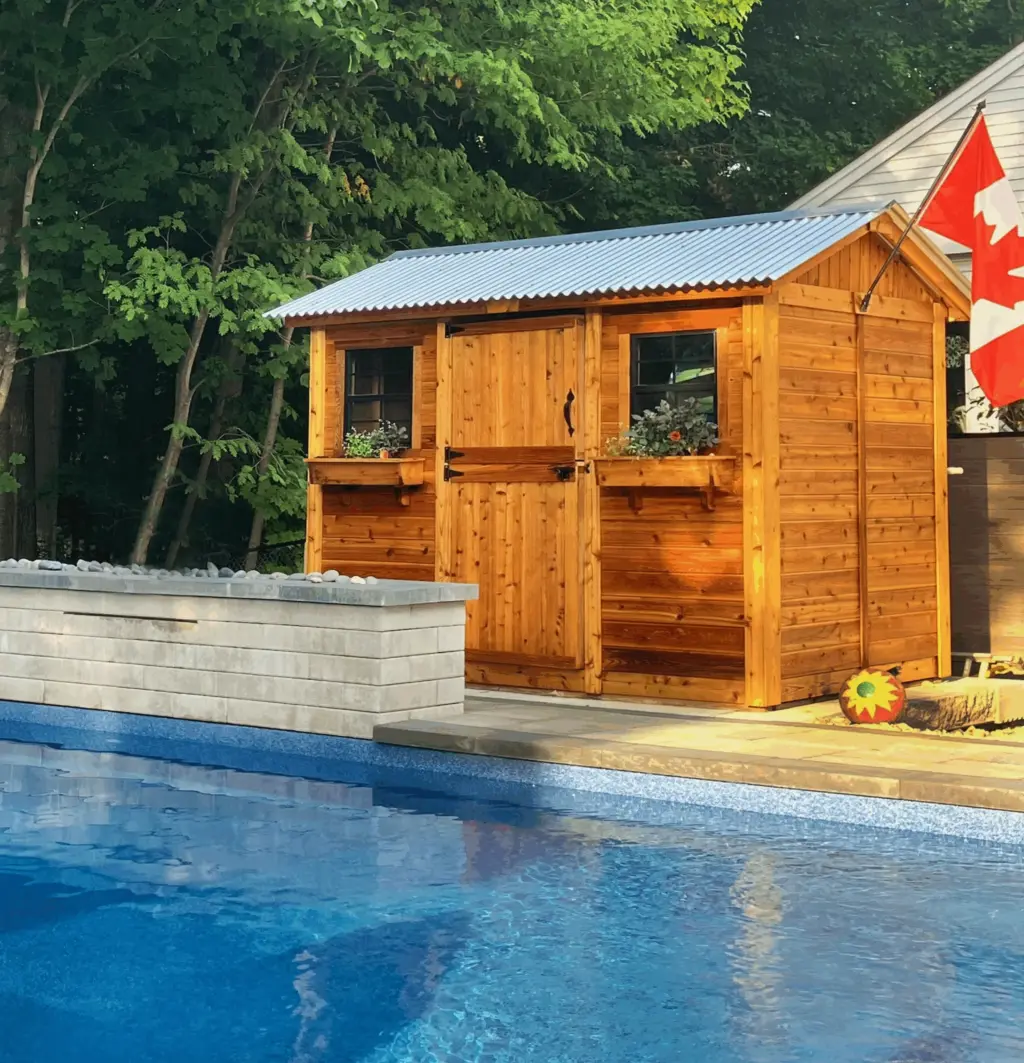
For generations, the backyard garden shed has served a singular, utilitarian purpose: a dusty outbuilding relegated to housing lawnmowers, bags of potting soil, stray flowerpots, and rusted garden tools. It was a space designed strictly for containment, hidden away in the corner of the yard and rarely visited unless a seasonal chore demanded it. However, a growing trend among homeowners is redefining the architecture of the traditional backyard, transforming these humble structures into sophisticated extensions of the primary residence. By leveraging the natural beauty, durability, and versatility of Western Red Cedar, property owners are finding that the humble garden shed can easily double as a stylish, functional living area.

Modern homeowners are increasingly feeling the squeeze of residential space constraints. With remote work becoming a permanent fixture for millions, households juggling multiple digital workers, energetic children, and daily domestic distractions often find their living rooms and kitchen tables transformed into makeshift offices. At the same time, the desire for dedicated personal sanctuaries, creative studios, and specialized entertainment zones has reached an all-time high. Rather than undertaking expensive, disruptive home additions or navigating the complexities of traditional real estate expansions, many are looking directly out their back windows.
Industry observers note that Western Red Cedar has emerged as the foundational material of choice for these architectural transformations. Handcrafted structures—ranging from compact backyard studios to expansive models—offer a robust and aesthetically pleasing canvas. Because cedar contains natural oils that provide inherent resistance to decay, moisture, and insect damage, it stands up remarkably well to changing weather patterns without requiring immediate, heavy-handed chemical treatments. This natural resilience makes it an ideal medium not just for holding tools, but for housing insulation, electrical wiring, fine finishes, and delicate interior furnishings.
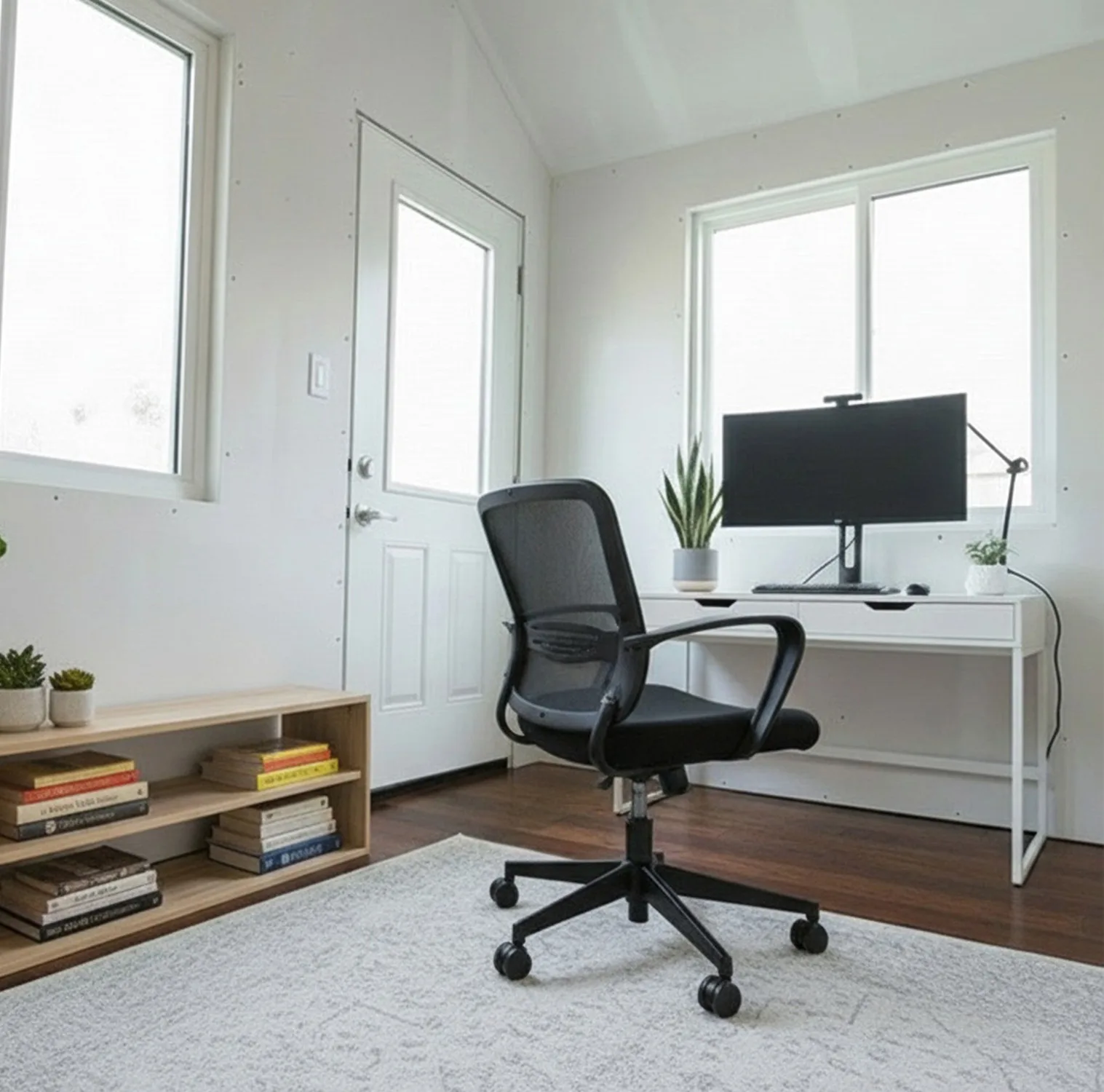
Among the most prominent adaptations driving this backyard revolution is the dedicated backyard office. Working from home frequently comes hand-in-hand with persistent household interruptions, ranging from ringing doorbells and television noise to the constant temptation of the nearby refrigerator. Establishing a separate workspace located entirely outside the physical boundaries of the main house introduces a vital psychological and physical barrier between professional responsibilities and domestic life.
When insulated, wired for electricity, and finished with personalized interior decor, a cedar shed office creates a serene, focused environment. The warm tones and natural grain of the timber interior contribute to a calming atmosphere that fosters concentration. Rather than carving out a cramped corner in a busy bedroom, professionals are stepping across their lawns into dedicated architectural suites that offer both privacy and inspiring views of the garden, ultimately improving daily work-life balance and productivity.
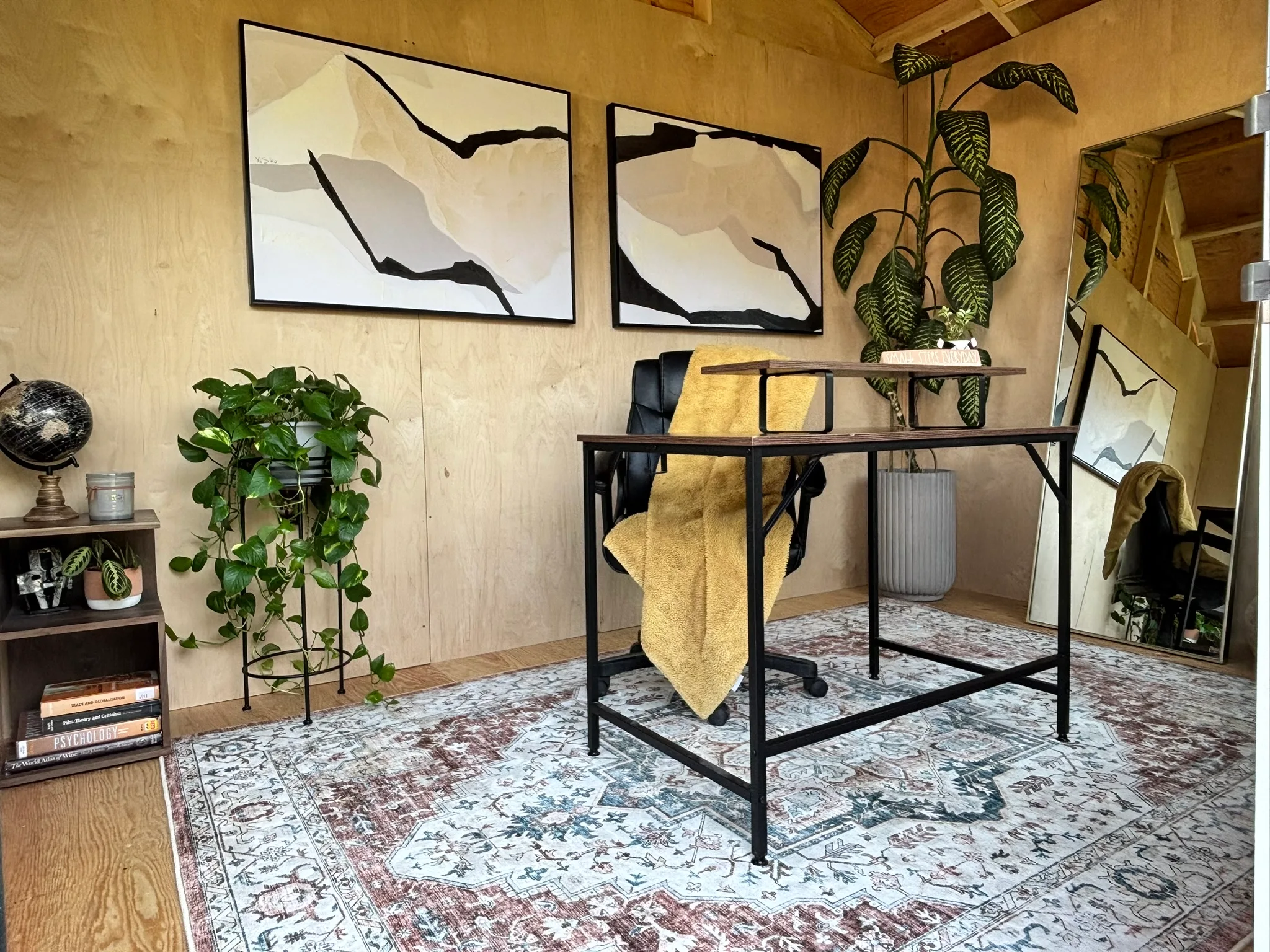
Beyond professional pursuits, the traditional shed is undergoing a radical reimagining as a personalized recreational retreat. Often playfully categorized in broader cultural conversations as modern takes on the "she shed," the "man cave," or the family recreation room, these customizable structures provide a much-needed escape when the main house feels crowded. For adults seeking a quiet space to read after dinner, pursue hobbies in uninterrupted peace, or watch sporting events without disrupting family routines, a backyard hideaway offers an ideal solution. The structural flexibility of these cedar buildings allows them to accommodate everything from comfortable lounging furniture and bookshelves to entertainment systems and hobby benches.
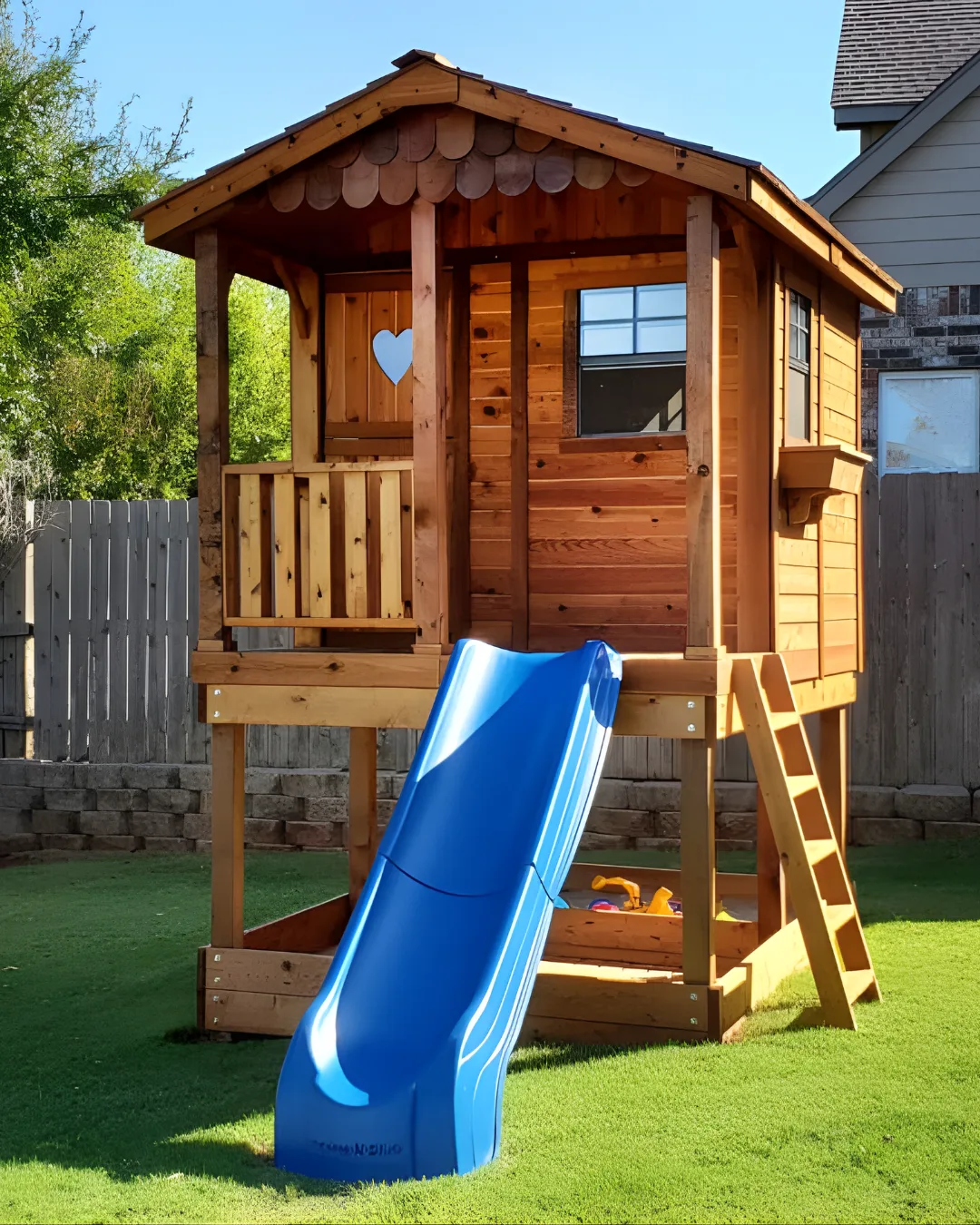
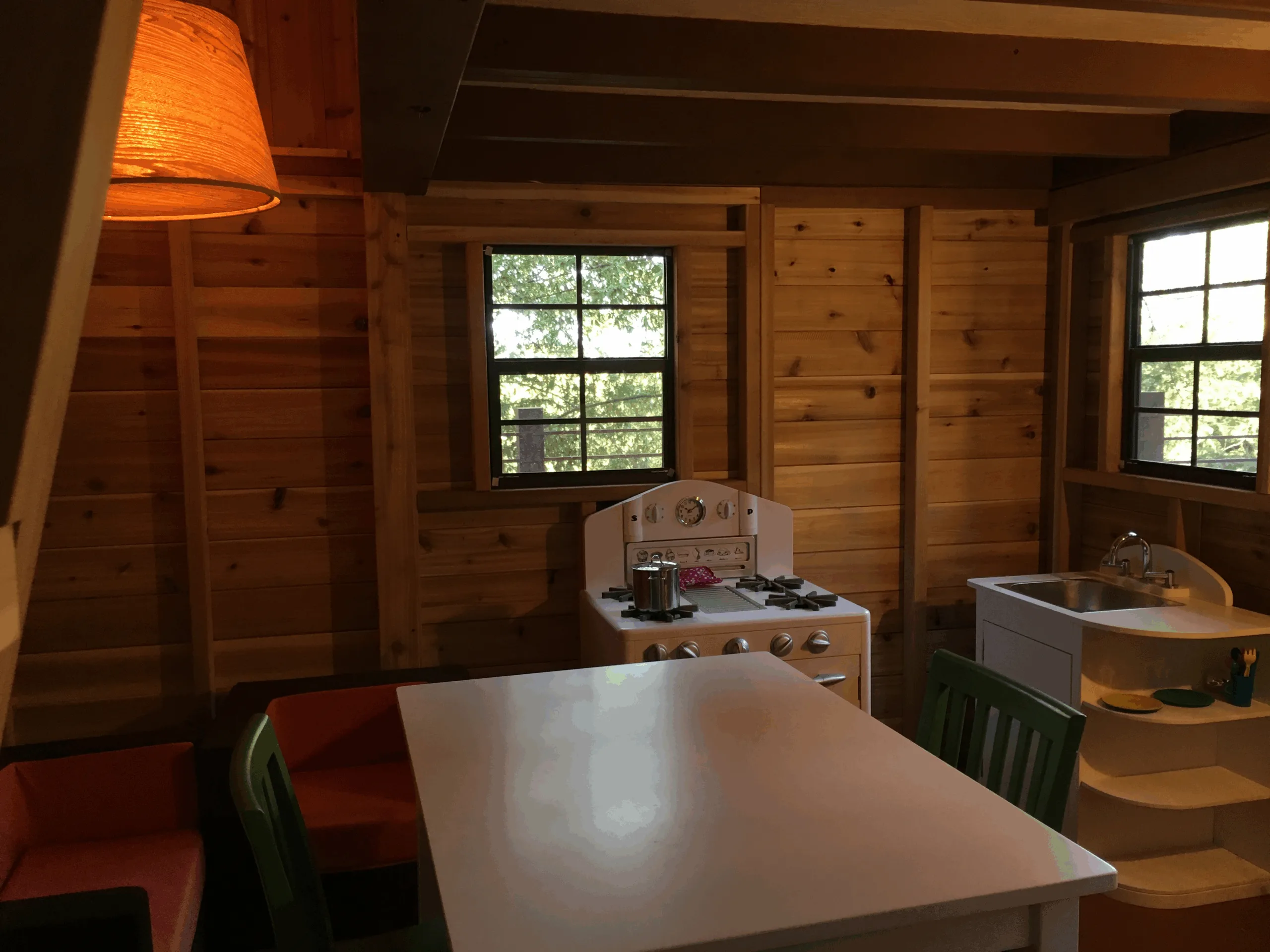
Families are also discovering the benefits of converting these versatile wooden structures into dedicated play spaces for children. Rather than leaving plastic toys scattered across living areas or taking over communal spaces, parents are outfitting cedar buildings with durable flooring, low cabinetry, and child-friendly storage solutions. Because the natural properties of Western Red Cedar ensure a safe, long-lasting environment protected from environmental wear, these playhouses can easily grow alongside the children who use them. With proper insulation and climate control, a backyard playhouse transitions effortlessly into a year-round haven for art projects, reading, and imaginative play.
For those who view entertaining as a central part of their lifestyle, the backyard shed is increasingly serving as an outdoor bar or specialized kitchen station. During peak barbecue season and warm-weather gatherings, hosting guests can often lead to constant, exhausting trips back and forth to the main indoor kitchen for supplies, glassware, and ingredients. By outfitting a cedar shed with a service counter, a compact refrigeration unit, and shelving for entertaining essentials, hosts can create a self-contained hub for outdoor hospitality. Architectural modifications, such as extended roof overhangs, allow for shaded outdoor seating and serving areas, turning a simple backyard outbuilding into the centerpiece of neighborhood social events.
Similarly, properties featuring swimming pools or backyard hot tubs are adopting cedar structures to function as high-end pool houses. Managing wet guests and swimmers who frequently track water indoors can present a constant challenge for homeowners. A dedicated cedar pool house provides an elegant, highly practical solution by offering guests a private space to change, dry off, and store towels without disrupting the interior of the main residence. The moisture-resistant qualities of Western Red Cedar make it uniquely suited to handle damp environments year after year, while simple interior additions like benches and waterproof flooring create a spa-inspired atmosphere right at the water’s edge.
As more homeowners look to maximize the utility of their properties, the traditional definition of the garden shed continues to evolve. What was once viewed merely as a utilitarian box for seasonal storage is now recognized as a versatile structural foundation capable of adapting to modern lifestyle needs. Whether serving as a quiet professional office, a vibrant children’s play space, or an elaborate outdoor entertainment center, these handcrafted cedar buildings demonstrate that the most valuable square footage a home is missing might actually be found just steps outside the back door.